








Prime Minister’s Adviser on Political Affairs Rana Sanaullah has described the Supreme Court’s decision concerning Imran Khan’s hospital transfer as a merit-based ruling, offering a more conciliatory response as other government figures prepare to challenge parts of the order.
Speaking to reporters outside Parliament, Sanaullah said PTI had taken its case to the appropriate legal forum and the Supreme Court had decided the matter independently on its merits. He added that the government respected the court’s decision.
Sanaullah argued that PTI should have pursued legal remedies earlier instead of relying on political agitation. He said approaching the courts from the beginning could potentially have secured relief sooner and urged the party to respect judicial decisions consistently, including when rulings do not go in its favour.
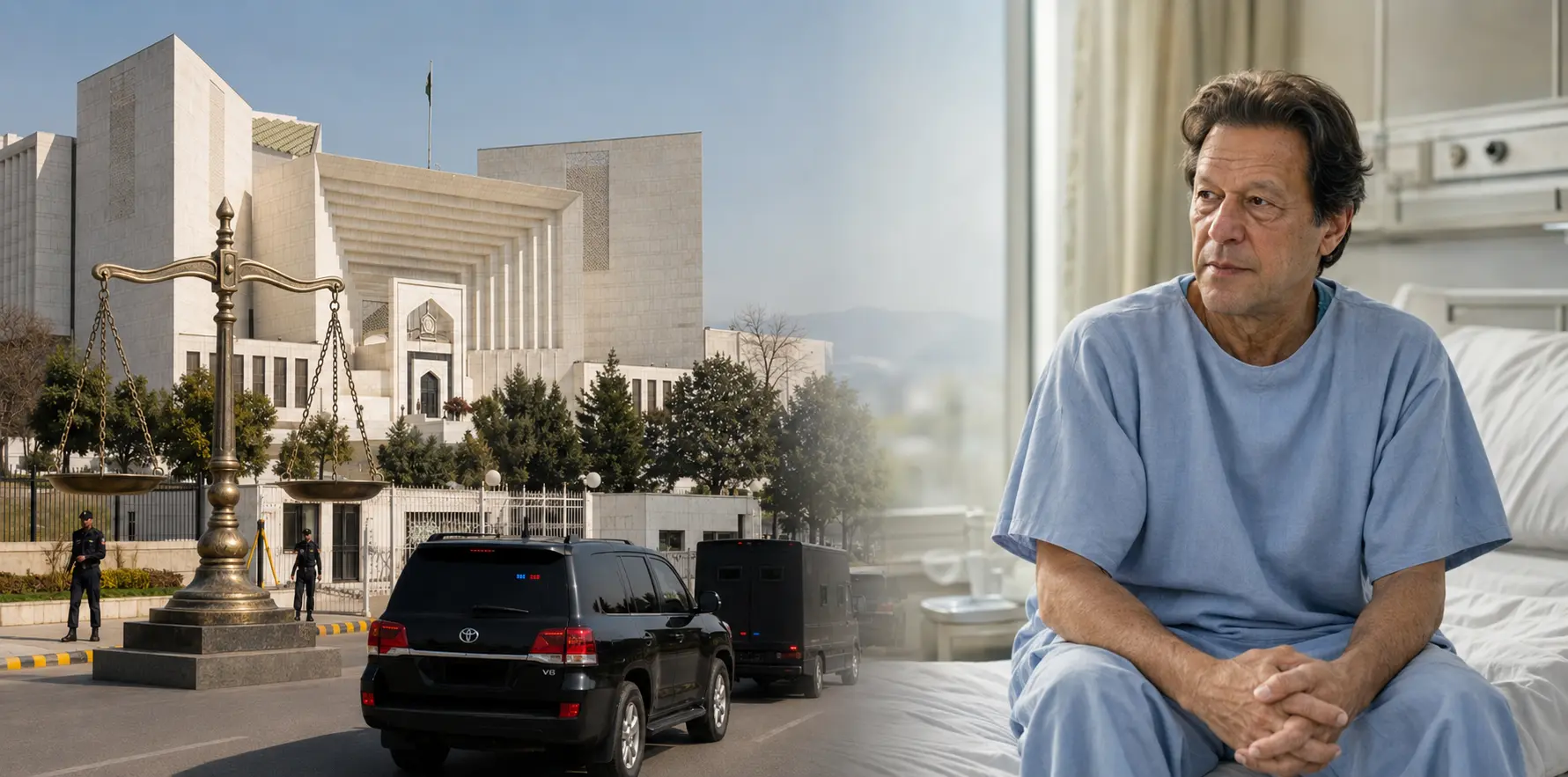
His remarks come after the Supreme Court ordered that Imran Khan be taken from Adiala Jail to Shifa International Hospital for a medical examination within two days. The court acted after considering reports from a medical board and the Adiala jail superintendent.
The ruling has produced differing responses within the federal government.
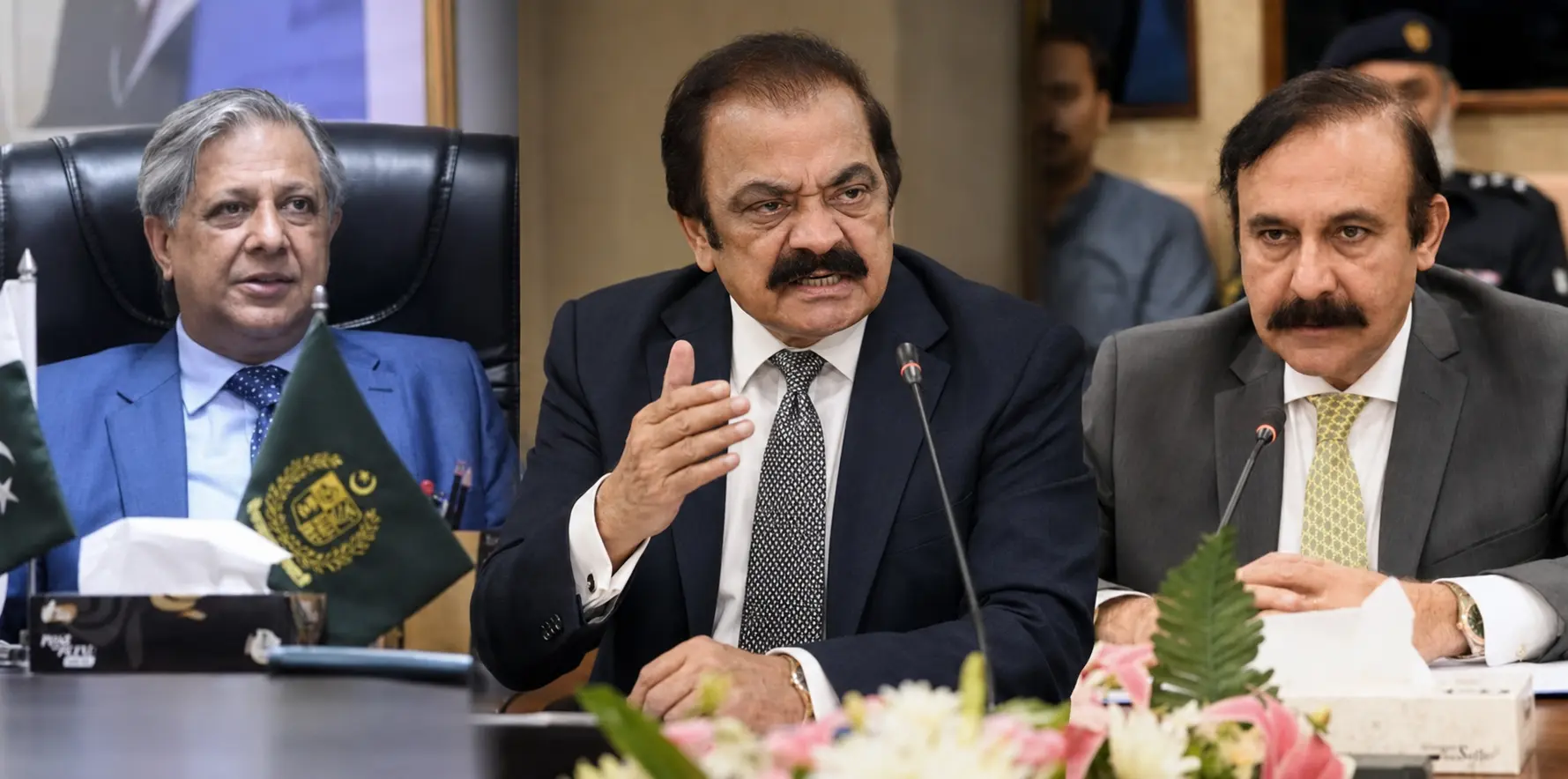
Parliamentary Affairs Minister Tariq Fazal Chaudhry said the decision would be implemented “in letter and spirit” and argued that it reinforced the government’s position that courts were the appropriate forum for addressing Imran Khan’s legal matters. Sanaullah similarly characterised the decision as independent and based on the merits of the case.
Law Minister Azam Nazeer Tarar, however, said the government intends to approach the Supreme Court seeking a review and modification. He questioned the direction to take a convicted prisoner to a private hospital and argued that the examination should instead be conducted at a government tertiary-care facility, with outside specialists included where necessary.
Minister of State for Interior Talal Chaudhry also raised objections to aspects of the ruling, while Defence Minister Khawaja Asif criticised PTI’s reaction to the relief. Both nevertheless supported providing appropriate medical treatment to the former prime minister.
The contrasting statements highlight differences over how the government views the specific hospital-transfer provision, rather than a rejection of Khan’s access to medical care itself.
For now, the Supreme Court’s order remains the operative direction. The government has announced its intention to seek modification, but no revised court order has yet replaced the existing instructions.
Sanaullah’s remarks also reinforce a wider political message from the government: disputes over Imran Khan’s detention and legal relief should be pursued through the judiciary rather than street agitation.