







Shipping through the Strait of Hormuz has fallen back into single digits as renewed military tensions between the United States and Iran collide with tentative signals that Tehran remains open to regional dialogue.
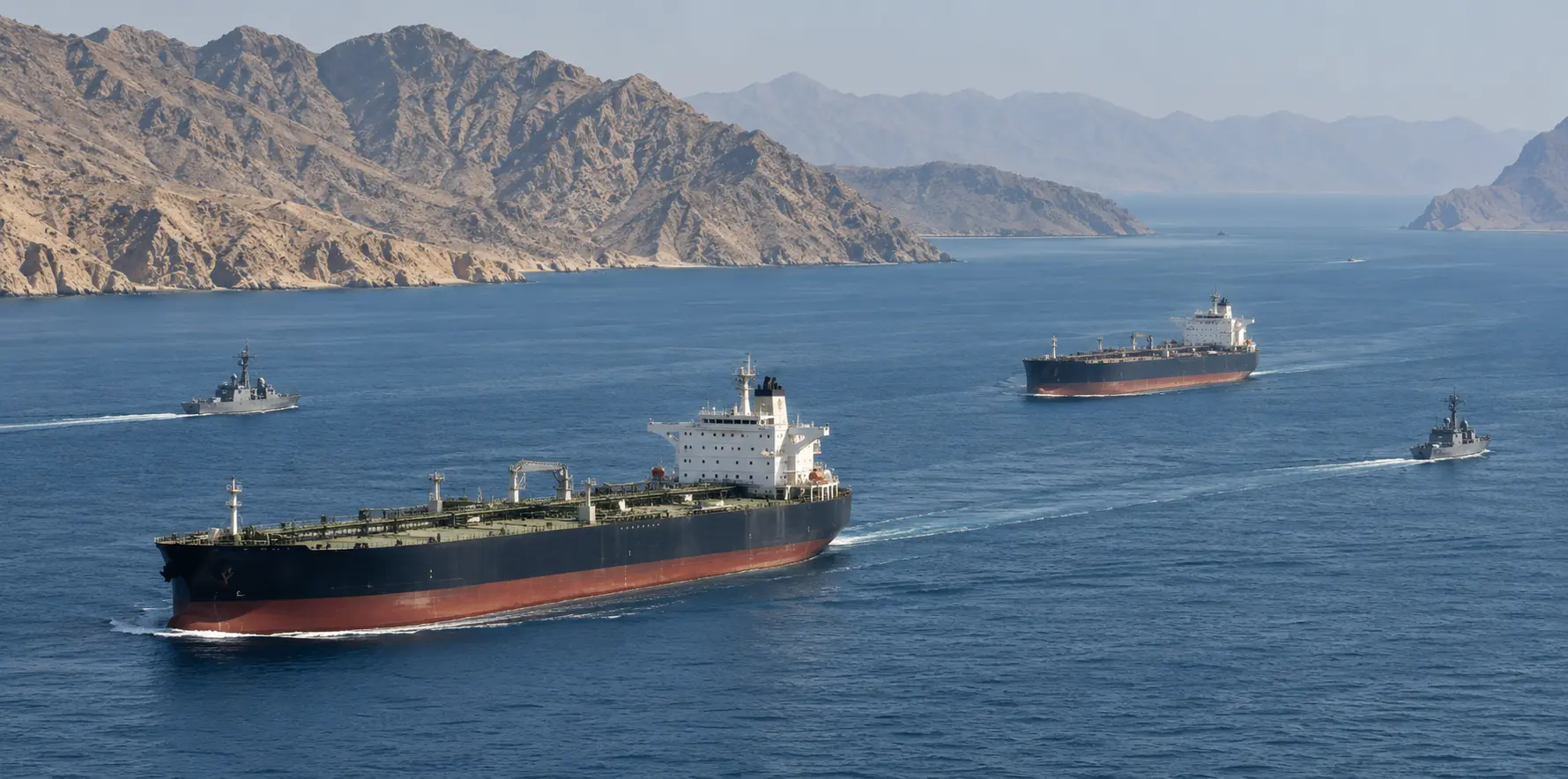
Preliminary ship-tracking data cited by Reuters showed seven vessels transited the strategic waterway on Wednesday, down from 12 a day earlier and well below the recent 10-day average of 14. Of those seven vessels, four were leaving the Gulf and three were entering.
The decline is significant because Hormuz remains one of the most important energy corridors in the world. Restricted traffic through the strait has become one of the clearest economic consequences of the prolonged conflict, affecting shipping confidence and keeping global energy markets sensitive to developments across the Gulf.
The latest figures also underline why reports of individual days with stronger oil flows should not be interpreted as a full normalisation of Hormuz traffic. Vessel movements continue to fluctuate sharply as commercial operators assess military and security risks.
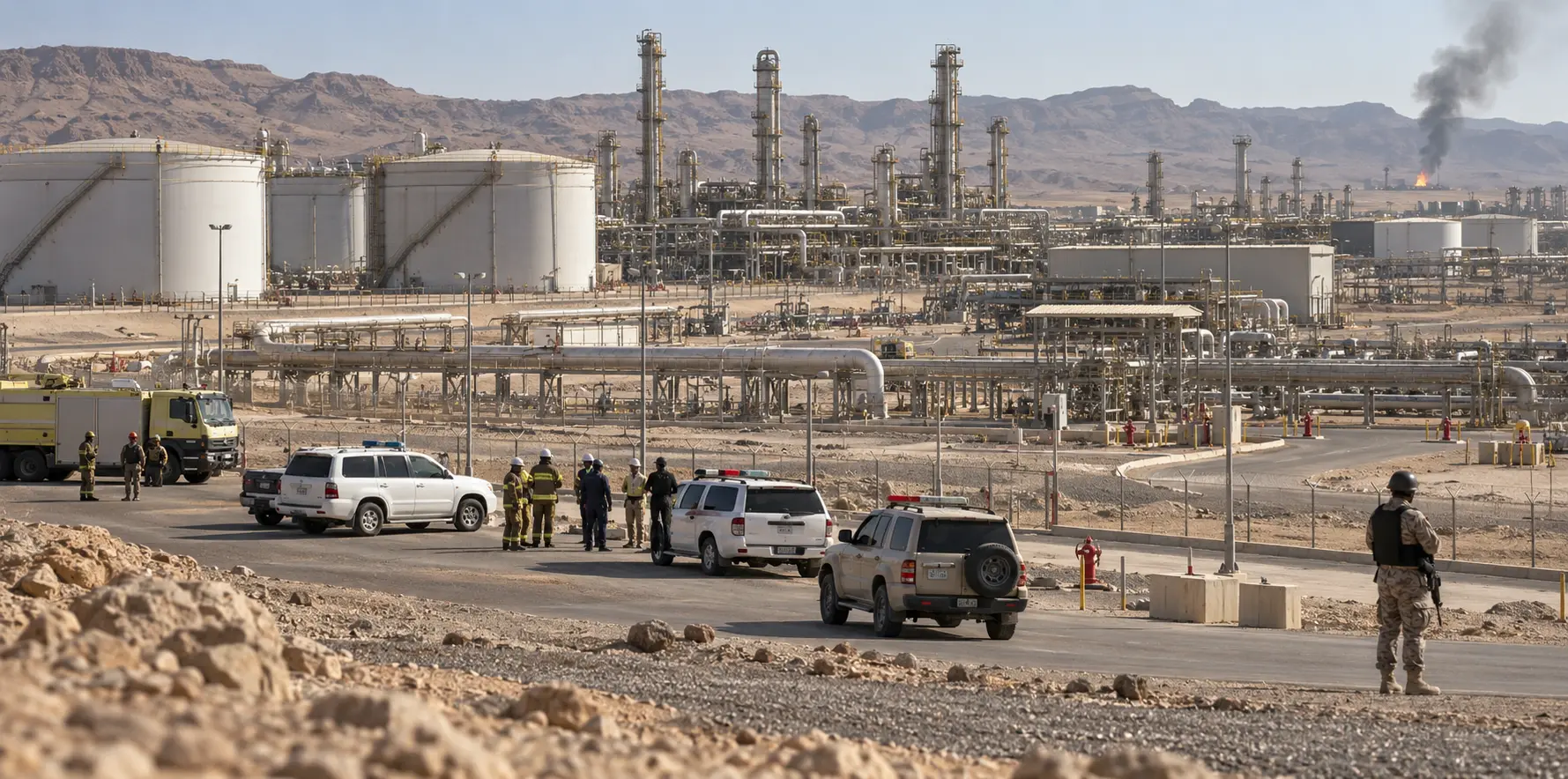
At the same time, US President Donald Trump has issued another warning to Tehran over activity around Pickaxe Mountain, a fortified site near Iran’s heavily damaged Natanz uranium enrichment facility.
Speaking at a Republican convention in Dallas, Trump said Washington was monitoring activity at the site and threatened a major strike if Iran engaged in what he considered provocative action. Pickaxe Mountain contains deeply buried tunnel complexes and has previously been the subject of US threats.
The warning comes as Washington continues monitoring Iran’s nuclear infrastructure following extensive damage during the conflict. It also raises the risk of another escalation at a time when regional governments are trying to preserve space for diplomacy.
Military tensions are already visible beyond Iran itself. Multiple US military aircraft were reportedly damaged during overnight strikes on Muwaffaq Salti Air Base in Jordan. According to a CBS reporter cited by Reuters, one A-10 Thunderbolt suffered major damage while around eight F-15 aircraft sustained lighter damage and were subsequently returned to service.
Saudi Arabia has also faced continuing security alerts amid clashes involving Yemen’s Houthis. Civil defence authorities issued an all-clear in Khamis Mushait on Thursday after another emergency warning, the fourth in 24 hours, according to Reuters.
Despite the military pressure, Tehran is simultaneously signalling that diplomatic engagement remains possible.
Iran’s Foreign Ministry said the country was prepared for dialogue and cooperation with regional states to build mutual trust and establish sustainable security. Tehran argued that security in the Gulf and Sea of Oman should be managed through cooperation between countries bordering those waters rather than foreign military involvement.
Iran also rejected accusations that it controls Yemen’s Houthis. Its Foreign Ministry described the movement as an independent Yemeni actor after US Secretary of State Marco Rubio characterised the Houthis as Iranian agents and proxies. Tehran’s position should be understood as its official claim amid longstanding international debate over Iranian support for the group.
Pakistan, meanwhile, continues to express optimism about a diplomatic opening. Pakistan’s ambassador to Russia, Faisal Niaz Tirmizi, said Islamabad believes a better understanding between Washington and Tehran could emerge despite the renewed escalation.
Pakistan has sought to use its relationships with both governments to encourage negotiations, while Qatar has also been involved in diplomatic efforts. Tirmizi’s remarks, however, do not indicate that formal US-Iran negotiations have resumed or that an agreement has been reached.
Another point of tension is Iran’s capture of a US Dive-LD autonomous underwater vehicle. Analysts cited by Reuters believe Iranian engineers could attempt to study and reverse-engineer parts of the system. The US Navy says the older-model vehicle malfunctioned before Iranian forces recovered it from the water.
The conflict is therefore moving along two tracks. Military pressure remains intense, with threats against Iranian facilities, attacks affecting US assets and persistent instability around the Gulf. At the same time, Iran, Pakistan and other regional actors continue to leave the door open for diplomacy.
Hormuz provides perhaps the clearest measure of whether conditions are genuinely improving. Wednesday’s fall to seven vessel transits shows that commercial shipping remains far from consistently normal levels.
Until traffic stabilises and military threats ease, diplomatic statements alone are unlikely to remove the uncertainty facing the Gulf.