




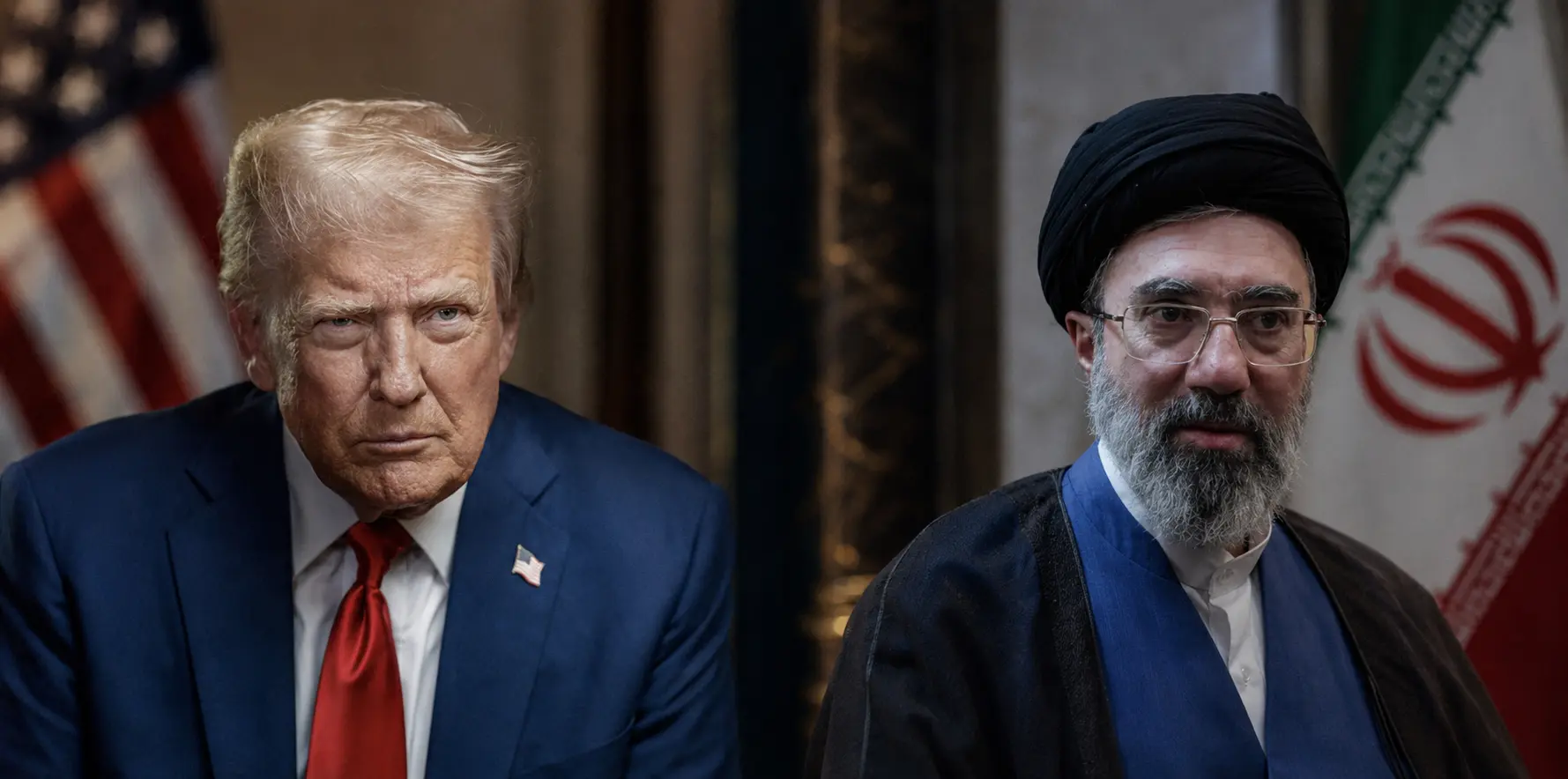

The United States is preparing what Treasury Secretary Scott Bessent has described as the “toughest sanctions in history” against Iran, escalating Washington’s economic campaign as it seeks to pressure Tehran while reducing the likelihood of another major round of military operations.
Bessent said on Thursday that details of the new sanctions package would be announced next week. His comments came a day after President Donald Trump threatened unprecedented “Economic Warfare” against Iran and warned countries against providing Tehran with an economic lifeline.
Bessent presented the sanctions as part of a broader strategy combining economic pressure with the US naval blockade imposed on Iran. He argued that maximum economic pressure could reduce the likelihood of a renewed large-scale military confrontation.
The announcement immediately drew attention from energy markets. Oil prices climbed to their highest level in more than three weeks on Thursday as traders assessed the possibility of tougher restrictions affecting Iranian exports and countries continuing to trade with Tehran.
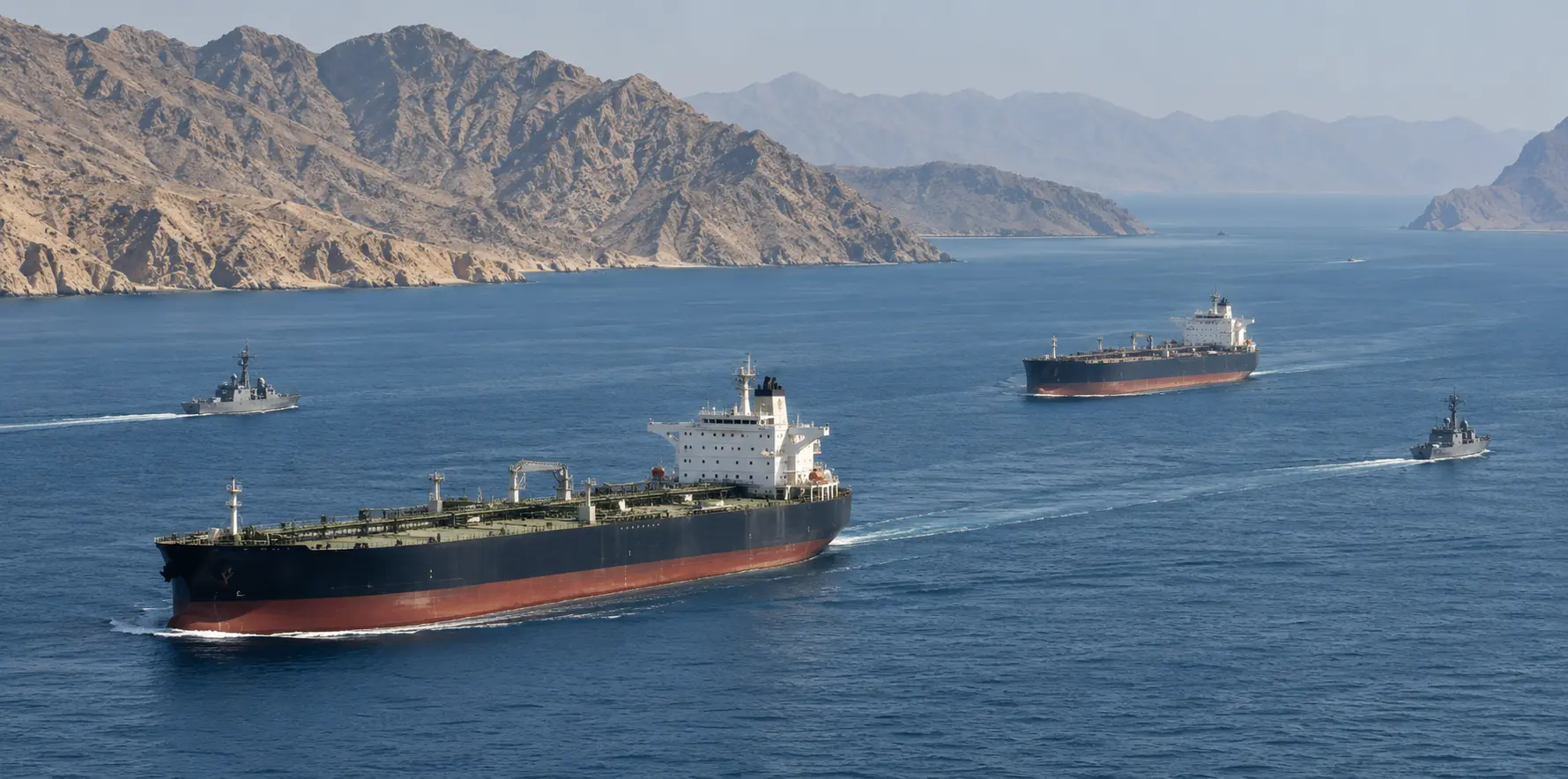
The Strait of Hormuz remains central to the crisis. Before the conflict began, the strategic waterway handled roughly one-fifth of globally traded oil. Restrictions on shipping have since disrupted energy flows and left millions of barrels of Middle Eastern oil stranded. Two previously announced ceasefire agreements, in April and June, quickly collapsed.
Iran condemned Washington’s latest economic threats. Its foreign ministry described US sanctions as “economic terrorism” and maintained that the pressure would not force Tehran to abandon what it considers its national interests.
China could become particularly important as Washington develops the new measures. According to 2025 data from Kpler cited by Reuters, China purchases more than 80 percent of Iran’s shipped oil. Bessent stopped short of confirming whether Washington would directly target Beijing for continuing business with Tehran.
China, meanwhile, rejected the sanctions strategy and called for the crisis to be addressed through political and diplomatic negotiations.
Trump has also threatened economic consequences against any country whose financial institutions, businesses, airports or government entities provide assistance to Iran. However, the administration has not yet identified which countries or transactions will be targeted by the forthcoming measures.
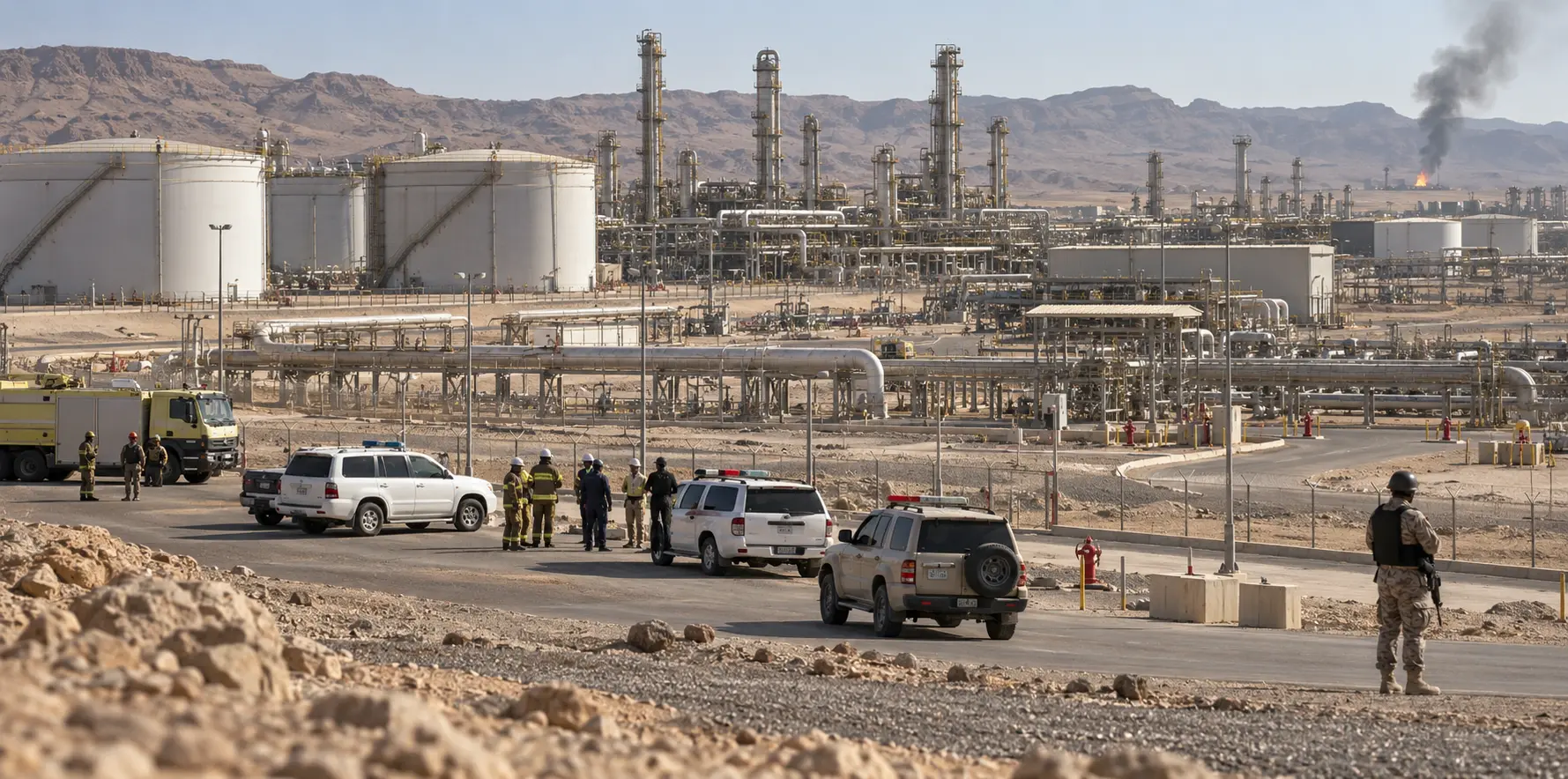
The potential use of secondary sanctions raises the stakes considerably. Measures targeting companies or governments outside Iran could disrupt oil trading, financial transactions and shipping networks while forcing countries with commercial ties to Tehran to reassess their exposure to the US financial system.
For now, the description of the measures as the “toughest sanctions in history” remains a statement from the US Treasury secretary rather than a detailed sanctions package. Bessent said Washington will provide specifics on Monday.
Until those details emerge, the biggest questions remain which sectors and countries will be targeted, how aggressively Washington will enforce the restrictions, and whether intensified economic pressure can push Tehran toward negotiations without triggering another escalation in the conflict.