








The Middle East conflict entered a more dangerous phase on September 8 as Houthi attacks struck Saudi Arabia, disrupting energy facilities and injuring dozens, while renewed US-Iran tensions slowed shipping through the Strait of Hormuz and intensified fears over global energy supplies.
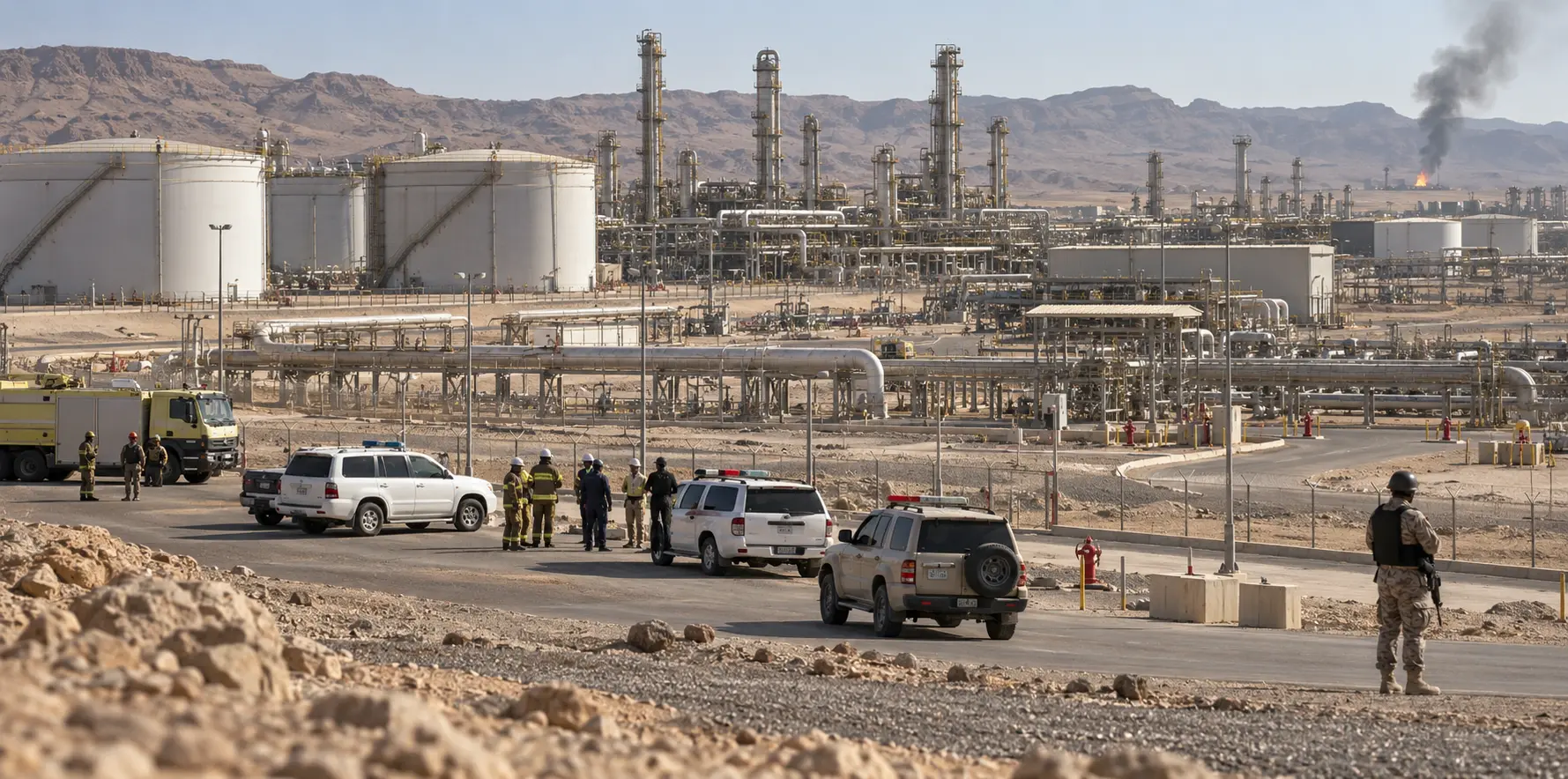
Saudi Arabia’s energy ministry said several energy facilities and utilities in the kingdom’s southern region were attacked by Yemen’s Iran-backed Houthis. Fires broke out at several locations and some operations were temporarily halted, according to Reuters reporting carried by Geo News.
The Saudi-led coalition in Yemen said at least 73 people, including women and children, were injured in attacks on Abha, Khamis Mushait, Jazan and Najran. The coalition said civilian and economic sites had been targeted and promised a firm response.
Houthi media claimed its missiles and drones targeted Abha International Airport, King Khalid air base and facilities belonging to Saudi oil giant Aramco in Abha and Jizan. The group’s claims about individual targets should remain attributed unless independently confirmed.
The attacks represent a significant expansion of the regional crisis because Saudi Arabia is a major global oil producer and disruption to its energy infrastructure can quickly affect market expectations.
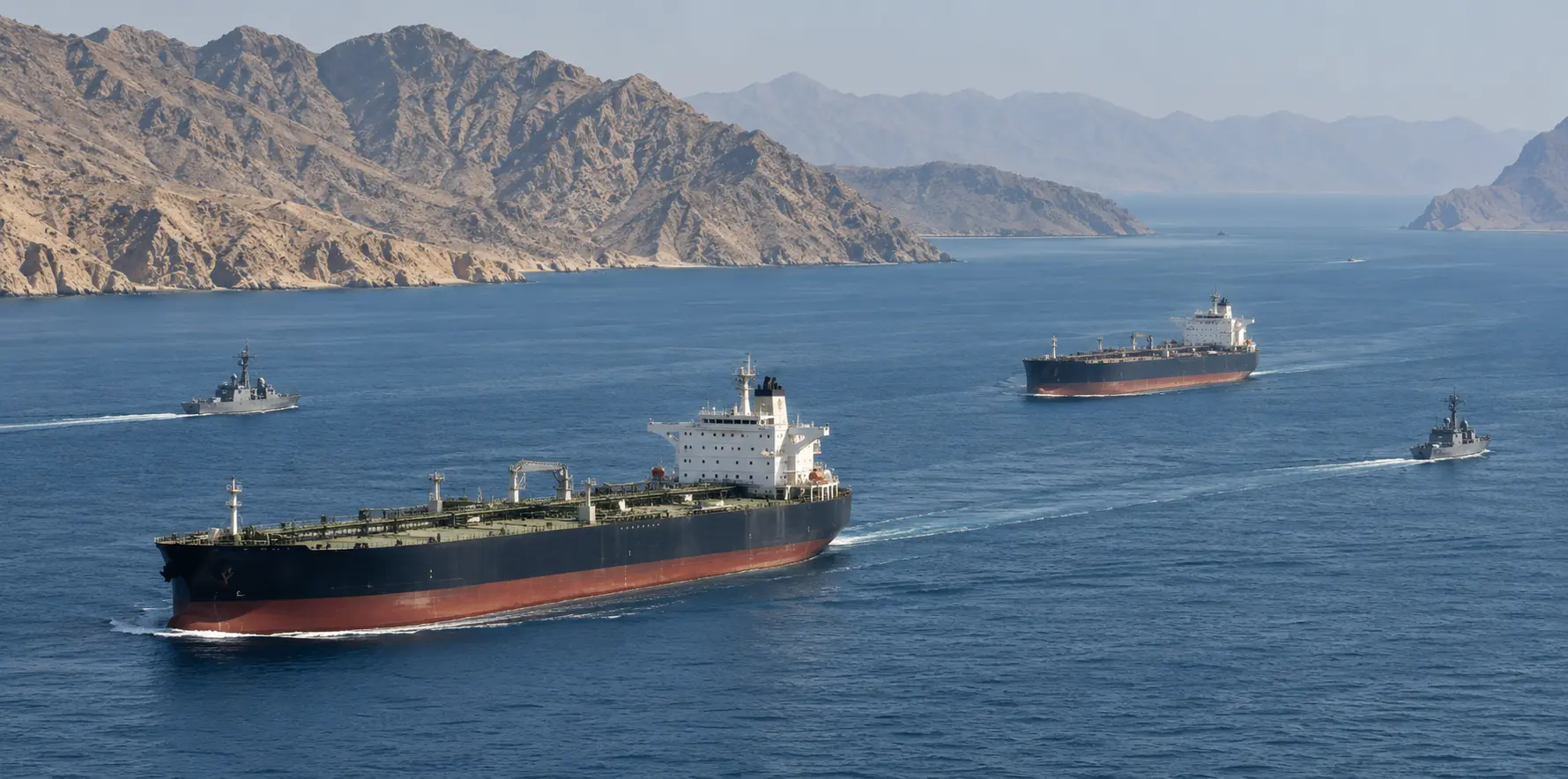
At the same time, pressure is building around the Strait of Hormuz.
Kpler data showed only seven commodity vessels travelled through Hormuz on Monday, compared with eight on Sunday. The figures may undercount actual traffic because some vessels can transit with their tracking transponders switched off.
Iran has threatened retaliation if the United States launches further attacks and warned that energy infrastructure across the Gulf, including American oil and gas interests, could be vulnerable.
Tehran is also preparing a new restricted maritime zone extending from the perimeter of the US naval blockade into parts of the Persian Gulf. Iranian security official Mohsen Rezaei said the country’s posture towards US warships and military bases had been “fundamentally recalibrated.”
Washington, meanwhile, is maintaining economic and maritime pressure on Iran. US Central Command says it has redirected 94 commercial vessels, disabled three and boarded two since Washington reimposed its blockade of Iranian ports in mid-July.
Energy markets are increasingly pricing in the possibility that the disruption will last.
Brent crude traded around $97 a barrel on Tuesday after reaching six-week highs, while analysts raised forecasts as the possibility of prolonged disruption to Gulf exports increased. Reuters reported that Goldman Sachs raised its Brent and WTI forecasts for December 2026 and 2027 because it expects Middle Eastern shipping disruptions to persist.
Despite the disruption, benchmark crude has remained below $100. Alternative export routes, higher production outside the Gulf and weaker demand have provided some protection to the global market. However, physical oil supplies remain tight, particularly for refined products such as diesel.
The latest developments also complicate diplomatic efforts to prevent a broader regional confrontation.
Iranian Foreign Minister Abbas Araghchi has called on Islamic countries to respond collectively to what Tehran describes as US-Israeli aggression, while Saudi Arabia and the United Kingdom have separately discussed diplomatic efforts aimed at reducing regional tensions.
The central risk is increasingly clear: the crisis is no longer only about direct exchanges between Washington and Tehran. Attacks on Saudi territory, threats against Gulf energy infrastructure and continued disruption around Hormuz are creating multiple potential flashpoints.
For global markets, Hormuz remains the critical pressure point. Roughly one-fifth of global oil and gas shipments normally pass through the strategic waterway, meaning even partial disruption can affect crude prices, freight costs and energy security far beyond the Middle East.
The immediate focus will now be on Saudi Arabia’s response to the Houthi attacks, whether Iran implements its proposed maritime restrictions and whether Washington launches additional strikes.
Any further escalation involving Gulf energy facilities could transform an already severe shipping crisis into a much broader threat to global energy supplies.