








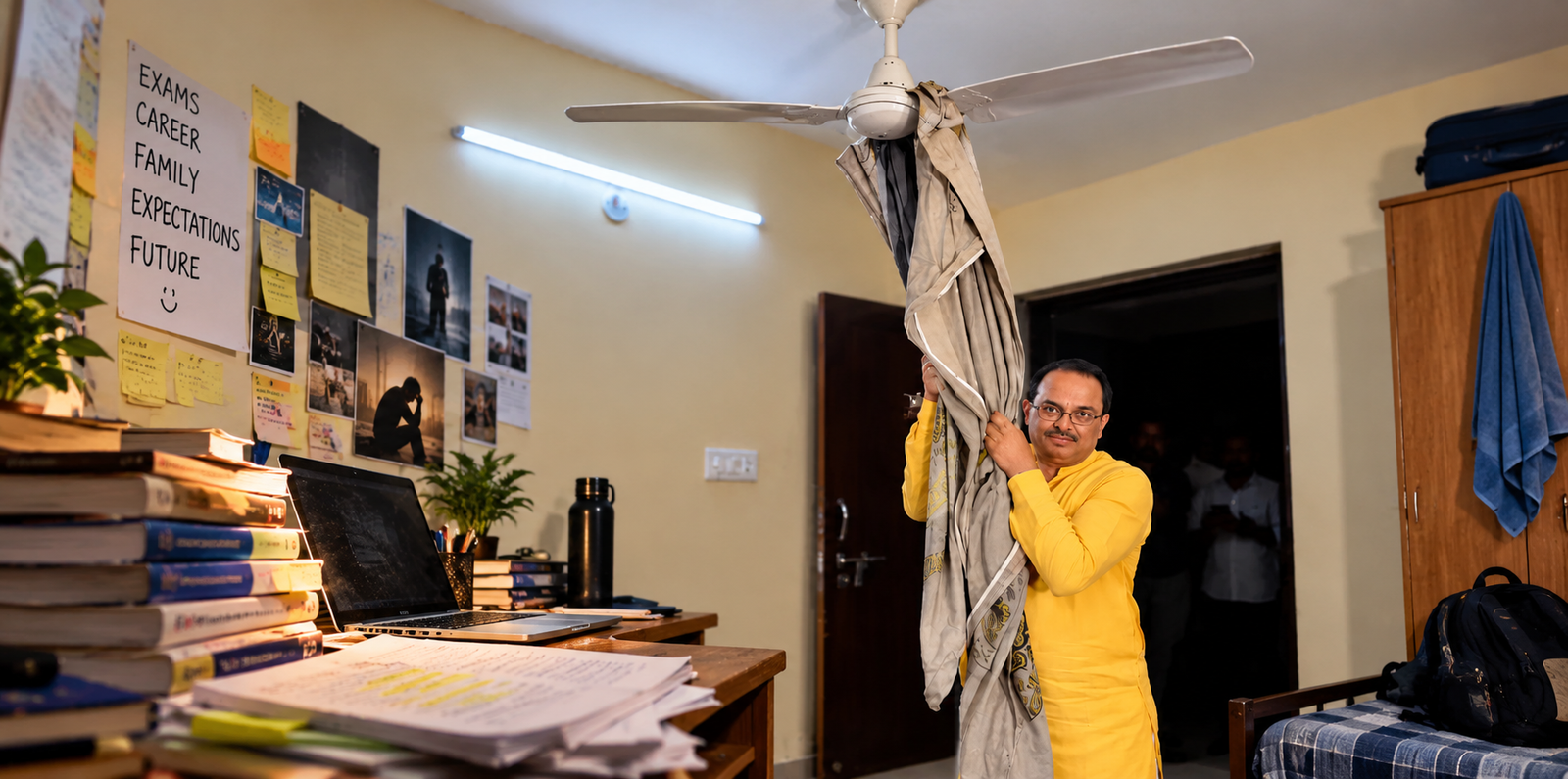

India has a student mental health problem. Academic pressure, impossible expectations, entrance exams that practically decide your future at 17, and parents who have already planned your medical career before you’ve passed biology.
Clearly, something needs to change. And a university in Gujarat has finally figured out what.
The ceiling fan. Yes, really.
Veer Narmad South Gujarat University (VNSGU) in Surat has installed 354 specially designed “anti-suicide” ceiling fans in its hostels. Each costs around ₹1,500, bringing the total to approximately ₹5.31 lakh.
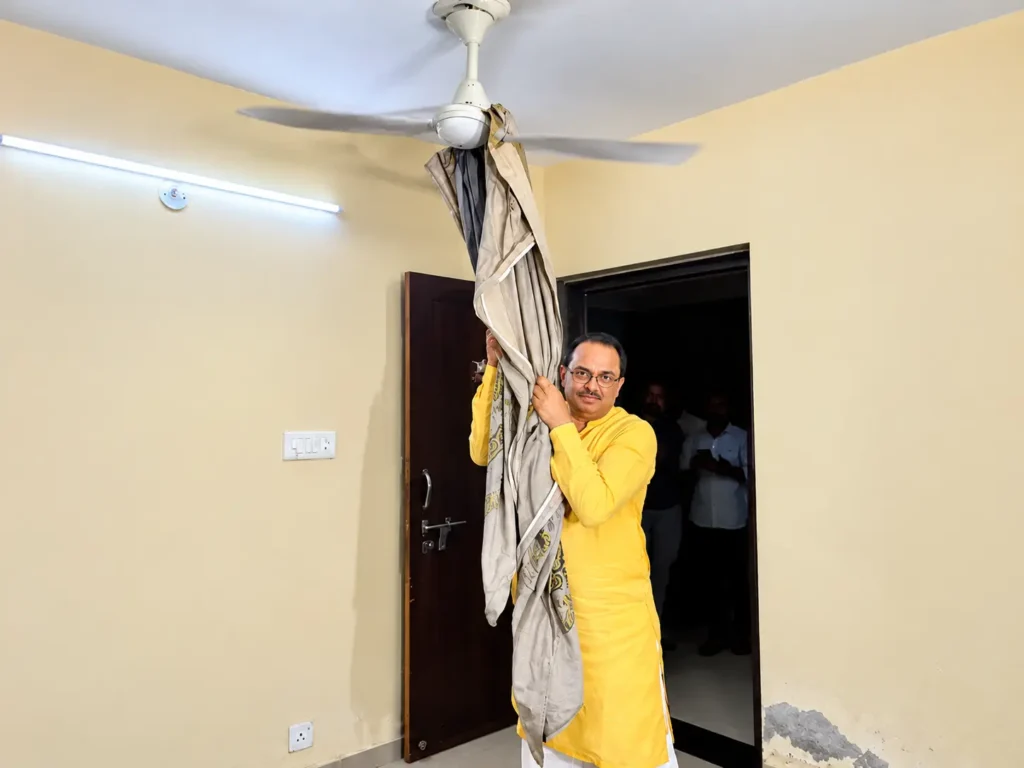
The mechanism is simple. When excessive weight is applied, the fan’s spring releases, the electricity disconnects, and the fixture lowers.
The vice-chancellor even gave reporters a demonstration. And there you have it. Three hundred and fifty-four fans upgraded. Now, about the students.
₹5.31 Lakh Later, the Fans Are Doing Great
Vice-Chancellor Dr Kishorsinh Chavda demonstrated the new technology by placing a bedsheet over a fan and applying weight until its safety mechanism activated.
The fan came down. The power went off. Demonstration successful. The university has introduced a potentially useful safety measure. Fair enough. But the internet had questions.
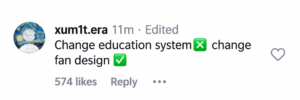
One Instagram user wrote:
Now, to be fair, the fans aren’t useless. Reducing access to dangerous fixtures is a recognised suicide-prevention measure. But there’s something rather telling about how easily a university can demonstrate a mechanical solution while the much messier conversation about student wellbeing remains unresolved.
A fan comes with a release mechanism. What happens when a student tells someone they’re struggling?
That’s a demonstration we’d like to see too.
India’s Education System Could Use a Little Renovation Itself
Let’s talk about the environment these students are living in. In India, competitive examinations can feel less like tests and more like auditions for the rest of your life. Get into the right college, secure the right degree, choose the right career, earn enough money, make your parents proud.
Preferably before you’ve had time to develop a personality. For students preparing for examinations such as NEET and JEE, years of preparation can come down to a single result.
Families spend considerable money on coaching institutes. Students spend long hours studying. Some move away from home specifically to prepare for entrance tests. And when things don’t work out, the disappointment can be enormous.
Of course, academic pressure is not the only factor associated with suicidal distress. Mental health crises are complicated, and reducing them to exam stress alone would be misleading. But that doesn’t mean universities can ignore how their academic environments affect students.
When your entire worth seems tied to a rank, a percentage or a college admission letter, being told to simply work harder isn’t particularly helpful.
Neither is discovering that your hostel has excellent new ceiling fans.
The Comment Section Is Apparently Running the Student Welfare Department
The response to the video was a mixture of disbelief, sarcasm and surprisingly reasonable suggestions.
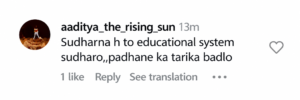
One commenter wrote:
Another suggested that coaching institutes should dedicate time to teaching students how to deal with setbacks and find alternative paths when they don’t achieve their expected results.
Someone else wrote:
“Try designing anti-suicidal education system.”
Now there’s an idea. An education system where failing an exam doesn’t automatically become a family emergency. Where students can tell their teachers they’re overwhelmed without being lectured about how previous generations had it harder.
Where counselling isn’t something you discover exists after a crisis. And where choosing a different career doesn’t require a formal apology to your extended family. Radical concepts, apparently.
The comments also included people questioning how the fan would work under different conditions.
Those questions deserve proper technical answers. If universities are installing specialised safety equipment, students should know that it has been tested and meets appropriate safety standards.
But the bigger issue remains. Why does a discussion about student suicide so quickly become a discussion about hardware?
The Fan Isn’t the Villain Here
Before anyone starts defending ceiling fans in the comments, let’s establish something.
Installing anti-suicide fixtures is not a bad idea.
Restricting access to potentially lethal means is an established suicide-prevention strategy. Properly designed safety equipment can reduce risk and provide valuable time for intervention. The problem is treating any one measure as sufficient. A spring-loaded fan cannot identify a student experiencing severe anxiety.
It cannot arrange an appointment with a qualified mental health professional. It cannot address bullying, academic humiliation, family pressure or financial difficulties. And it certainly cannot convince someone that failing an entrance exam doesn’t mean their future is over. Those responsibilities belong to people and institutions.
To be clear, the reports about VNSGU’s initiative do not establish that the university lacks counselling services or other mental health programmes.
It may have them. But the publicity surrounding the installation tells us considerably more about how the fans work than about the support available to students.
Which is precisely why the conversation shouldn’t end with a successful demonstration.
Apparently, Mental Health Doesn’t Come With an Installation Manual
The university spent approximately ₹5.31 lakh on the fans. That isn’t necessarily a waste of money. If the equipment reduces a genuine safety risk, it may be a sensible investment. But here’s what would make the announcement more reassuring.
Tell students how many qualified counsellors are available. Explain whether appointments are confidential. Show what happens when a student reports feeling overwhelmed.
Describe how academic staff are trained to respond when someone is struggling. And perhaps ask students themselves whether they feel supported. These aren’t unreasonable demands.
A university already measures attendance, examination results, admission numbers and academic performance. Surely it can also examine whether students feel comfortable asking for help.
The challenge, of course, is that mental health support doesn’t produce the same satisfying demonstration as a mechanical device.
You can’t invite reporters into a hostel room, press a button and announce that anxiety has been successfully disconnected. Counselling takes time. Building trust takes longer.
Changing an unhealthy institutional culture can take years. Unfortunately, none of that makes for a particularly exciting product demonstration.
What If We Made University Life Worth Enjoying?
Student welfare shouldn’t begin when someone reaches a crisis. It should be part of ordinary university life.
That means accessible mental health services, reasonable academic expectations, support after setbacks and teachers who understand that struggling students don’t necessarily need another lecture about discipline.
It also means recognising that students are people with lives beyond their grades.
Some are dealing with financial problems. Others are struggling with family expectations, loneliness or uncertainty about their futures.
A good education system should help students navigate those difficulties, not make them feel ashamed for experiencing them.
And no, that doesn’t mean universities should stop installing safer equipment. They should absolutely continue reducing preventable risks.
But they should be equally willing to examine the pressures students experience every day.
The Fan Passed Its Test. Has the University?
VNSGU’s new fans are designed to release under excessive weight.
The university has demonstrated that mechanism to reporters and presented the installation as a potential example for other institutions. Fine.
Now let’s apply the same curiosity to the university’s mental health provisions.
Are students receiving timely support? Do they know where to go when they’re struggling? Can they discuss academic difficulties without fearing humiliation? And are universities willing to change practices that unnecessarily intensify pressure? Those answers matter far more than the number of fixtures installed.
A safer ceiling fan is useful. A safer environment for students is essential.
The university has shown what happens when too much weight is placed on its new equipment.
Now perhaps it could show what happens when too much pressure is placed on its students.
Because 354 fans later, the most important question is still waiting for an answer.
Who’s looking after the people living underneath them?