






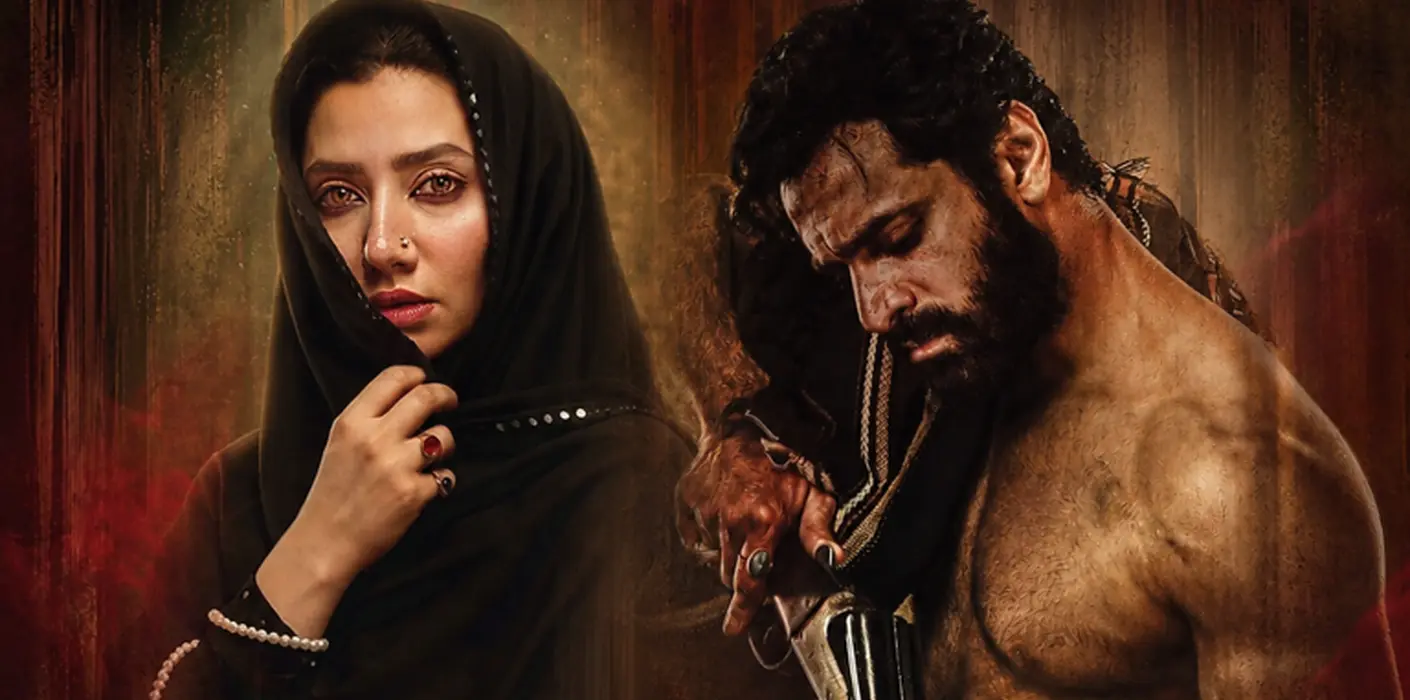

There is a particular pleasure in hearing a television character speak the way people do around your own dining table. The teasing sounds familiar. An insult carries a history. A change in tone tells you who has power in the room. That pleasure helps explain the appeal of Mitti De Baway, whose Punjabi dialogue gives its emotional conflicts a texture audiences can recognise. Beneath the excitement around Mahira Khan and Wahaj Ali lies something more lasting: a story interested in the people we know, including the parts of them we would rather overlook.
Written by Faiza Iftikhar and directed by Syed Wajahat Hussain, the Green Entertainment drama centres on Billo and Baala, whose youthful attachment becomes entangled with family honour, social standing and resentment. Its early episodes move between different stages of their lives, allowing affection and hostility to sit beside each other. That structure makes the past feel active. Every encounter carries the possibility that an old humiliation is still deciding what someone does today. Early episode review
Iftikhar’s writing offers a useful explanation for this familiarity. In a 2016 interview about Dil Lagi, she said: “Characters have to be rooted in observation and reality to be authentic.” She also rejected the habit of writing women as entirely good or bad. Those remarks describe an approach that remains valuable here. A convincing character can be proud, vulnerable, selfish and affectionate within the same relationship. Viewers recognise such contradictions because living with people rarely gives us the luxury of a simple verdict. Iftikhar interview, 2016
Her background in Urdu digest fiction, followed by television, also helps contextualise her interest in domestic lives. In another 2016 interview, she discussed blending humour, romance and harsher realities rather than treating them as separate compartments. That mixture makes emotional sense. Families can joke while nursing grievances; an ordinary conversation can turn ugly halfway through. Read through that lens, Mitti De Baway’s tonal shifts feel like part of its appeal. Its people can be amusing without becoming harmless, and wounded without becoming admirable. Iftikhar on her writing, 2016
The Punjabi matters because language carries those shifts. Familiar forms of address can express affection, establish rank or quietly put someone in their place. The much-discussed “banaspati ishq” line offers a sharp example. An everyday reference to cooking fat becomes a cutting judgement on the quality of someone’s love. The phrase has circulated in memes, but its appeal also lies in how easily it belongs to the speaker’s world. It is the kind of inventive comparison that can make dialogue memorable without making it sound like a prepared speech. Dialogue reception
Authenticity, however, deserves a deeper reading than appreciation of an accent. Baala’s background as a dhol player places inherited occupation and social status inside the romance. The language of zaat, or caste identity, makes rejection more painful: his family background becomes grounds for deciding whether he deserves acceptance. The drama invites us to distinguish money from social permission. Improving one’s circumstances cannot necessarily erase the label another family insists on attaching to one’s birth. Within this fictional world, the question of a suitable match becomes a question of whose humanity receives equal consideration. Episode synopsis Viewer discussion
That is where the story becomes relatable beyond its period setting. Anyone who has heard a relationship discussed chiefly in terms of family name or reputation can recognise the logic. Affection becomes something to defend before a committee of relatives. A decision that feels intensely personal is treated as collective property. Iftikhar’s characters inhabit that tension, and it gives their choices weight. The audience can understand how pressure works while still questioning the harm people commit in its name.
Billo is especially interesting within this framework. Her respected position later in life sits uneasily beside her history with Baala. Reading her through Iftikhar’s longstanding resistance to the endlessly suffering heroine opens a richer discussion: a woman can face restrictions and exercise power over others. Understanding Billo does not require finding her innocent. Her contradictions give viewers something to debate beyond whether she deserves the hero. They also make room for an uncomfortable question about how respectability can conceal cruelty. Early episode review Iftikhar interview
Wahaj’s performance gives Baala’s humiliation and anger a visible physical dimension. Early commentary has praised his Punjabi delivery and the emotional force of his portrayal, while Fazal Hussain and Aena Khan have earned appreciation as the younger Baala and Billo. Their casting matters to the story’s emotional continuity. The youthful relationship needs enough life of its own for the audience to feel what has been damaged. Equally, sympathy for Baala’s hurt should leave room to judge what he does with it. Injury can explain revenge without making it just. Performance review Young leads’ reception
The conversation has also reached Indian entertainment coverage and viewers across the border. One self-identified Indian commenter in the Reddit discussion expressed curiosity about the caste dynamics depicted in Pakistan. That response suggests an interesting possibility: cultural specificity can draw outsiders closer by giving them something concrete to recognise or investigate. Shared language and familiar family pressures may help explain that connection, even as individual experiences differ. Indian entertainment coverage Viewer discussion
The Reddit thread raises another worthwhile point: enthusiastic viewers want criticism that explores why a scene works. They are asking about character motivation and social hierarchy, alongside performances. Some also question aspects of the Punjabi delivery, a reminder that affection for a drama can accommodate disagreement. Such engagement gives Mitti De Baway a conversation worth sustaining. Viewer discussion
The series is still ongoing, and its full achievement will depend on how these threads develop. For now, its strongest invitation is to look closely at familiar behaviour: the joke that exposes resentment, the family judgement dressed up as concern, the pride that survives a broken relationship. Faiza Iftikhar’s writing makes those details worth discussing. Mitti De Baway feels close to home because its conflicts ask us to recognise people before we decide how to judge them.