



For decades, Pakistan’s middle class has been regarded as the country’s economic engine. It is the segment that fuels consumer spending, invests in education, purchases homes, supports small businesses and contributes significantly to the nation’s economic activity. A strong middle class is often considered one of the clearest indicators of a healthy economy because it creates demand across almost every major industry.
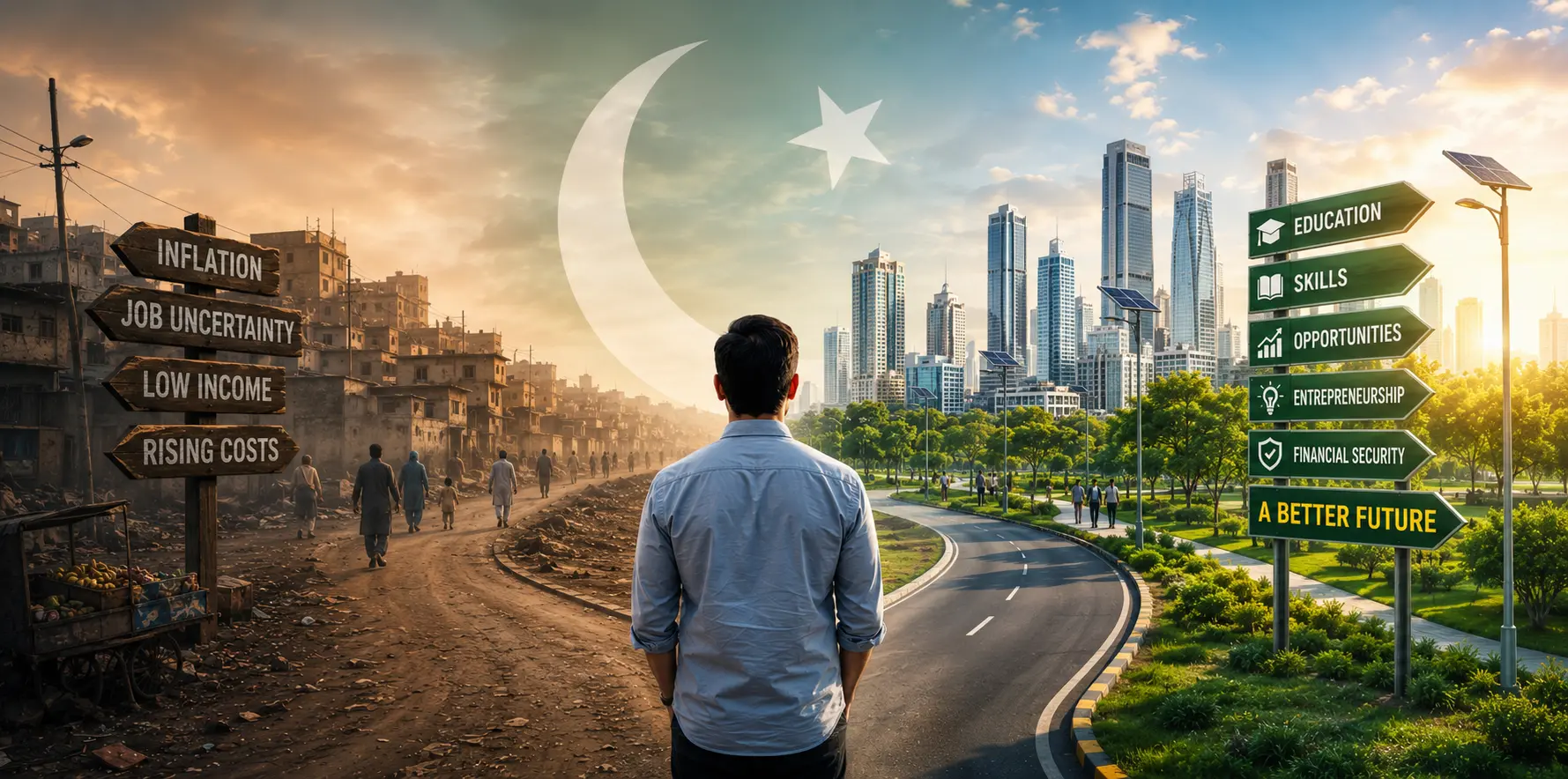
Today, however, that foundation is under increasing pressure. Persistent inflation, rising utility bills, expensive housing, higher healthcare costs and changing employment patterns are forcing millions of households to rethink how they earn, spend and save. The conversation is no longer just about managing monthly expenses—it is about adapting to a rapidly changing economic landscape.
The importance of the middle class extends far beyond household finances. When middle-income families have greater purchasing power, businesses expand, investments increase and new jobs are created. Their spending supports industries ranging from retail and banking to education, healthcare, tourism, real estate and technology. In many ways, the financial confidence of the middle class influences the overall direction of the economy.
Recent years have made that confidence more difficult to maintain. Inflation has changed spending habits across the country. Families that once planned to buy a new car or upgrade their homes are postponing those decisions. Dining out has become less frequent, discretionary spending has declined and larger portions of household income are now allocated to groceries, fuel, electricity and education. Savings, once considered a financial safety net, have become increasingly difficult for many families to maintain.
These changing spending patterns affect more than individual households. Businesses also adjust their strategies when consumer demand slows. Retailers revise product offerings, manufacturers experience weaker sales and employers become more cautious about hiring and expansion. The ripple effects of inflation extend throughout the economy, influencing investment decisions and long-term business confidence.
Housing has become another defining challenge for Pakistan’s middle class. For generations, owning a home represented financial stability and long-term security. Today, however, rising property prices, higher construction costs and expensive financing have placed home ownership beyond the reach of many young professionals.
As a result, housing preferences are beginning to change. Apartment living is becoming more common in major cities, while many families are relocating to suburban areas where property remains relatively affordable. Others are choosing to rent for longer periods rather than committing to increasingly expensive mortgages. Over the next decade, affordable housing policies, improved mortgage accessibility and better urban planning are likely to play a crucial role in shaping the future of Pakistan’s growing cities.
Despite these financial pressures, one major trend is creating new opportunities for middle-income households: the digital economy.
Unlike previous generations, many young Pakistanis are no longer limited to local employment opportunities. Freelancing, remote work, software development, digital marketing, e-commerce and online entrepreneurship have opened entirely new sources of income. Pakistan has emerged as one of the world’s fastest-growing freelance markets, allowing skilled professionals to earn in international currencies while living locally.
Artificial intelligence is expected to accelerate this transformation even further. Businesses increasingly require expertise in AI, data analysis, cybersecurity, cloud computing and software engineering, creating demand for highly skilled professionals. Online education platforms have also made it easier for individuals to acquire these skills without leaving their homes, allowing more people to participate in the global digital economy.
This shift is gradually changing what it means to belong to Pakistan’s middle class. Traditionally, financial security was associated with stable salaried employment, home ownership and long-term government or corporate careers. Those expectations are evolving. Today’s middle-class households are increasingly diversifying their income through freelancing, investments, digital businesses and multiple sources of revenue rather than relying on a single monthly salary.
Financial technology is contributing to this transformation as well. Mobile banking, digital payments and online investment platforms have expanded access to financial services, making it easier for individuals to manage money, invest and operate businesses. These technologies are helping create a more connected and financially aware generation that approaches wealth-building differently from previous generations.
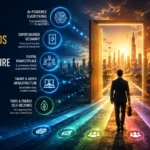
The coming decade is likely to redefine the middle class in ways that extend beyond income alone. Adaptability, digital skills and financial resilience may become more important than traditional measures of success. Households capable of embracing technology, continuous learning and entrepreneurship are likely to be better positioned to navigate future economic uncertainty.
This does not mean the challenges facing Pakistan’s middle class are insignificant. Inflation, affordability and economic stability will remain critical issues requiring effective public policy and sustainable economic growth. At the same time, expanding opportunities in the digital economy demonstrate that periods of economic transition can also create new pathways for progress.
Pakistan’s middle class is not simply shrinking or disappearing—it is evolving. The pressures it faces today are reshaping how families think about careers, education, investment and financial security. Those changes may ultimately produce a generation that is more entrepreneurial, globally connected and technologically skilled than ever before.
The future of Pakistan’s economy will depend largely on whether this transformation is supported through better education, digital infrastructure, affordable housing and stable economic policies. If those foundations continue to strengthen, the country’s middle class will remain what it has always been: the driving force behind Pakistan’s long-term growth and resilience.