







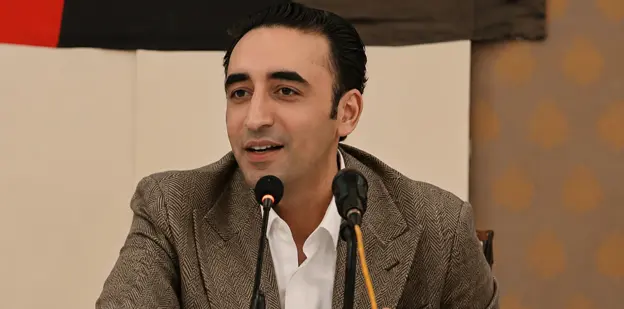

Chairman of Pakistan Peoples Party (PPP), Bilawal Bhutto Zardari has called for an immediate political dialogue to resolve the ongoing unrest in Azad Jammu and Kashmir (AJK). He warned, “Continued instability could damage the Kashmir cause as well as the international standing of Pakistan.” Bilawal, speaking in Muzaffarabad ahead of the AJK Legislative Assembly elections, stressed that democratic engagement, inclusive dialogue, and constitutional reforms remain the only sustainable path towards restoring peace.
Bilawal says, “People of Kashmir should have the primary role in deciding their political, economic, constitutional, political, and administrative future.” He also highlights the decisions that are affecting the region and says that they should emerge from the aspirations of Kashmiris rather than being imposed from Islamabad or any other authority.
The PPP chairman proposed convening an Azad Jammu and Kashmir constitutional convention after the elections to examine future reforms through a democratic process. According to Bilawal, constitutional changes must be debated through representative institutions instead of being driven by street protests or violent confrontation.
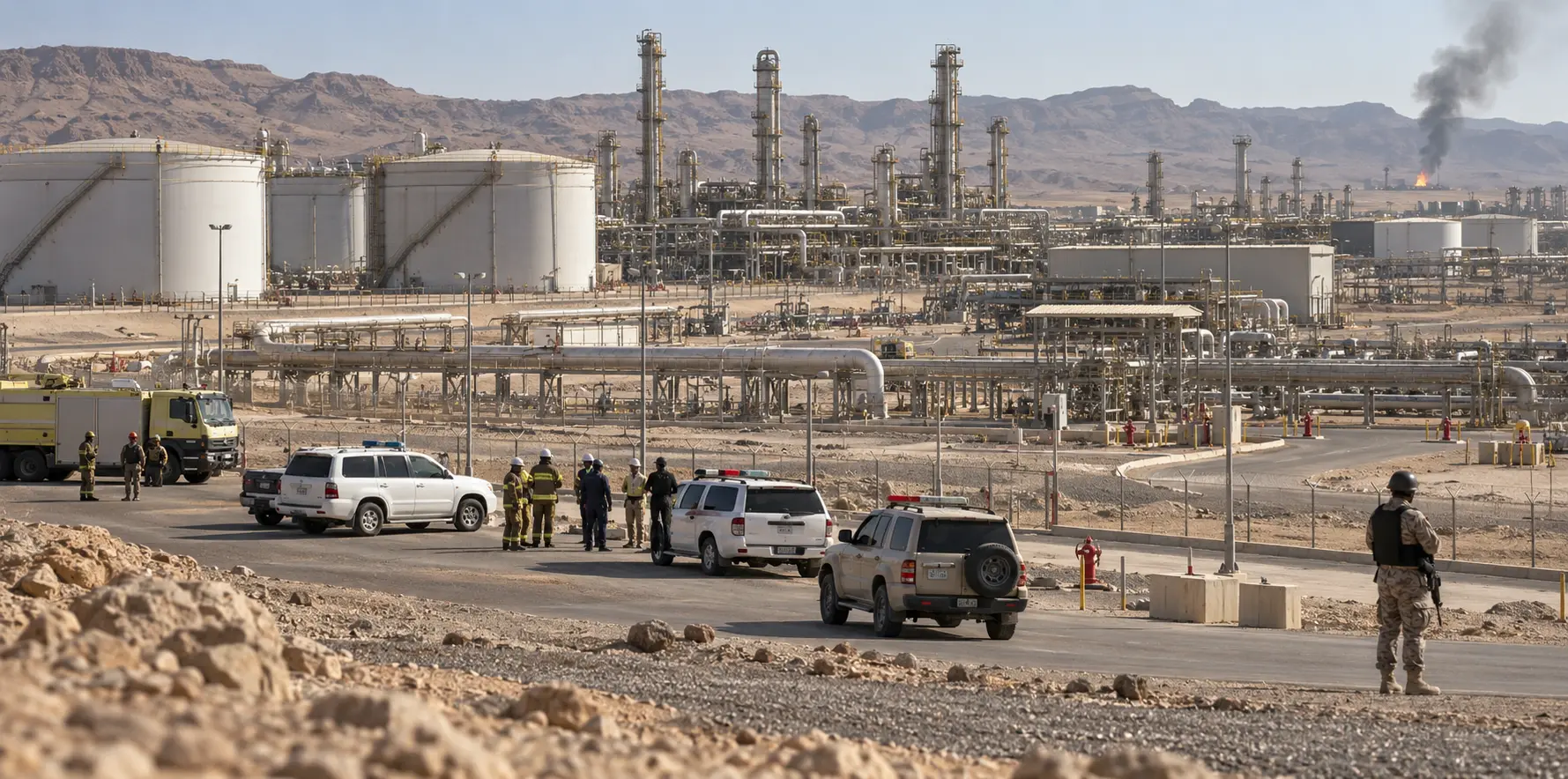
Bilawal expressed sorrow over the loss of lives and appealed to all the stakeholders to abandon confrontation in favour of negotiations, describing the unrest as a “national tragedy”, his remarks come at a time when tensions in the part of AJK following recent political and demonstration disputes were high. He also said that before the situation deteriorates further, the AJK administration, Federal government, Protest groups, and Political groups should engage in a meaningful dialogue.
Moreover, Bilawal suggested creating an independent reconciliation commission comprising representatives from all relevant stakeholders. The proposed body would investigate the causes of the unrest, listen to grievances from different groups, recommend political and administrative reforms and work towards rebuilding public confidence in state institutions.
Prolonged instability not only affects governance in AJK but also weakens Pakistan’s diplomatic position on the Kashmir dispute, according to the PPP chairman. He argued that internal political conflict diverts international attention away from the broader Kashmir issue and risks undermining support for Pakistan’s stance on global platforms. He also criticised what he described as irresponsible public statements by some political figures, saying such rhetoric had complicated the situation and created unnecessary challenges for the federal government.
Bilawal’s address gives a major theme about greater political inclusion for Kashmir and Azad Jammu people. He ensures that constitutional mechanisms and expanding democratic participation remain the primary avenue for resolving grievances. Among his proposals was granting AJK observer-level representation in key national institutions, including the National Finance Commission (NFC), the Council of Common Interests, Parliament and the Senate. He argued that giving Kashmir’s elected representatives a voice in national forums could help address concerns before they escalate into political crises.
Bilwal also defended the voting rights of Kashmiri refugees, stating that electoral disagreements over reserved assembly seats should not deprive displaced communities of their democratic rights. He maintained that electoral reforms should strengthen representation rather than deepen divisions.
Discussing the origins of the current crisis, Bilawal referred to the government’s decision to ban the Jammu Kashmir Joint Awami Action Committee (JAAC) under the Anti-Terrorism Act following disputes over reserved seats for refugees from Indian-administered Kashmir. He said the federal government now has a responsibility to facilitate dialogue and help restore regularity through political engagement instead of prolonged confrontation.
Bilawal also reasserted PPP’s long support for the Pakistan armed forces, depicting them as a “red line” that should not become the target of the political attacks, beyond the immediate unrest. He praised Field Marshal Syed Asim Munir for his role in maintaining regional stability and urged political leaders to exercise restraint in their public statements to avoid deepening national divisions.
He also reiterated the PPP’s commitment to the people of Kashmir, pledging that the party would continue campaigning in the region until the July 27 AJK Legislative Assembly elections. Bilawal revealed that he had discussed the evolving situation with Deputy Prime Minister and Foreign Minister Ishaq Dar and emphasised that political engagement would continue despite ongoing tensions.
Bilawal also reaffirmed Pakistan’s position on the Indus Waters Treaty, stating that the country would not compromise on its water rights. He also underlined Pakistan’s continued diplomatic engagement in the region and argued that the ownership of Kashmir’s rivers, mountains and natural resources ultimately belongs to the people of Kashmir.
The coming weeks will be critical for Azad Jammu and Kashmir as political parties intensify campaigning ahead of the elections. Whether Bilawal’s proposals for dialogue, constitutional reforms and an independent reconciliation commission gain broader political support may play a significant role in shaping both the immediate political environment and the region’s longer-term stability.
With tensions still running high, the challenge for all stakeholders will be balancing political competition with efforts to restore public confidence and ensure that democratic institutions remain at the centre of resolving one of Pakistan’s most sensitive political issues.