







For more than a century, coal, oil and natural gas powered the world’s economies. They fueled factories, transported goods, lit cities and transformed living standards across continents. The Industrial Revolution, globalization and the rise of modern technology were all built on fossil fuels, making them the foundation of economic growth for generations.
Today, however, the global energy landscape is undergoing one of the biggest transformations in modern history.
Renewable energy is no longer viewed as an alternative reserved for environmental advocates. It has become a strategic economic priority. Governments are investing billions of dollars in clean energy projects, multinational companies are setting ambitious net-zero targets, and investors increasingly see renewable technologies as one of the strongest long-term growth opportunities. What was once considered the energy source of the future is rapidly becoming the energy source of the present.
Several factors are driving this transition simultaneously. Climate change has increased pressure on countries to reduce greenhouse gas emissions, while advances in technology have made renewable energy significantly more affordable than it was just a decade ago. At the same time, geopolitical tensions and fluctuations in global oil and gas markets have highlighted the importance of energy security, encouraging nations to diversify their energy sources rather than relying heavily on imported fossil fuels.
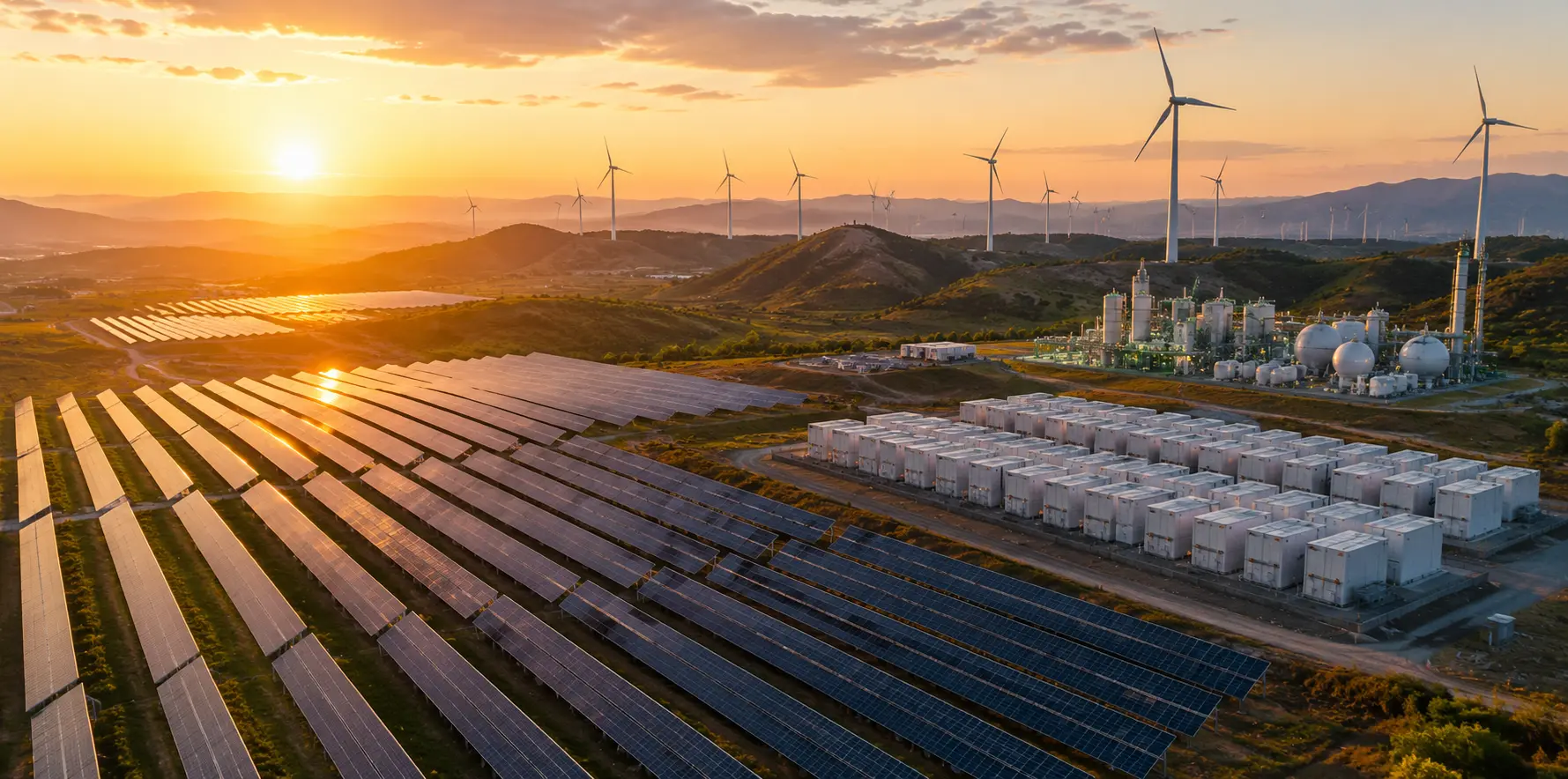
Solar energy has emerged as one of the biggest success stories of this transformation. Improvements in manufacturing, larger production volumes and technological innovation have dramatically reduced the cost of solar panels, making them one of the cheapest sources of electricity in many parts of the world. From utility-scale solar farms to rooftop installations on homes and commercial buildings, solar power is expanding at an unprecedented pace.
Wind energy has experienced similar growth. Modern turbines are larger, more efficient and capable of generating electricity even in moderate wind conditions. Offshore wind farms are also gaining momentum, allowing countries with limited land availability to produce significant amounts of renewable electricity while reducing dependence on conventional power generation.
This shift is about far more than protecting the environment. Renewable energy has become a major economic opportunity. According to international energy agencies, investment in clean energy now exceeds investment in many traditional energy sectors. The industry is creating millions of jobs in engineering, construction, manufacturing, software development, research and maintenance. Countries that successfully build competitive renewable energy industries are positioning themselves to benefit from one of the fastest-growing global markets.
The transition is also reshaping the business strategies of major corporations. Technology companies are signing long-term renewable electricity agreements to power data centres, manufacturers are electrifying industrial operations, and financial institutions are directing more capital toward sustainable infrastructure. Increasingly, clean energy is becoming not only an environmental choice but also a business decision driven by economics, investor expectations and long-term competitiveness.
While the progress has been remarkable, the transition to renewable energy is not without challenges. Unlike coal or natural gas power plants that can generate electricity on demand, solar and wind energy depend on weather conditions. This makes energy storage one of the most important priorities for the global energy sector. Battery technology is advancing rapidly, allowing excess electricity generated during sunny or windy periods to be stored and used when demand is highest. Large-scale battery storage projects are already helping stabilize electricity grids in several countries, and continued innovation is expected to make renewable energy even more reliable in the years ahead.
Another technology attracting global attention is green hydrogen. Produced using renewable electricity to split water into hydrogen and oxygen, green hydrogen has the potential to decarbonize industries that are difficult to electrify, including steel production, shipping, aviation and heavy manufacturing. Although still in its early stages, many experts believe hydrogen will play a significant role in achieving global net-zero emissions over the coming decades. Governments in Europe, the Middle East, Asia and Australia have already announced large-scale investments aimed at developing hydrogen production and export industries.
For countries like Pakistan, the global energy transition presents both opportunities and challenges. Pakistan enjoys abundant sunshine, significant wind corridors and growing interest in hydropower, creating strong potential for expanding renewable energy capacity. Increasing investment in solar and wind projects could reduce dependence on imported fossil fuels, improve energy security and lower electricity generation costs over the long term. At the same time, achieving these benefits will require continued investment in modern electricity grids, energy storage systems, regulatory reforms and policies that encourage private-sector participation.
The energy transition is also transforming the global economy in ways that extend far beyond electricity generation. Demand for critical minerals such as lithium, nickel, cobalt and rare earth elements is rising rapidly because they are essential for batteries, electric vehicles and renewable energy technologies. This has created new geopolitical and economic opportunities for countries involved in mining, processing and manufacturing these materials. As clean energy industries expand, competition for technology, skilled talent and sustainable supply chains is expected to become even more important.
Consumers are also playing a larger role in this transformation. Households are installing rooftop solar systems, businesses are improving energy efficiency and electric vehicles are gradually becoming more common in many markets. These changes reflect a broader shift in how societies think about energy—not simply as a utility, but as a long-term investment in economic resilience and environmental sustainability.
The future of renewable energy is no longer defined by possibility but by momentum. Around the world, governments, businesses and communities are investing in cleaner technologies because they increasingly make economic sense as well as environmental sense. While fossil fuels will continue to play a role during the transition, the direction of travel is becoming increasingly clear. Clean energy is moving from the margins to the mainstream.
The countries that invest in renewable energy today are investing in far more than electricity generation. They are strengthening energy security, attracting new industries, creating skilled jobs and positioning themselves for long-term economic growth in a world that is rapidly changing. The transition will not happen overnight, but it is already reshaping global markets, business strategies and public policy.
For investors, entrepreneurs and policymakers alike, renewable energy is no longer simply an environmental issue. It has become one of the defining economic opportunities of the twenty-first century. As technology continues to improve and costs continue to fall, the global shift beyond fossil fuels is expected to accelerate, making renewable energy one of the most important forces shaping the future of the world economy.