



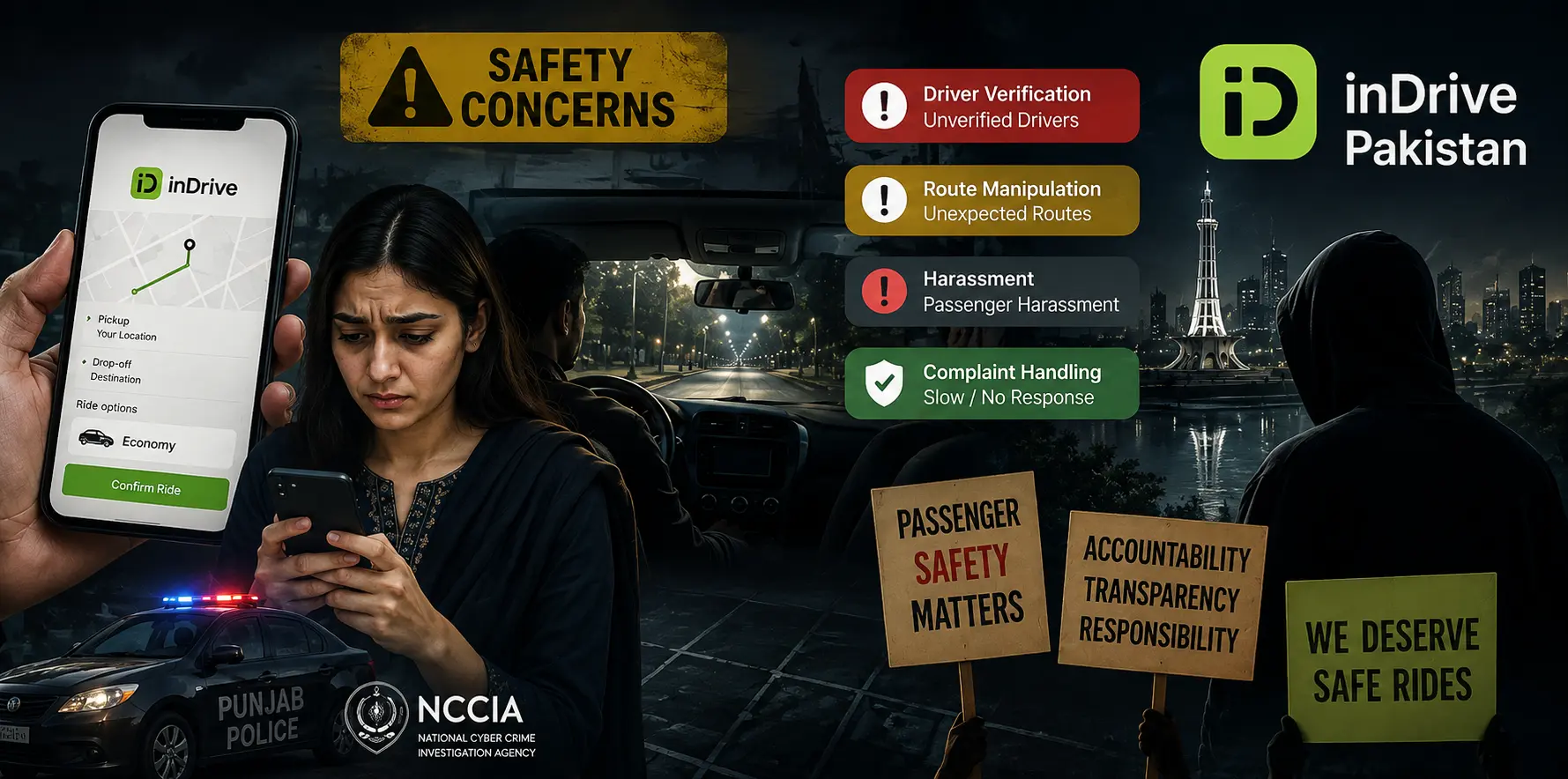

Over the past few weeks, a wave of Instagram posts tagging @indrive.pk has raised serious concerns about driver verification, complaint handling, and passenger safety on inDrive Pakistan. At least six publicly shared accounts, most of them involving women, describe journeys that allegedly became threatening, unsafe, or deeply distressing within minutes.
The most alarming account involved a passenger who claimed her driver had no identification when security guards at her residential society stopped the vehicle at the entrance. According to her, the driver was already using abusive language during a phone call and became increasingly aggressive when questioned by the guards. After she paid the fare, the driver reportedly claimed he had no change and asked her to wait. Within seconds, he allegedly began driving away while she was still inside the vehicle, telling her, “Let’s go with me.” She says she managed to escape only after her father and several neighbourhood men, who were returning from Maghrib prayers, stopped the car. She further alleged that the driver then filmed her face and threatened to circulate the footage.
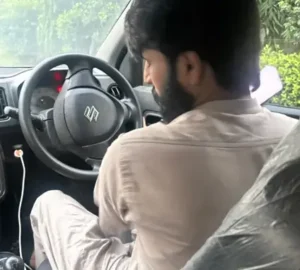 Photograph shared by the passenger, allegedly showing the driver reversing the vehicle without her consent.
According to the passenger, she reported the incident to inDrive immediately and initially received an apology through the company’s support system. However, about ten minutes later, she claimed to have received a threatening voice note from an unknown number. In the recording, the caller allegedly threatened to edit her videos and circulate both the footage and her phone number. She later filed a complaint with Pakistan’s National Cyber Crime Investigation Agency (NCCIA).
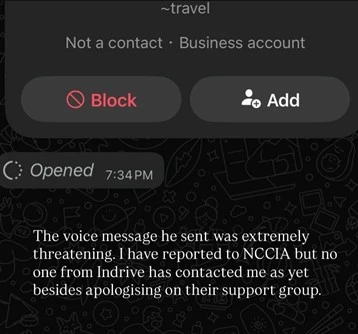 Screenshot of the complaint shared by the passenger on Instagram.
Other passengers described incidents involving vehicle mismatches and questionable route choices. One woman alleged that a driver took her and her friend through a deserted area. When they questioned the route, she claimed he became aggressive, demanded additional money for fuel, and forced them to leave the vehicle before reaching their destination. She also alleged that the vehicle, driver, and registration number did not match the details displayed in the app.
Another passenger said she booked an inDrive ride at around 11:30pm but found a black Toyota Prado with tinted windows waiting instead of the WagonR shown in the booking. According to her, the registered driver’s phone was switched off, while another individual contacted her from a different number, claiming the ride was his and that he had recently changed vehicles. Feeling unsafe, she returned to the restaurant she had exited, while the vehicle allegedly remained parked outside for nearly 30 minutes.
One of the final accounts stood out because the passenger said she received a comparatively swift response from both inDrive and the Punjab Police. She alleged that after paying the exact fare displayed in the app, the driver accused her of underpaying and refused to accept her proof of payment. According to her, he remained outside her home for nearly two hours before banging on the door, shouting, and telling neighbours and passers-by that she owed him money. She said the situation changed only after she contacted inDrive, which promptly called her, blocked the driver’s account, and coordinated with authorities. Punjab Police officers reportedly arrived soon afterwards and intervened. According to her account, the driver became apologetic once the police reached the scene.
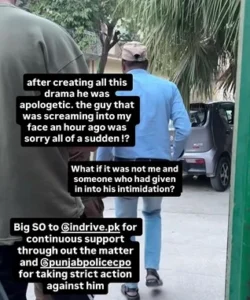
Video shared by the passenger on Instagram.
Not everyone on social media has accepted these allegations without question. Some users argued that the posts represent only one side of the story, suggesting that the drivers’ perspectives have not been heard.
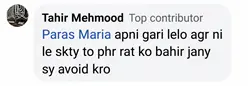
Others took a more dismissive approach, arguing that anyone concerned about safety should purchase their own vehicle instead of relying on ride-hailing services, rather than expecting platforms or drivers to be held accountable.
While these accounts remain allegations shared publicly by passengers, the growing number of similar stories has intensified calls for stronger driver verification, more effective complaint resolution, and improved passenger safety measures on ride-hailing platforms operating in Pakistan.