







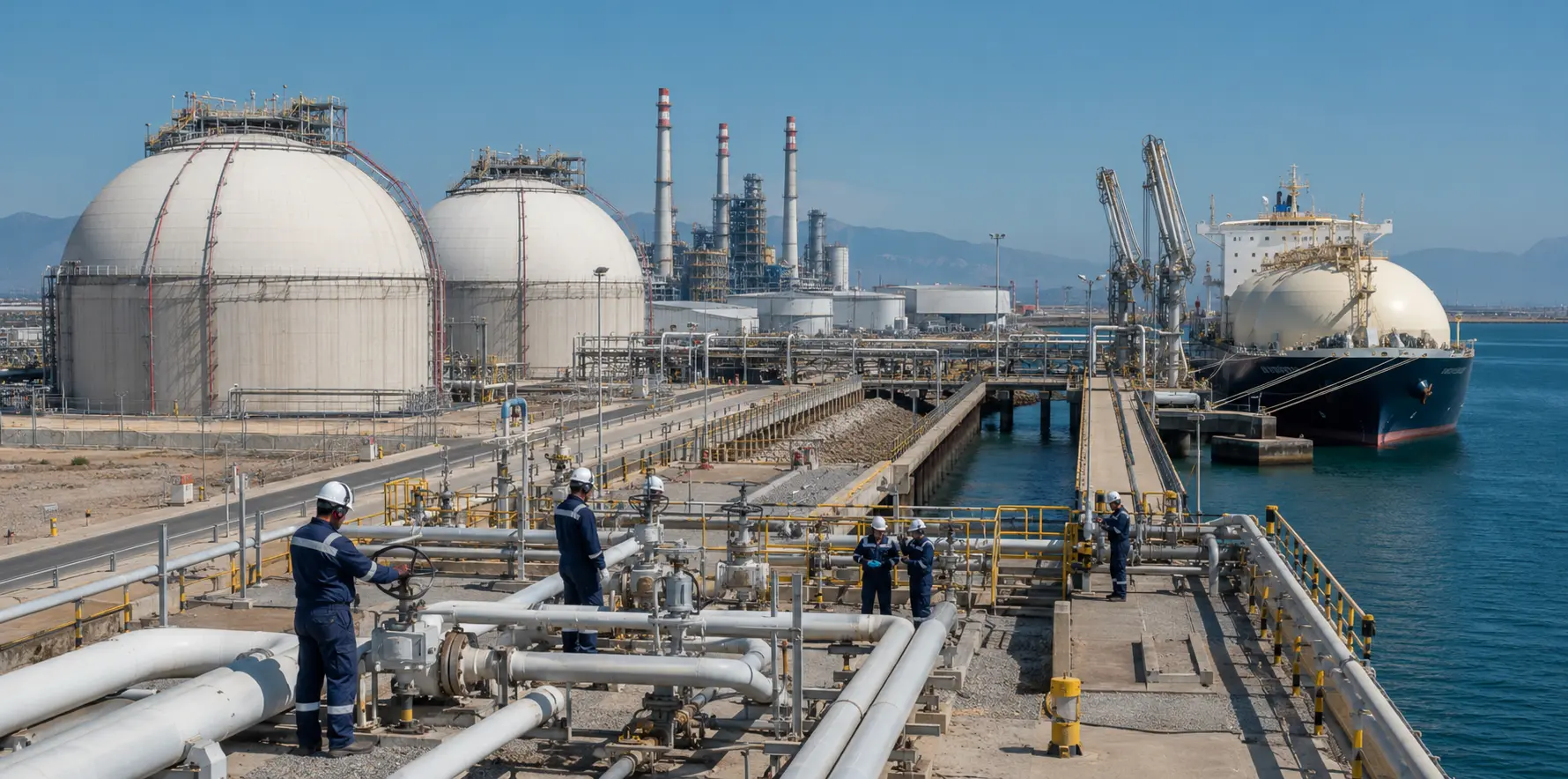

The Oil and Gas Regulatory Authority (Ogra) has announced a record 32 percent increase in Re-gasified Liquefied Natural Gas (RLNG) prices for August, pushing rates to their highest level in more than a decade and raising concerns over the potential impact on industries, electricity generation and consumer energy costs.
Under the revised pricing, RLNG for Sui Northern Gas Pipelines Limited (SNGPL) has increased to $25.83 per mmBtu, while consumers served by Sui Southern Gas Company Limited (SSGCL) will pay $25.09 per mmBtu. Based on prevailing exchange rates, the retail equivalent is approximately Rs7,204 per mmBtu.
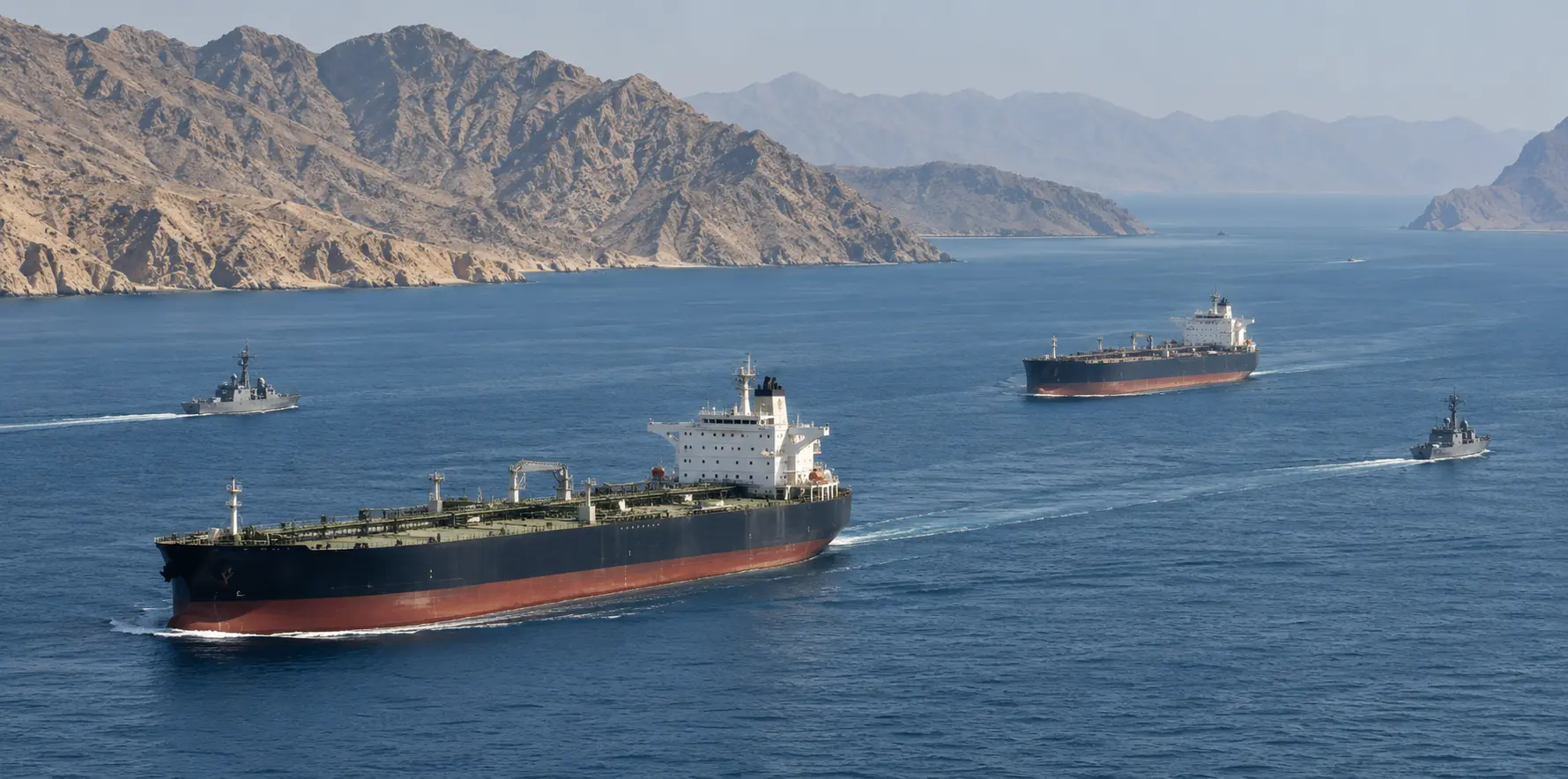
The sharp increase follows Pakistan’s decision to purchase five liquefied natural gas (LNG) cargoes from the international spot market after it was unable to secure one scheduled shipment from Qatar. The supply disruption has been linked to heightened regional tensions stemming from the US-Iran conflict, which affected LNG shipping and availability.
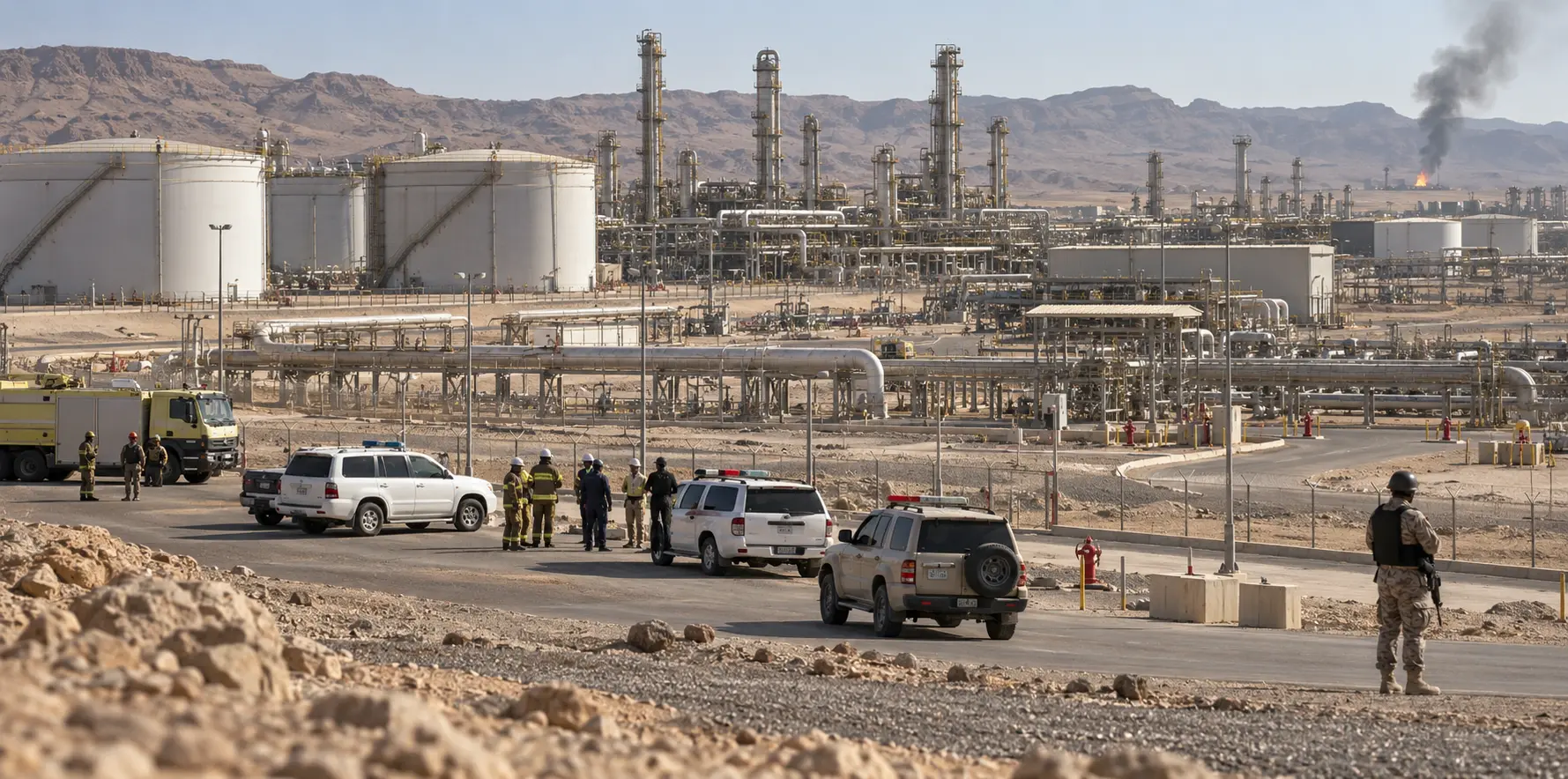
The impact is expected to extend beyond the energy sector. RLNG is a critical fuel for power plants, export-oriented industries, fertiliser manufacturers and commercial consumers. Higher fuel costs are therefore likely to increase electricity generation expenses, raise industrial production costs and place additional pressure on businesses already dealing with elevated input prices.
Alongside RLNG, liquefied petroleum gas (LPG) prices have also risen, with the notified rate increasing to Rs254.32 per kilogram. The simultaneous increase in both fuels is expected to add to inflationary pressures and household energy expenses.
Energy analysts say Pakistan’s dependence on imported LNG continues to expose the country to international market volatility and geopolitical disruptions. They argue that fluctuations in global energy prices can quickly translate into higher domestic tariffs, affecting both industrial competitiveness and consumer purchasing power.
Businesses are now closely monitoring whether the increase will lead to higher electricity tariffs or adjustments in production costs across key sectors. Manufacturers have previously warned that sustained increases in energy prices could reduce export competitiveness and slow industrial output.
While the revised RLNG prices are effective for August, market observers say future pricing will largely depend on international LNG availability, geopolitical developments and Pakistan’s ability to secure long-term supply agreements at more stable rates.