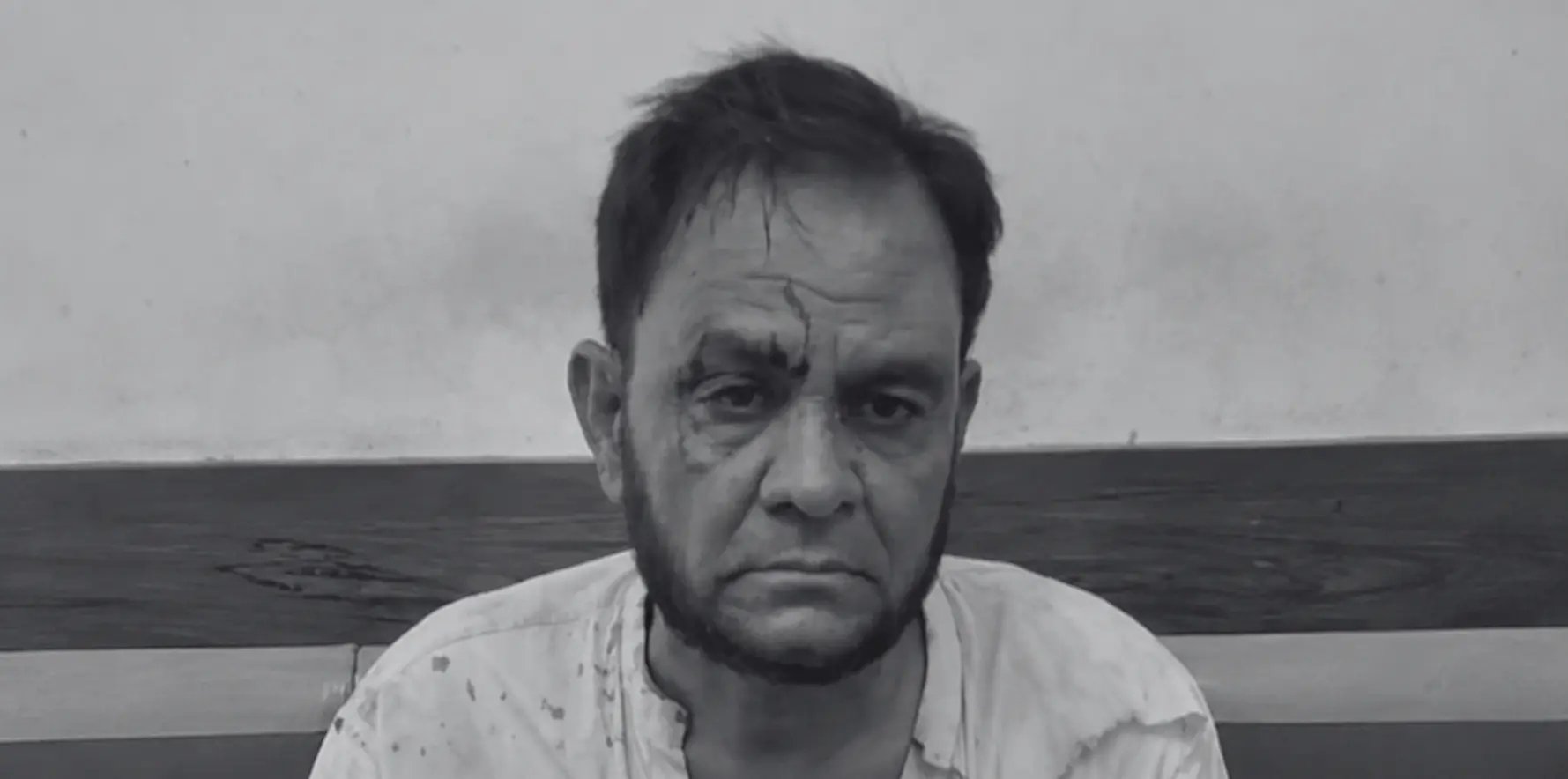










The investigation into the death of 25-year-old Karachi businessman Mir Raza Ali has taken a significant turn after an exhumation and medical examination produced findings indicating that injuries documented on his body were sustained before his death.
Raza, the owner of Wafflix, was found dead in bushes in Karachi’s Gulistan-e-Jauhar and was buried at Rehorania Masjid graveyard on July 29. Eleven days later, his body was exhumed in the presence of a medical board, police surgeon, magistrate and family members as questions surrounding the circumstances of his death intensified.
According to Dawn columnist Hira Haroon Karim, who said she reviewed the medical report, doctors confirmed that the injuries examined were ante-mortem, meaning they occurred before death. The findings supported the family’s long-standing concern that Raza had not died naturally and strengthened the basis for treating the case as a suspected killing.
The case has attracted considerable public attention in Karachi, with the family’s persistence and wider public pressure playing an important role in securing further examination of the body. Police Surgeon Dr Summaiya Syed was among the officials involved in the exhumation and medical process.
However, important questions remain unresolved. The Dawn account notes that a final official determination of precisely how Raza died had yet to be publicly announced. The police investigation into his death also remains ongoing, making it important to distinguish the medical findings from any final determination of criminal responsibility.
The case has also sparked a broader conversation about accountability and the role families and citizens can play when circumstances surrounding a death remain unclear. Public attention helped prevent Raza’s case from disappearing before key questions could be investigated further.
For investigators, the next stage will be crucial. Establishing the circumstances surrounding Raza’s final hours, determining responsibility and translating forensic evidence into a completed criminal investigation will ultimately decide whether the medical findings lead to accountability.
For Raza’s family, the exhumation has provided an important piece of evidence, but not yet closure. The investigation remains active, and any determination regarding suspects, motive or criminal liability must await official findings.