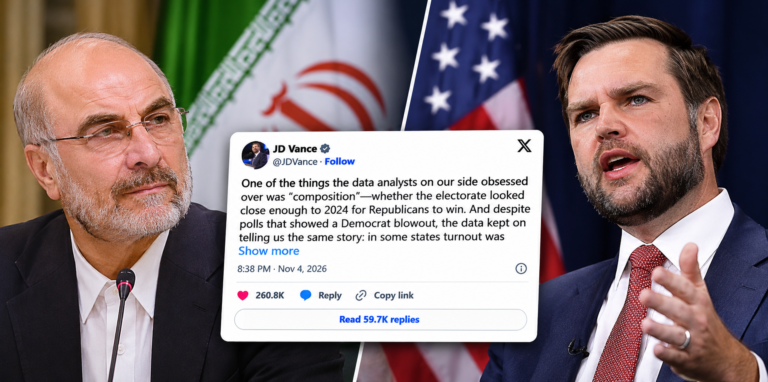


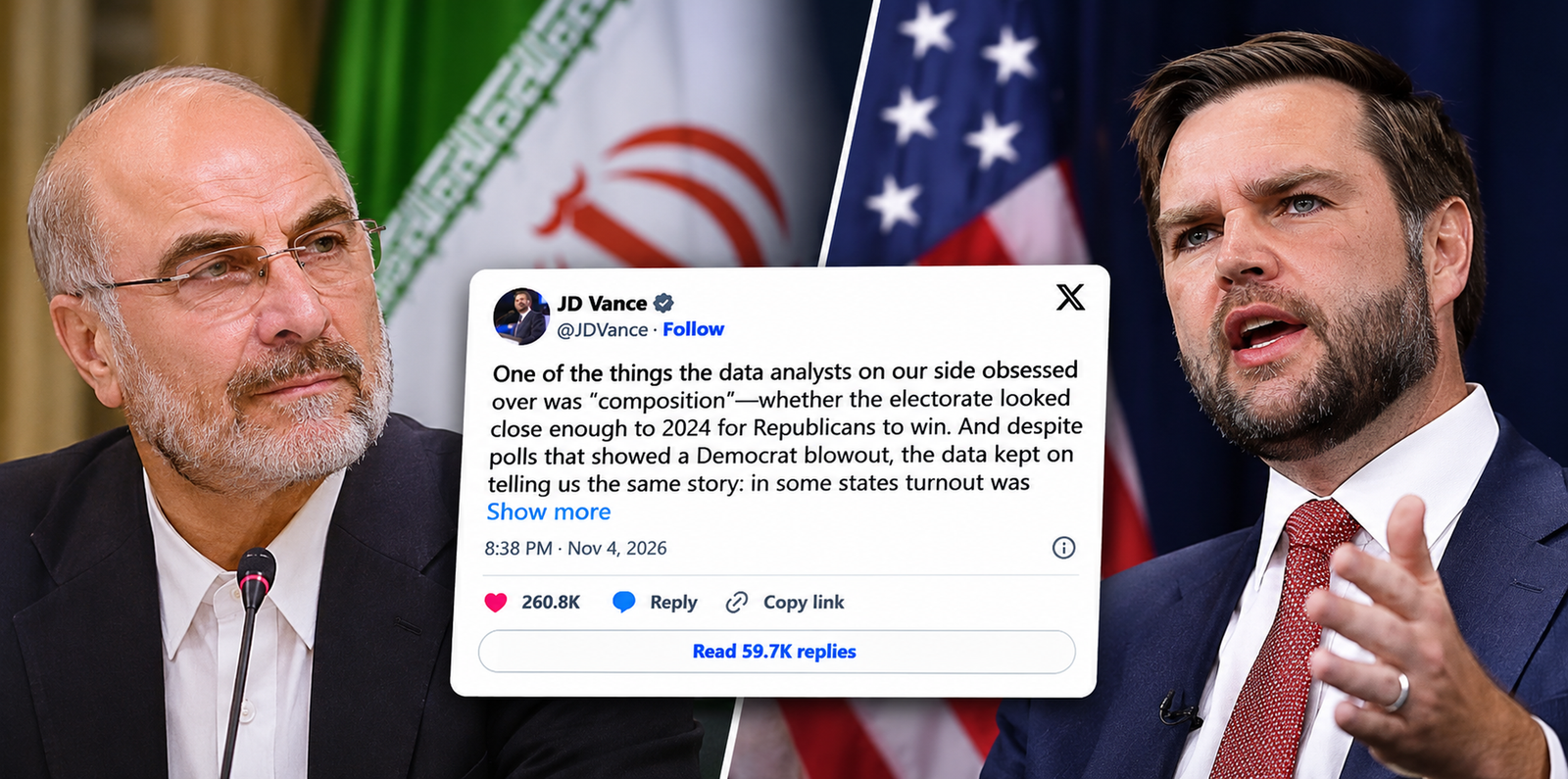

Iranian Parliament Speaker Bagher Ghalibaf has publicly criticised US Vice President JD Vance after the latter linked Republican losses in the 2026 midterm elections to the ongoing war involving Iran. In a sharp response on X, Ghalibaf described Vance’s remarks as “losing gambler energy” and questioned why the vice president was discussing the political consequences of the conflict rather than confronting President Donald Trump over his military decisions.
The exchange reflects growing political tensions surrounding the Iran war, particularly as its economic and security consequences become part of the debate in Washington. It also demonstrates how the conflict is shaping political messaging beyond the battlefield.
Ghalibaf Challenges JD Vance Over Iran War Remarks
Ghalibaf’s response followed an X post in which Vance attributed Republican electoral losses to the Iran war. The Iranian parliament speaker used the opportunity to criticise the Trump administration’s approach to the conflict.
Referring to Trump’s America-first political message, Ghalibaf accused the administration of prioritising Israel’s interests over those of the United States. He suggested that Trump was preparing another phase of military operations despite the domestic political consequences.
Ghalibaf also challenged Vance to raise his concerns directly with the president rather than discussing them publicly.
His remarks were political criticism, not evidence that the United States had formally approved another military operation.
Iran War Becomes Part of US Midterm Debate
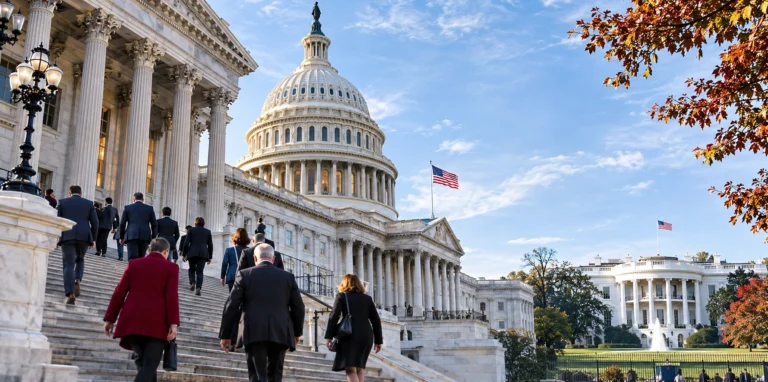
The exchange comes after Republicans suffered electoral losses during the November 3 midterm elections. Democrats gained control of the House of Representatives, changing the political balance in Washington.
Vance’s reported comments connected those losses to the war involving Iran. However, election results reflect multiple factors, including economic conditions, voter turnout, local candidates and public attitudes towards government policies.
The Iran conflict has added pressure through higher energy prices, uncertainty over international trade and concerns about American military involvement.
For voters already struggling with living costs, the economic consequences of international conflict can become an important domestic issue.
Nevertheless, attributing Republican losses entirely to the Iran war would overlook the wider political and economic circumstances surrounding the election.
Trump’s America-First Message Faces Renewed Scrutiny
Ghalibaf’s criticism focused on the relationship between Trump’s stated America-first priorities and Washington’s military involvement in the Middle East.
The president has repeatedly presented his foreign policy as serving American national interests. Critics, however, have questioned whether prolonged military involvement in regional conflicts is consistent with that position.
Ghalibaf used this argument to accuse the administration of placing Israeli security priorities ahead of American domestic concerns.
His statements reflect Tehran’s position in the confrontation and should be understood within that political context.
The disagreement also raises a broader policy question about how governments balance military commitments abroad with economic and political responsibilities at home.
Social Media Becomes Another Arena of US-Iran Tensions
The public exchange illustrates how senior political figures increasingly use social media to communicate positions during international crises.
Instead of relying exclusively on formal diplomatic statements, officials can respond directly to foreign leaders and influence political discussions across borders.
However, such exchanges can also intensify rhetoric. Short posts often simplify complicated issues, particularly when they concern military operations, elections and international alliances.
Ghalibaf’s response combined criticism of American domestic politics with Iran’s broader objections to US military policy.
The exchange did not announce a new diplomatic initiative or establish any change in the positions of Washington or Tehran.
Political Pressure Adds to Diplomatic Uncertainty
The Iran war continues to affect regional security, international shipping and energy markets. Meanwhile, the US midterm results have introduced a different political environment for Trump’s administration.
A Democratic-controlled House could increase congressional scrutiny of military spending and foreign policy decisions. However, the president retains substantial authority over diplomatic and military matters.
For Iran, the election results may influence how officials assess American domestic politics. Yet there is no confirmed indication that the public exchange between Ghalibaf and Vance has changed ongoing diplomatic discussions.
The immediate challenge remains reducing military risks while addressing the disagreements that continue to drive the conflict.
Iran War’s Political Consequences Extend Beyond the Battlefield
The exchange between Ghalibaf and Vance demonstrates how the Iran conflict has become part of the political debate in both countries.
For Washington, questions about military strategy now intersect with congressional control, economic pressure and public accountability. For Tehran, American political disagreements provide an opportunity to challenge the administration’s justification for the war.
However, social media criticism does not resolve the underlying security disputes or establish a path towards peace.
The exchange shows that the Iran war is being contested not only through military operations and diplomacy, but also through competing political narratives about its costs, objectives and consequences.