







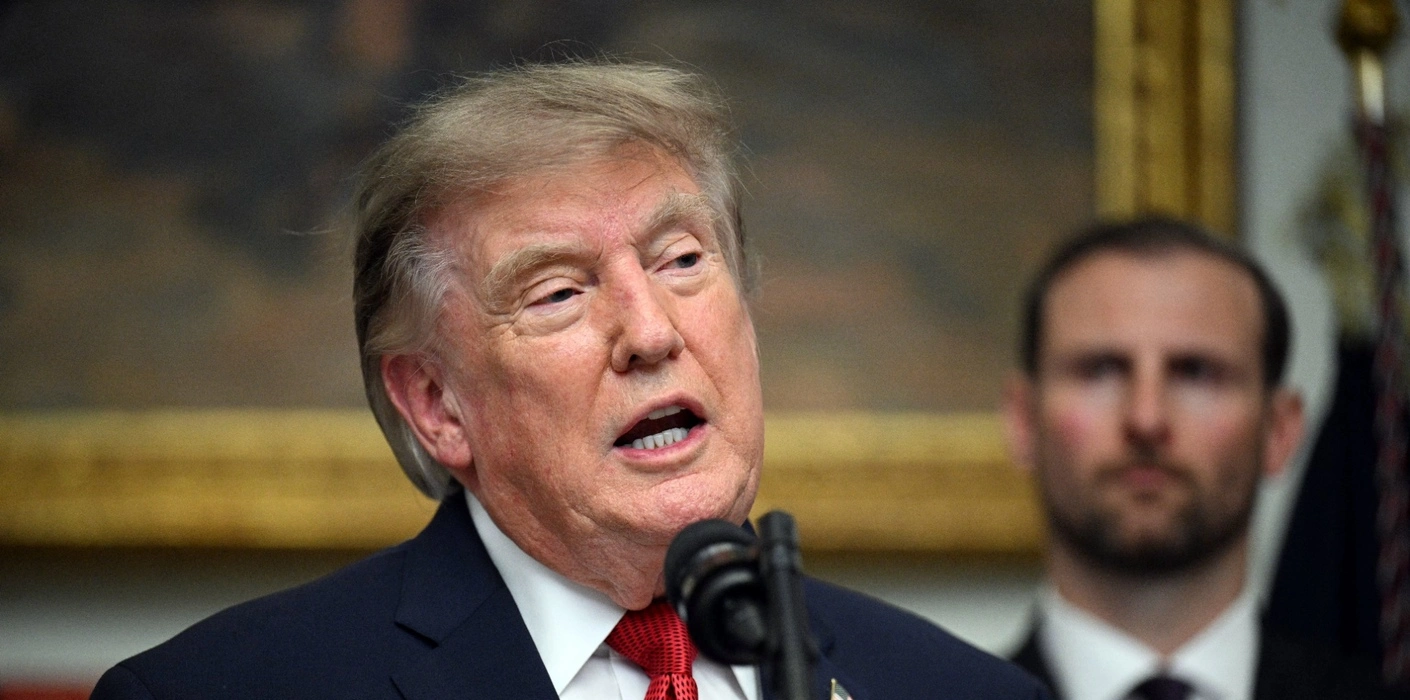

US President Donald Trump has threatened severe economic consequences against any country providing Iran with financial or commercial support, announcing an intensified campaign aimed at isolating Tehran as the conflict approaches its sixth month.
Trump announced what he called a sweeping new economic operation against Iran on Wednesday, warning that countries allowing financial institutions, businesses, airports or government entities to provide Tehran with an economic “lifeline” could themselves face punishment from Washington. He did not specify what measures would be imposed or identify individual countries that could be targeted.
The president specifically called for an end to activities including oil smuggling, swap lines, cash transfers, exchange houses, ship registries and the use of front companies. The move represents an escalation of Washington’s effort to restrict the financial networks through which Iran can continue trading despite existing sanctions.
The US Treasury has already been pursuing a sanctions campaign known as Operation Economic Fury, designed to cut Iran off from sources of funding. Treasury Secretary Scott Bessent recently signalled that Washington intended to intensify economic isolation alongside its naval pressure on Tehran.
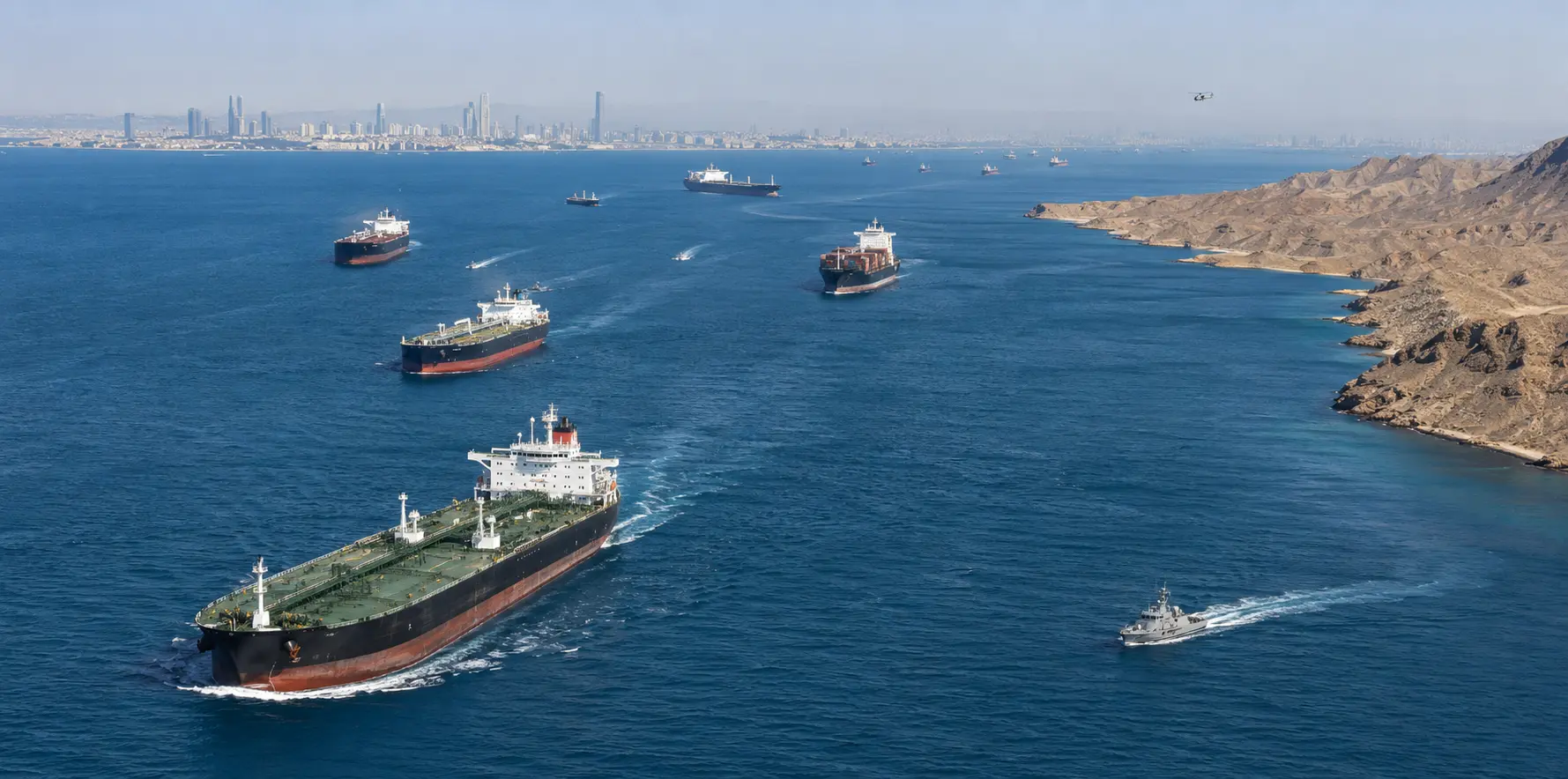
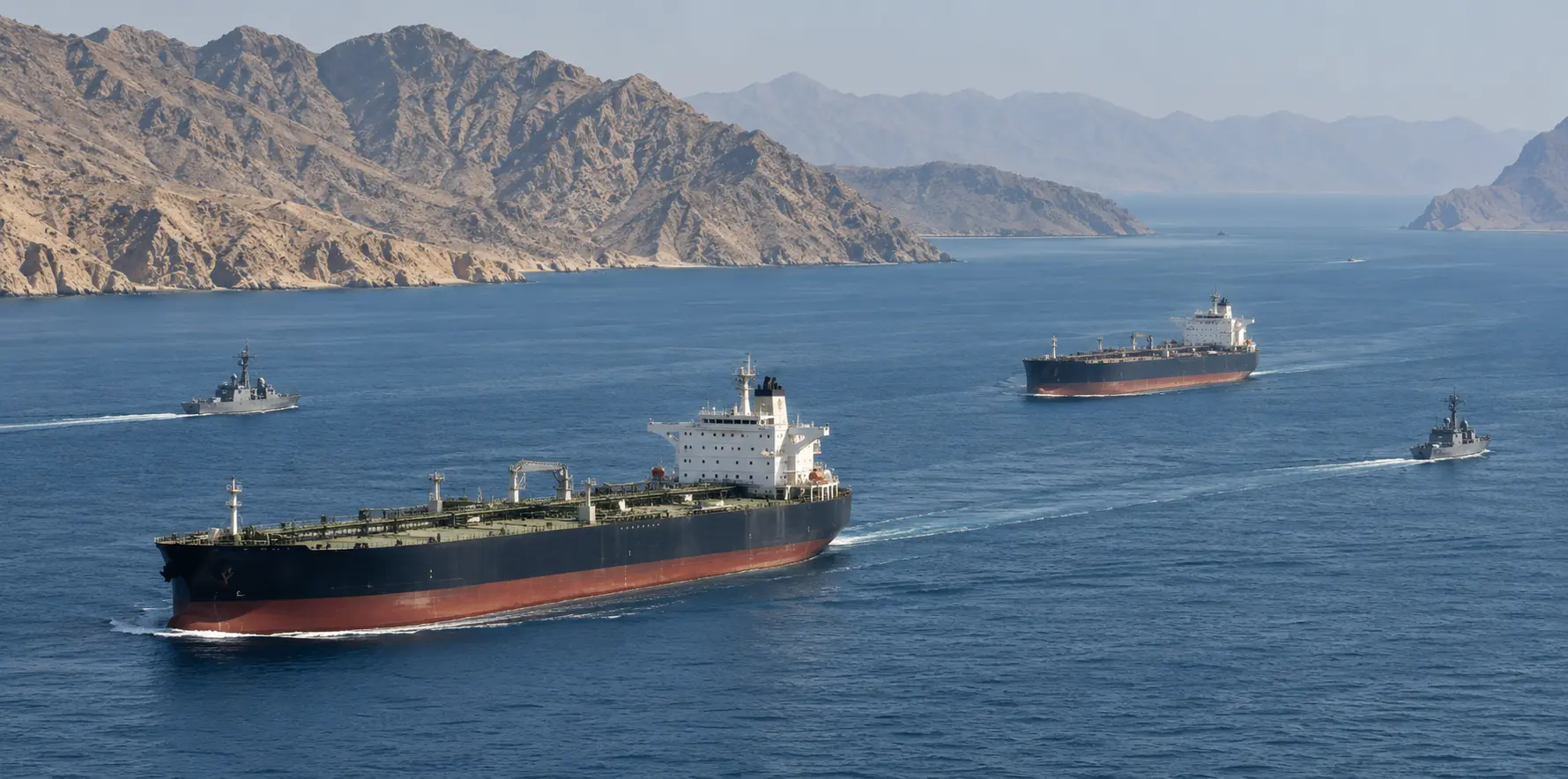
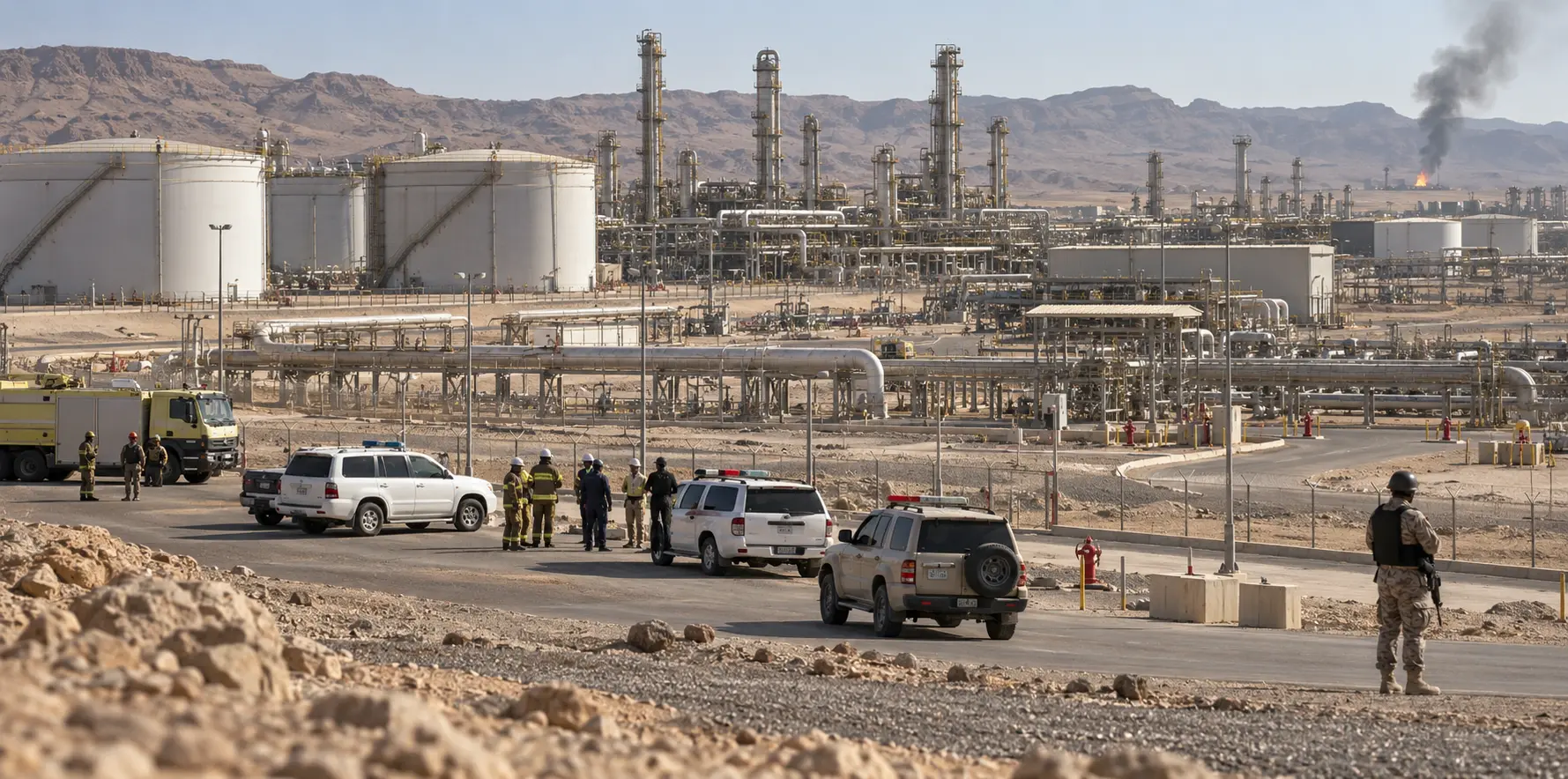
Trump’s announcement comes as the US-Iran conflict, which began with US-Israeli attacks on Iran on February 28, nears the six-month mark without a clear diplomatic resolution. Iran responded to the initial attacks with missile and drone strikes across the region, while shipping through the Strait of Hormuz has since been severely disrupted.
Washington says its military is helping commercial vessels navigate the strategic waterway. Trump claimed that significant numbers of ships were again moving through Hormuz, while Axios reported that US forces had recently been facilitating the passage of around 15 to 20 vessels each night. Oil shipments, however, were estimated at roughly half their pre-war daily volume.
Diplomatic prospects also remain uncertain. Both Washington and Tehran have acknowledged exchanges of messages in recent days, but Trump said on Tuesday that negotiations were off. His economic offensive now adds another layer of pressure at a moment when a previous framework for reopening Hormuz has already collapsed.
The threat could have implications beyond Iran. Countries maintaining financial, energy or commercial relationships with Tehran may now have to assess their exposure to possible US secondary measures, potentially affecting trade flows, shipping and energy markets.
For now, the scale of those consequences remains unclear. Trump has issued a broad warning, but Washington has yet to specify which countries, transactions or institutions will face new penalties.