






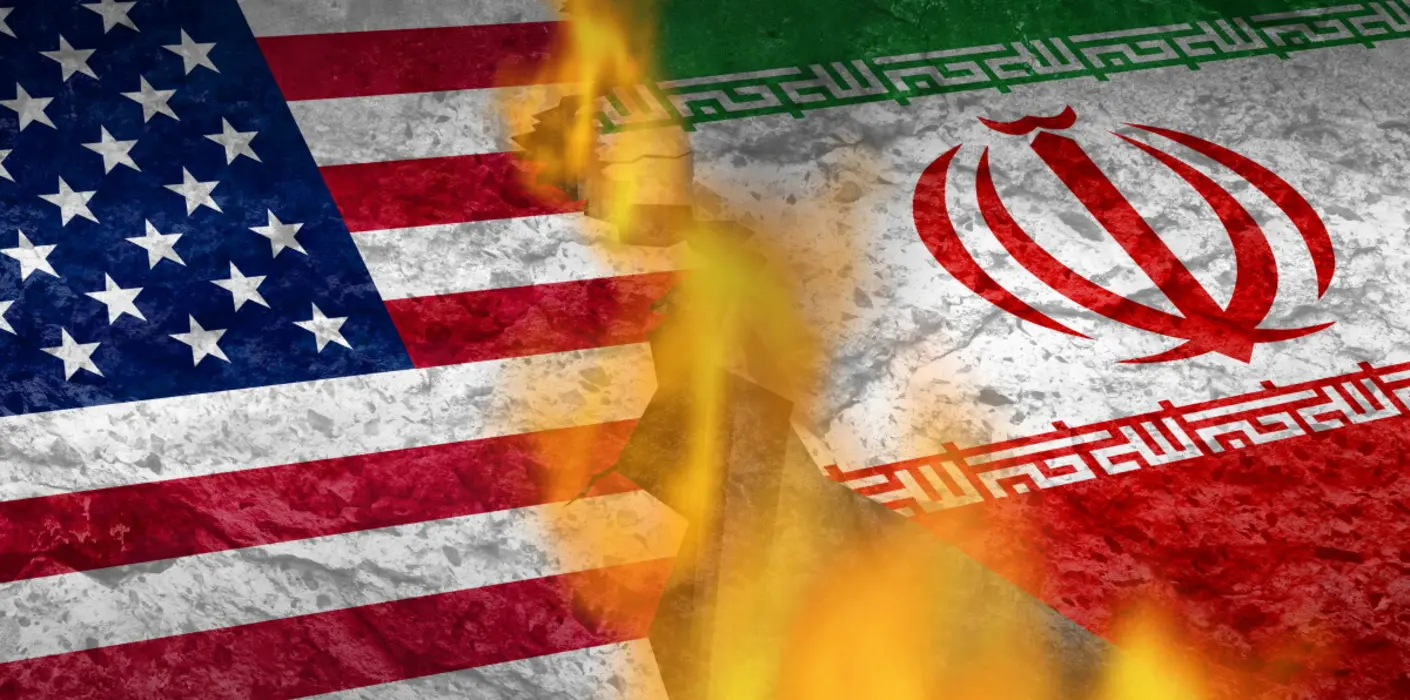

Tensions across the Middle East are rising again as Iran warns that any renewed attack could trigger a wider regional confrontation, Saudi Arabia intensifies military action against Yemen’s Houthis and Washington expands economic pressure on Tehran.
Iranian military officials issued some of their strongest warnings yet on October 6, signalling that Tehran remains prepared for another phase of fighting despite months of intermittent diplomatic efforts.
Iranian army chief Major General Ali Abdollahi said the conflict was not over and warned that the country’s armed forces would respond forcefully to any renewed threat. Separately, Major General Mohsen Rezaei said Iran could open “new fronts” and deliver a more unexpected response if its adversaries repeated what Tehran considers previous mistakes.
The warnings come as Washington increases economic pressure rather than easing its campaign.
The US Treasury has warned foreign financial institutions that they could face sanctions without advance notice if they continue conducting business with Iran or sanctioned Iranian banks. Foreign banks could also face restrictions on their access to US correspondent accounts, significantly raising the financial risks of maintaining relationships with Tehran.
Diplomatic signals, meanwhile, remain contradictory.
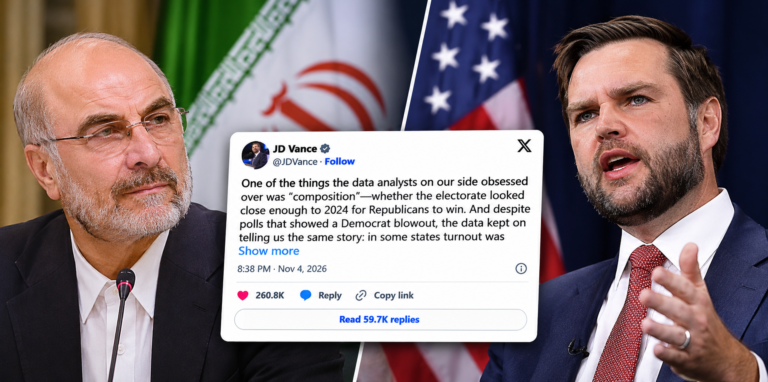
Iranian President Masoud Pezeshkian said negotiations with Washington were meaningless while the United States continued threatening Iran and pursuing what he characterised as regime change. President Donald Trump, however, said he remained open to direct negotiations with Tehran.
Trump also said he personally believed Iran was responsible for the attempted takeover of a Flydubai flight last week. The UAE-led investigation has not established Iranian responsibility, and US Vice President JD Vance has said he has not seen conclusive evidence connecting Tehran to the incident.
The confrontation is increasingly extending beyond Iran itself.
Trump confirmed that the United States moved B-1 bombers away from RAF Fairford in Britain after receiving information about a possible Iran-linked security threat. Five British men had previously been arrested near the base on suspicion of preparing terrorist acts, although the publicly available investigation has not established Iranian responsibility.
At the same time, fighting between Saudi Arabia and Yemen’s Houthis is intensifying.
Saudi authorities said King Abdullah Bin Abdulaziz International Airport in Jazan and Najran International Airport were targeted in attacks on Monday evening. Three minor injuries and limited material damage were reported.
The Saudi-led coalition has responded with strikes against Houthi military targets in Hodeida. The coalition said naval forces destroyed weapons depots, facilities used to store explosive boats and naval mines, and disrupted a planned attack against waterways in the southern Red Sea.
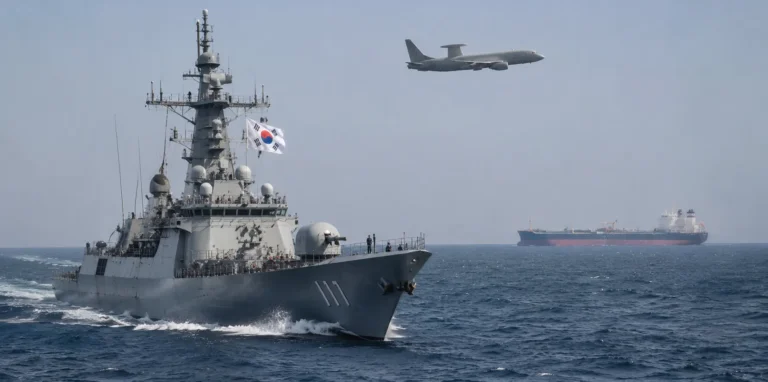
The escalation is particularly significant because Houthi forces have expanded their control along Yemen’s Red Sea coastline and around the Bab al-Mandab Strait, a critical route for global oil and cargo shipping.
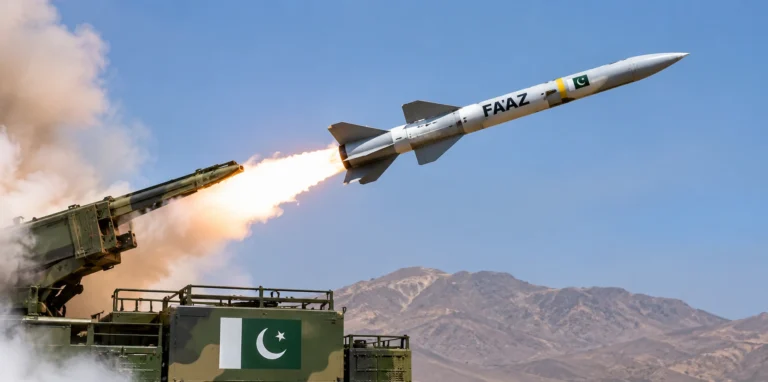
Pakistan and Türkiye are now increasingly involved through the Makkah defence framework.
Following an emergency meeting of the pact’s Strategic Political and Defence Committee, Turkish Foreign Minister Hakan Fidan said Pakistan, Türkiye and Saudi Arabia had discussed ways to support the kingdom’s defence against threats connected to Yemen. The three countries also examined diplomatic options for resolving the conflict through negotiations.
The talks do not themselves confirm a Pakistani or Turkish military deployment. They show that the alliance is now actively considering how its collective-defence framework could support Saudi Arabia while simultaneously pursuing a negotiated solution.
Despite the escalating security situation, global energy flows have shown surprising resilience.
Middle Eastern petroleum shipments exceeded pre-conflict levels on four days late last month, according to maritime tracking data cited by Reuters. Brent crude was trading around $100.28 a barrel early Tuesday, while US West Texas Intermediate stood near $89.33.
Those figures suggest energy markets are receiving more supply than during some earlier stages of the conflict, helped by continued shipments and the release of G7 strategic reserves.
But the improvement should not be mistaken for a return to stability.
Houthi attacks on Saudi infrastructure, continued security risks around Hormuz and Bab al-Mandab, tougher US sanctions and Iran’s threats of a wider response mean the region remains vulnerable to another sudden escalation.
The conflict is now operating across several fronts at once: Washington is tightening economic pressure on Tehran, Iran is warning that future attacks could expand the war, Saudi Arabia is intensifying its campaign against the Houthis, and Pakistan and Türkiye are considering how to support Riyadh under their new defence framework.
The most important question is no longer simply whether Washington and Tehran return to negotiations. It is whether diplomacy can move quickly enough to prevent these interconnected confrontations from becoming one wider regional war.