







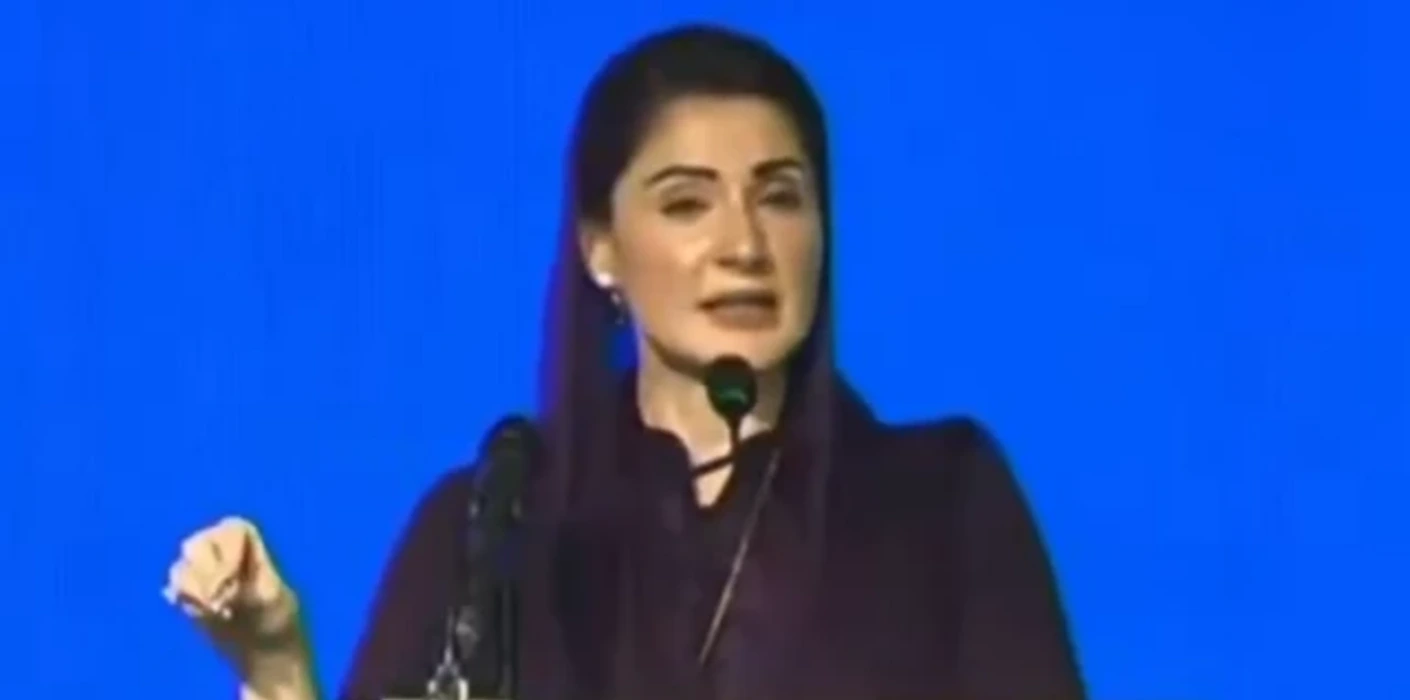

Punjab Chief Minister Maryam Nawaz has directed officials to prepare a Punjab film royalty law to protect artists’ earnings and strengthen Pakistan’s entertainment industry. The government has also approved financial incentives for Punjabi and Urdu films. These measures aim to revive local cinema, attract investment and restore Lahore’s position as a major filmmaking centre.
Senior Minister Marriyum Aurangzeb announced the initiatives during the first meeting of the Punjab Film Authority in Lahore. Officials discussed the proposed legislation, production rebates and plans for modern filmmaking facilities. The royalty bill will be presented at the authority’s next meeting for consideration.
Punjab Film Royalty Law Aims to Protect Artists
The proposed Punjab film royalty law could improve financial protection for actors, writers, directors and other creative professionals. For years, Pakistani artists have raised concerns about receiving fair compensation when their work generates revenue through repeat broadcasts, streaming and international distribution.
Royalties allow eligible rights holders to receive payments when their creative work is reused or commercially distributed. However, payment arrangements depend on copyright laws, contracts and ownership rights.
The proposed legislation could establish clearer rules for royalty payments within Punjab’s film industry. However, officials have not yet announced who will qualify, how payments will be calculated or how the law will be enforced.
The government has directed officials to prepare the legislation, but the Punjab film royalty law has not yet been enacted.
Punjabi Films Get 35% Rebate, Urdu Films 20%
The Punjab government has approved new production incentives to encourage filmmaking in the province. Under the announced policy, Punjabi-language films produced in Punjab will qualify for a 35% rebate. Meanwhile, Urdu-language productions will receive a 20% rebate.
These incentives aim to reduce production costs and attract investment. They could also encourage producers to shoot more films in Punjab rather than seeking alternative locations.
However, the government has not yet announced the eligibility requirements or application process. Officials must still clarify which production expenses will qualify for rebates.
The incentives could support local filmmakers, but their effectiveness will depend on transparent procedures and timely implementation.
Lahore Film City Set for December 15 Inauguration
The government plans to inaugurate Lahore Film City on December 15, 2026. The project aims to provide modern facilities for filmmaking, training and post-production.
The proposed complex will include a film and music school, film museum, film trading house and professional studios. Plans also feature post-production facilities and a large convention centre.
These facilities could help filmmakers access equipment, technical services and professional training within one location. Additionally, the project could create employment opportunities for actors, technicians, editors and production teams.
Marriyum Aurangzeb said the initiative would support Lahore’s cultural and tourism industries. However, the planned inauguration does not guarantee that every facility will become operational immediately.
Punjab Film Authority Plans Cinema Revival
The Punjab Film Authority has approved several measures to modernise the province’s film industry. These include restoring older cinemas, introducing online ticket booking and installing solar energy systems.
The authority also plans to introduce a digital one-window service for filmmakers. Through this platform, production companies will be able to explore shooting locations and access relevant information more easily.
Such improvements could reduce administrative difficulties and encourage more film production.
Meanwhile, the authority’s proposed budget of over Rs589 million for the 2026-27 financial year has been referred to the financing committee. Officials have also approved the recruitment of 26 employees during the first phase, against 53 sanctioned positions.
Training Programmes to Support Young Filmmakers
Punjab has approved a training programme to improve technical skills among emerging filmmakers. International experts are expected to provide instruction in modern production methods and filmmaking technologies.
The programme could benefit young professionals interested in directing, cinematography, editing and other creative fields. It may also help local production teams meet international technical standards.
However, access to training will remain important. The programme’s success will depend on its affordability, quality and availability to aspiring filmmakers across the province.
Punjab Targets Growth in Screen Tourism
The provincial government has also announced a five-year plan to establish Punjab as an international screen tourism destination.
Screen tourism attracts visitors to locations featured in films and television productions. Punjab’s historic buildings, cultural landmarks and diverse landscapes could offer opportunities for domestic and international filmmakers.
The government hopes improved infrastructure and financial incentives will attract more productions. As a result, local businesses, tourism operators and creative professionals could benefit from increased filming activity.
However, achieving these goals will require sustained investment, effective promotion and cooperation between tourism authorities and the entertainment industry.
Film Royalty Law Could Strengthen Pakistani Cinema
The proposed Punjab film royalty law is part of a wider effort to improve conditions for Pakistan’s film industry. Alongside production rebates, training programmes and Lahore Film City, the legislation could create new opportunities for creative professionals.
For artists, clear royalty rules could provide stronger financial protection. For producers, rebates and modern facilities could help reduce costs. Meanwhile, cinema restoration could improve the viewing experience and encourage audiences to support local films.
Nevertheless, several important steps remain. The royalty bill must be drafted and approved, rebate procedures need clarification, and planned infrastructure must become operational.
The government’s announcements represent potential progress, but their long-term impact will depend on implementation. For Pakistan’s film industry, meaningful reform will require more than new facilities and financial incentives. It will also require fair compensation, sustainable opportunities and stronger protection for the people behind every production.