









Pakistan Army Major Wajahat Waheed was martyred and four suspected militants were killed during separate intelligence-based operations in Balochistan, the military’s media wing said on Monday, October 19.
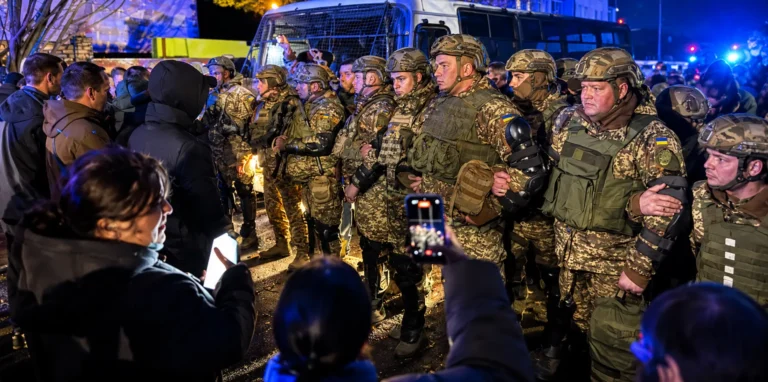
According to the Inter-Services Public Relations (ISPR), security forces conducted operations in Jattakabad in Kalat district and the Shadi Kaur and Pasni areas of Gwadar following intelligence reports about militant hideouts.
The operations took place amid intensified counterterrorism activity across Balochistan, where militant attacks have continued to threaten security personnel and civilian communities.
Major Wajahat Waheed Martyred in Gwadar Operation
Major Wajahat Waheed, 34, a resident of Lahore, was leading a clearance operation in the Shadi Kaur area of Pasni when an improvised explosive device (IED) detonated, according to ISPR.
The explosion claimed his life during the operation.
In a separate intelligence-based operation conducted on October 18 in Jattakabad, Kalat, security forces killed four suspected militants. ISPR said a substantial cache of weapons and ammunition was recovered from the site.
The military identified the militants as members of Fitna al Hindustan, a designation used by Pakistani authorities for Balochistan-based militant groups that Islamabad accuses of receiving Indian support. The alleged foreign sponsorship was not independently established in the report.
President Zardari and PM Shehbaz Pay Tribute
President Asif Ali Zardari and Prime Minister Shehbaz Sharif expressed condolences over Major Waheed’s death and commended the security forces for their operations.
Both leaders reaffirmed their commitment to counterterrorism efforts and expressed solidarity with the families of security personnel killed in the line of duty.
President Zardari said Pakistan would continue confronting militant networks and their alleged foreign supporters, while Shehbaz reiterated the government’s determination to eliminate terrorism.
ISPR also confirmed that further clearance operations would continue to locate any remaining militants in the affected areas.
Counterterrorism Operations Intensify Across Balochistan
The latest incidents follow several security operations across the province.
On October 18, security forces reportedly killed eight militants during intelligence-based operations in Quetta, Nushki and Khuzdar districts.
Earlier, five militants were killed during an operation in Washuk on the night of October 12 and 13. Balochistan authorities also recently announced the arrest of several suspected militants, including individuals allegedly linked to the banned Tehreek-e-Taliban Pakistan (TTP).
The continuing operations reflect the security challenges facing the province, where militant activity has affected law enforcement, transport routes and infrastructure development.
According to the Pakistan Institute for Conflict and Security Studies (PICSS), Balochistan recorded 89 militant attacks in August, compared with 83 in July, representing an increase of approximately seven percent.
Security Challenges Continue Across the Province
Balochistan’s security situation remains a concern because of its vast geography, remote settlements and strategically important transport and economic corridors.
Militant attacks can disrupt everyday life, restrict commercial activity and complicate infrastructure development, particularly in districts where security forces conduct frequent operations.
The military says its counterterrorism campaign will continue under the Azm-e-Istehkam framework, which forms part of Pakistan’s broader National Action Plan against militancy.
For residents, the longer-term measure of progress will be whether these operations lead to fewer attacks, safer transport routes and greater stability in affected communities.
The latest operations have resulted in the reported deaths of four militants and Major Wajahat Waheed. While security forces continue their efforts across Balochistan, the loss of another military officer reflects the human cost of Pakistan’s continuing fight against militancy.