







Few footballers have defined an era the way Cristiano Ronaldo has.
For more than two decades, the Portuguese superstar has broken records, won major club trophies, inspired generations of footballers and built one of the most remarkable careers the sport has ever witnessed. Yet there is one achievement that has remained beyond his reach: lifting the FIFA World Cup.
For many players, the World Cup is considered the ultimate prize in international football. Legends are often remembered by what they achieved on its biggest stage, making Ronaldo’s career unique. Despite winning almost everything else, football’s most prestigious trophy continues to elude him.
That absence, however, has done little to diminish his place among the game’s all-time greats.
Ronaldo’s journey began on the Portuguese island of Madeira before taking him to Sporting CP, where his talent quickly attracted Europe’s biggest clubs. His move to Manchester United introduced him to the global stage, but it was at Real Madrid where he transformed from a world-class player into a footballing phenomenon.
Season after season, he delivered goals with extraordinary consistency. His athleticism, relentless work ethic and ability to perform under pressure helped him become one of the highest-scoring players in football history. Successful spells with Juventus and a return to Manchester United further strengthened a career built on longevity as much as brilliance.
His influence has never been limited to club football.
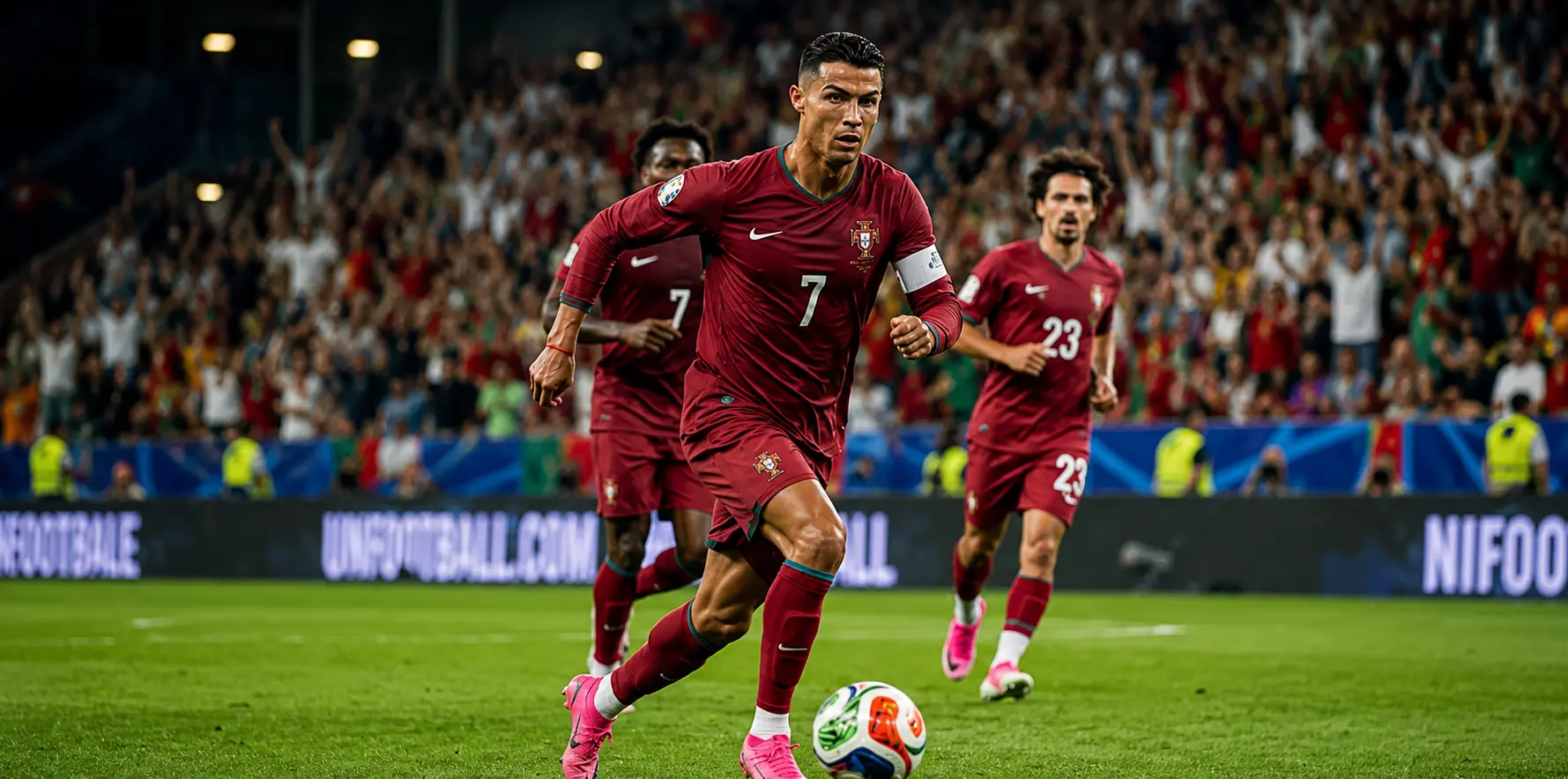
Representing Portugal became one of the defining chapters of his career. Ronaldo evolved from a gifted teenager into the nation’s captain and inspirational leader, helping Portugal achieve milestones that once seemed unimaginable.
Among the most memorable came Portugal’s victory at the UEFA European Championship in 2016. Despite suffering an injury during the final, Ronaldo remained on the sidelines, passionately encouraging his teammates as Portugal defeated France to secure the country’s first major international trophy. Three years later, Portugal added the inaugural UEFA Nations League title, further cementing one of the most successful periods in the nation’s football history.
His individual achievements are equally extraordinary.
Ronaldo has scored more international goals than any player in men’s football and has become one of the most-capped international footballers ever. He has won multiple Ballon d’Or awards, Champions League titles and domestic league championships across England, Spain and Italy while continuing to perform at the highest level well into his late thirties.
Yet football has always measured greatness differently.
For some supporters, a World Cup trophy represents the ultimate benchmark. Comparisons between football’s greatest players often return to international success, placing additional attention on Ronaldo’s World Cup record. Portugal came close on several occasions but never managed to reach a final during his career, despite consistently qualifying for the tournament.
Football, however, remains the ultimate team sport.
Unlike tennis or athletics, where individuals largely determine their own destiny, winning a World Cup depends on an entire squad, tactical preparation, injuries, form and often a measure of fortune. Many legendary players—including Johan Cruyff, Ferenc Puskás, Alfredo Di Stéfano and George Best—never lifted the World Cup, yet their places in football history remain unquestioned.
Ronaldo’s career belongs comfortably in that company.
Beyond statistics and trophies, his greatest contribution may be the standards he established. Few athletes have demonstrated the same commitment to physical fitness, discipline and continuous improvement over such a long period. His professionalism has influenced teammates and inspired countless young players to pursue excellence with similar dedication.
His impact extends beyond the football pitch.
Ronaldo has become one of the world’s most recognisable athletes, using his global platform to support charitable causes, promote youth participation in sport and expand football’s popularity across new audiences. His influence on social media has also redefined how modern athletes connect with supporters around the world.
For Portugal, his legacy reaches even deeper.
He helped transform the country’s footballing ambitions. Generations of Portuguese players grew up believing that competing for major international honours was realistic rather than aspirational. That cultural shift may ultimately prove as valuable as any trophy.
As Ronaldo approaches the final chapter of his remarkable playing career, debates about his place among football’s greatest players will continue. Some will argue that the absence of a World Cup leaves one final gap in an otherwise extraordinary résumé. Others will point to the unprecedented records, remarkable longevity and sustained excellence that have already secured his legacy.
Both perspectives acknowledge the same reality.
Cristiano Ronaldo changed football.
Very few athletes remain among the world’s elite for more than twenty years. Even fewer continue breaking records across multiple leagues, international tournaments and different generations of opponents.
Whether or not a FIFA World Cup trophy is ever added to his collection, Ronaldo’s career has already become one of the defining stories in modern sport.
Greatness is measured in many ways.
For Cristiano Ronaldo, it will be remembered through unforgettable goals, relentless ambition, remarkable consistency and an influence that extended far beyond the game itself.