



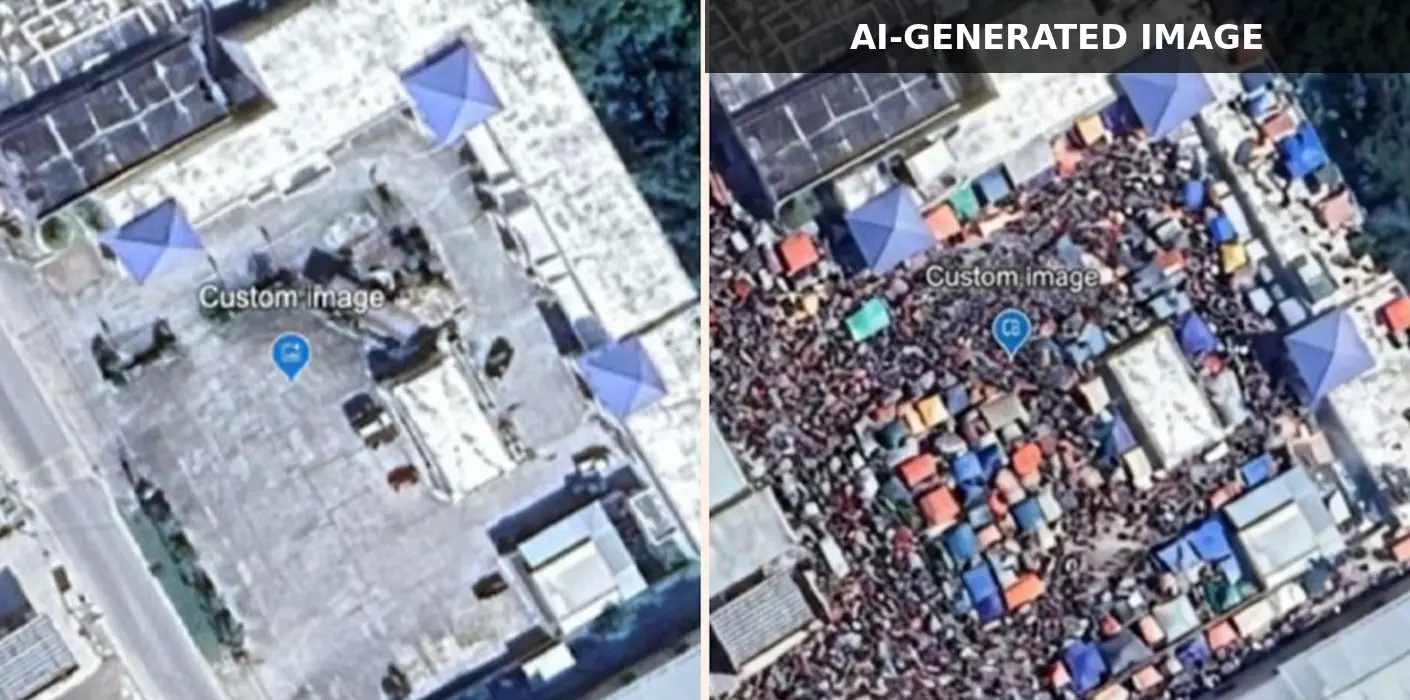

Google has introduced a new artificial intelligence-powered “create image” feature for Google Earth, allowing users to generate realistic visualisations using the platform’s satellite, aerial and 3D mapping data. While the feature showcases advances in AI-assisted mapping, researchers and digital verification experts say it also raises new concerns about distinguishing authentic satellite imagery from AI-generated content.
The new capability is powered by Google’s Nano Banana 2 image generation technology, enabling users to create highly detailed visual representations based on geographic locations. Google says the feature is designed to expand creative possibilities and improve visualisation tools for users working with mapping and location-based content.
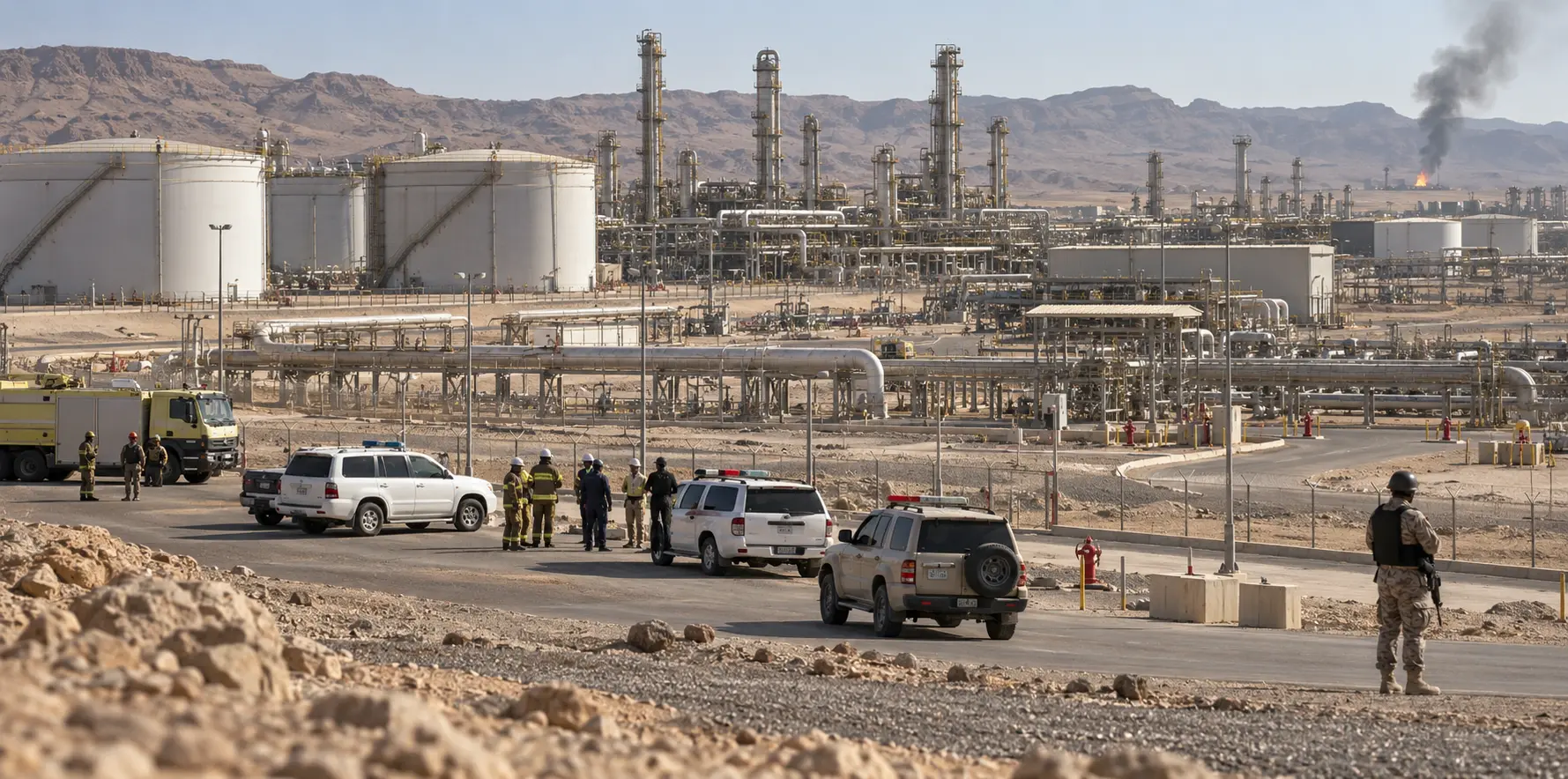
However, experts caution that increasingly realistic AI-generated satellite imagery could blur the distinction between authentic geographic data and synthetic visuals. Google Earth has long been regarded as a trusted source for verifying events such as armed conflicts, environmental damage, infrastructure development and natural disasters. The ability to generate convincing artificial imagery could complicate that role if AI-created visuals are mistaken for genuine satellite photographs.
Researchers stress that their concerns focus on the potential for misuse rather than any documented cases involving the new feature. They argue that clearer provenance labels, watermarking systems and stronger image-authentication standards will become increasingly important as generative AI tools continue to evolve.
The development also has broader implications beyond public use. News organisations, insurance companies, intelligence analysts, emergency responders and mapping firms frequently rely on satellite imagery for verification and decision-making. As AI-generated visualisations become more sophisticated, organisations may need additional verification processes to ensure the authenticity of geographic imagery.
Technology analysts say the launch reflects a broader challenge facing the AI industry: balancing innovation with trust. While AI-powered mapping can improve education, urban planning and creative applications, experts believe transparent labelling and responsible deployment will be essential to maintaining confidence in visual evidence.
Although Google’s new feature has been officially launched, specialists emphasise that concerns currently centre on its future misuse rather than any confirmed disinformation campaign. The debate is expected to shape future discussions around AI governance, digital verification and the role of trusted imagery in an increasingly synthetic online environment.