







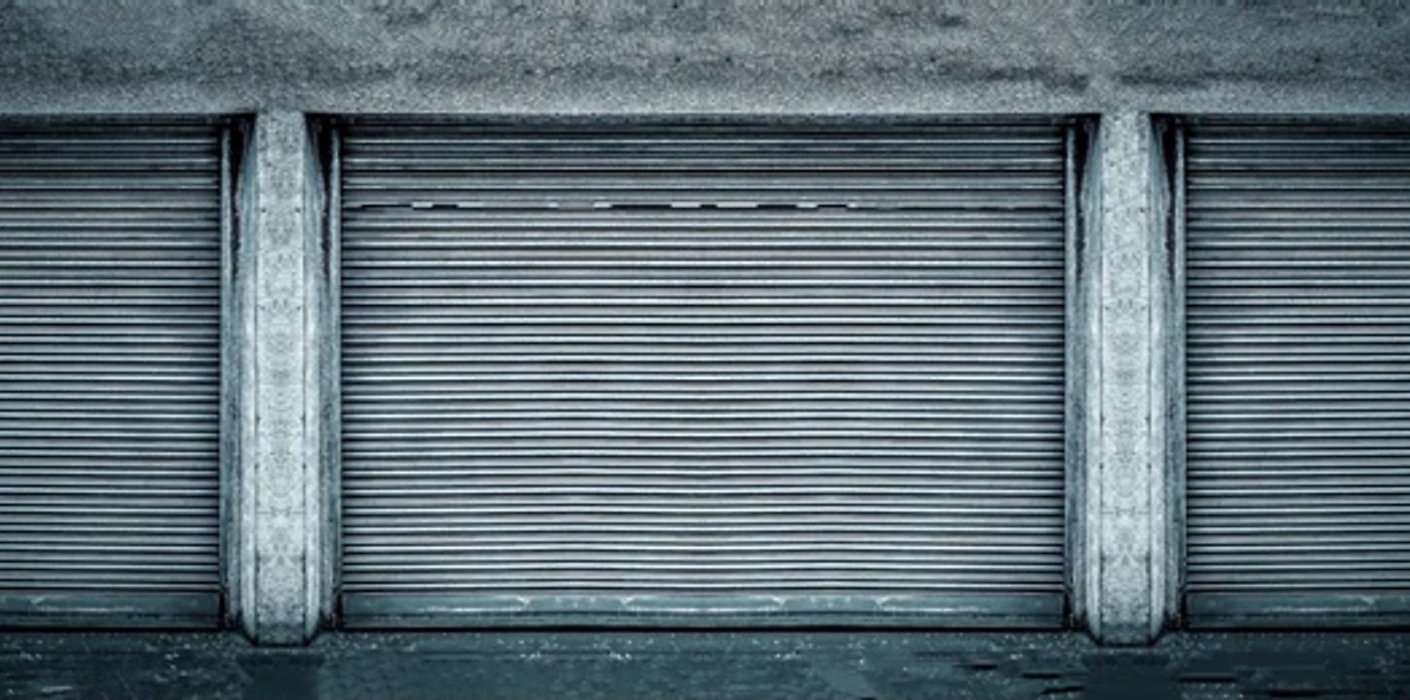

Jamaat-e-Islami’s nationwide shutter-down strike against the petroleum levy, rising fuel prices and inflation received a mixed response across Pakistan on Thursday, with substantial closures reported in parts of Sindh and Khyber Pakhtunkhwa while business activity largely continued in Punjab and Balochistan.
The September 3 strike is the latest stage of JI’s campaign against the government’s petroleum levy and the rising cost of living. The party has also been holding sit-ins in provincial capitals since August 16 over the same demands.
Karachi saw some of the strongest participation. JI Karachi chief Munim Zafar claimed more than 300 small and large markets were closed, while major commercial areas including Federal B Area, Water Pump, Liaquatabad and Teen Hatti were reported largely shut. The Akbar Road motorcycle market also remained closed.
The Karachi Bar Association backed the protest and announced a peaceful rally against inflation. The Orange Line BRT remained suspended from the morning because of a JI sit-in, although the Green Line continued operating normally.
Elsewhere in Sindh, participation varied considerably. Parts of Hyderabad observed closures, while Thatta, Larkana and Hala reported more extensive shutdowns. Commercial centres also remained closed in parts of Badin and Shikarpur.
In Tharparkar, JI workers staged a symbolic protest at Kashmir Chowk by selling petrol to residents at Rs225 per litre.
Khyber Pakhtunkhwa also recorded a mixed response. Most shops on Peshawar’s Ashraf Road were closed, but businesses remained open in Qissa Khwani, Saddar and University Road. Lawyers boycotted court proceedings in support of the protest.
Lower Dir reported a complete strike, while markets in Batkhela, Dargai, Sakakot and Thana Baizai were also closed. Dera Ismail Khan, however, largely continued normal commercial activity.
The strike appeared to have considerably less impact in Punjab. Major markets in Rawalpindi, including Raja Bazaar, Commercial Market and areas along Murree Road, remained open, while traffic continued normally.
Tensions emerged in Lahore, where JI workers and traders confronted each other on Mall Road over the strike. The dispute developed into a scuffle and prompted a heavier police presence.
Business activity also largely continued in Balochistan. Most markets in Quetta remained open, although Khuzdar recorded significant closures and JI established a protest camp at Azadi Chowk.
The uneven participation is important because JI has presented the strike as part of a broader pressure campaign rather than a standalone protest.
Party emir Hafiz Naeemur Rehman has said JI will determine its next course of action after assessing the nationwide strike. He has also raised the possibility of consulting opposition parties over a long march if the dispute with the government remains unresolved.
At the same time, there are indications that political negotiations could continue alongside street protests. Hafiz Naeem said the government had contacted JI and expressed hope that a government team would visit the party’s Mansoora headquarters in Lahore for talks. He maintained that the sit-ins would continue while negotiations were underway.
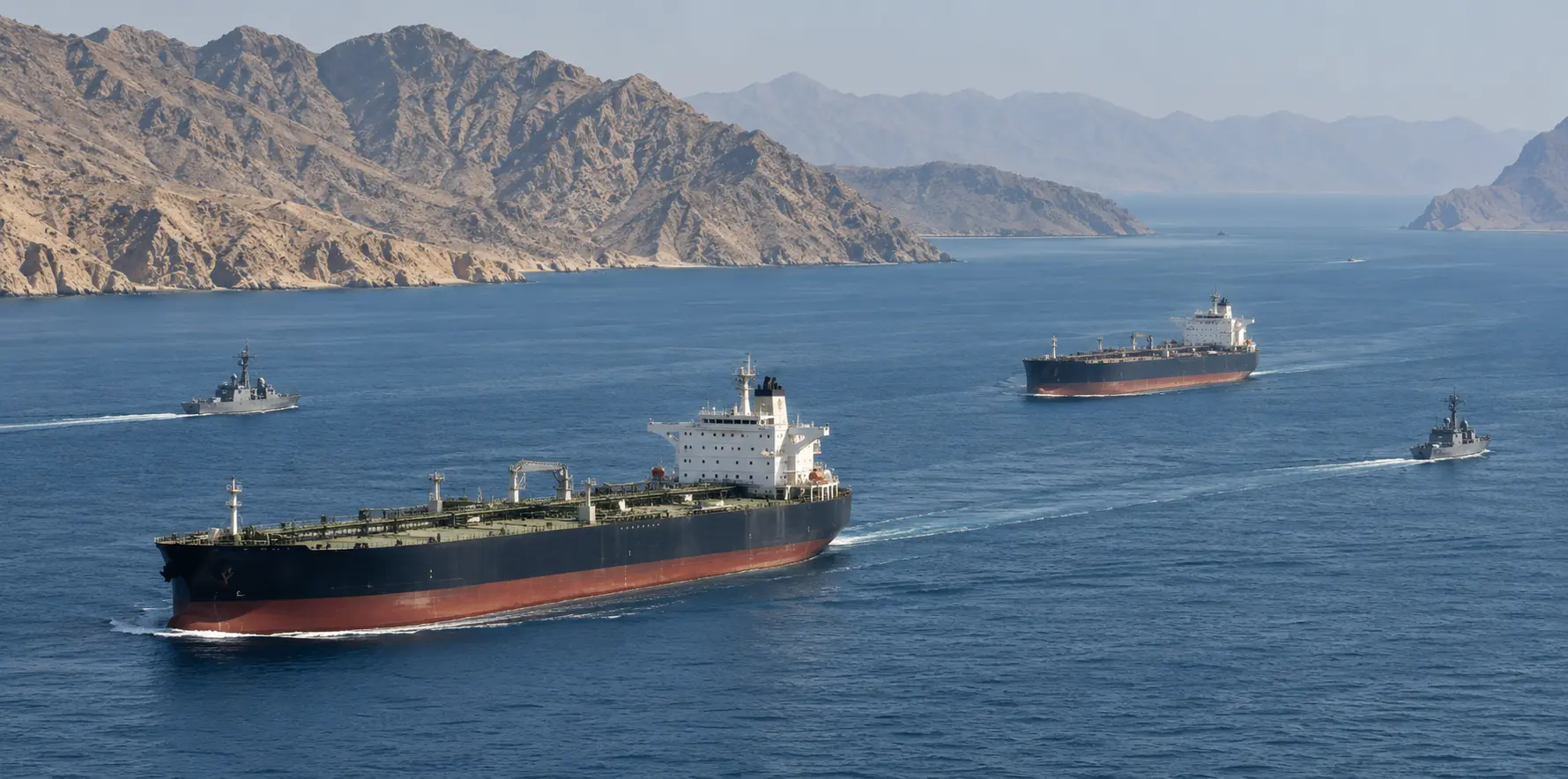
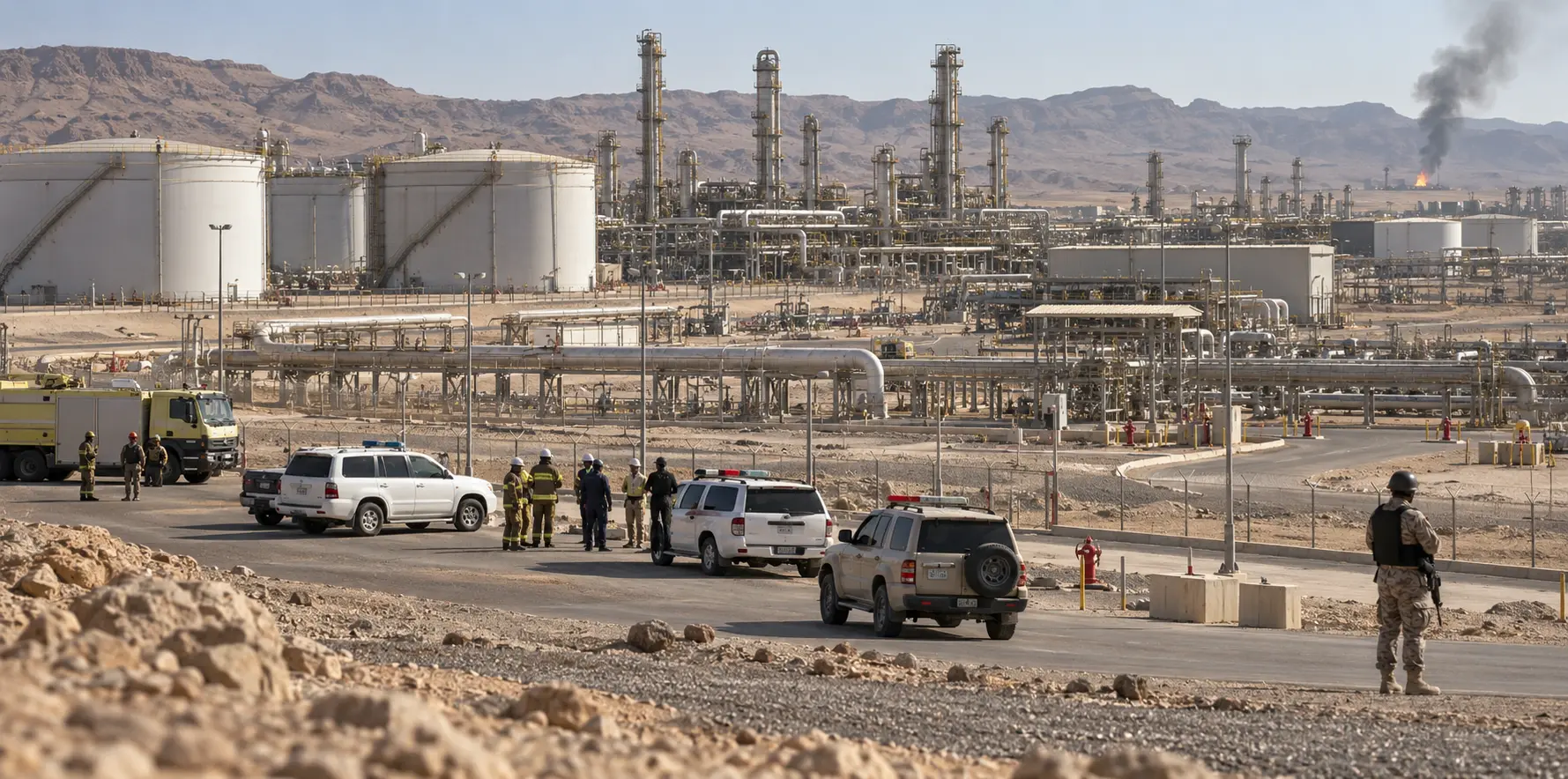
The dispute comes amid heightened sensitivity over energy costs. Pakistan has moved from fortnightly fuel-price revisions to a daily pricing mechanism as volatility in international oil markets increases following renewed Middle East hostilities. Fuel prices and the petroleum levy have consequently become a focal point for political parties, transporters and petroleum dealers.
Thursday’s response shows that JI was able to generate significant disruption in some cities, particularly across Sindh, but did not achieve a uniform nationwide shutdown.
Attention will now turn to the party’s next announcement and whether reported government contacts develop into formal negotiations. A decision to escalate towards a long march could turn the petroleum levy dispute into a broader political confrontation over inflation and the cost of living.