








Pakistan and China have signed nine business-to-business agreements worth approximately $440 million, marking one of the largest recent investments in Pakistan’s pharmaceutical sector. The agreements were concluded during the Pakistan-China Pharmaceutical and Healthcare Business Conference in Islamabad and cover collaboration in vaccine production, biotechnology, pharmaceutical manufacturing, technology transfer and disease prevention. The government says the partnerships represent another step in expanding economic cooperation under the broader framework of CPEC 2.0, although detailed implementation schedules have yet to be announced.
The agreements bring together private pharmaceutical companies from both countries with the aim of strengthening Pakistan’s domestic healthcare industry. According to officials, the collaboration is expected to increase local manufacturing capacity for life-saving medicines, expand vaccine production, improve pharmaceutical research and development, and reduce dependence on imported medical products over the long term. The projects also seek to encourage technology transfer from Chinese companies to Pakistani manufacturers, enabling local firms to adopt more advanced production techniques.
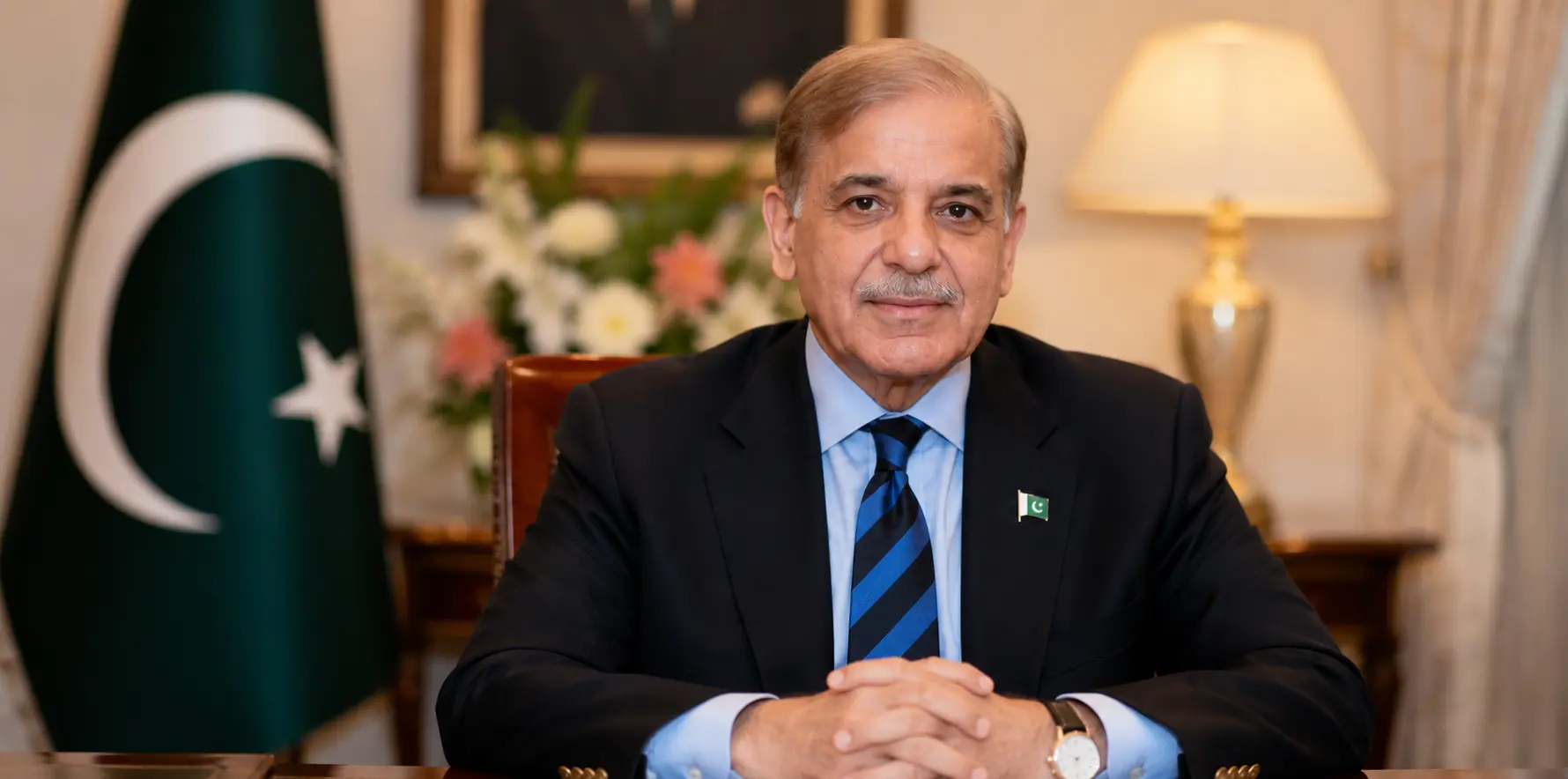
Prime Minister Shehbaz Sharif, who witnessed the signing ceremony, described the agreements as an important milestone for bilateral economic cooperation and expressed confidence that the memorandums would quickly translate into practical investment projects. He said collaboration between Pakistani and Chinese pharmaceutical companies could help Pakistan become a regional hub for the production and export of medicines and vaccines while creating new opportunities for skilled employment and industrial growth.
One of the most significant aspects of the agreements is the focus on vaccine manufacturing and biotechnology. Pakistan currently imports a substantial share of pharmaceutical raw materials and specialised medical products. Expanding domestic production could improve supply-chain resilience, reduce import costs and strengthen the country’s preparedness for future public health emergencies. Officials also highlighted cooperation on hepatitis prevention and other healthcare initiatives as part of the broader partnership.
The conference attracted around 300 Chinese delegates, reflecting growing commercial interest in Pakistan’s healthcare and pharmaceutical market. It was jointly organised with support from the Ministry of National Health Services, the Drug Regulatory Authority of Pakistan (DRAP), the Board of Investment, the Trade Development Authority of Pakistan and the Special Investment Facilitation Council (SIFC), all of which have identified pharmaceuticals as a priority sector for foreign investment.
For Pakistan’s pharmaceutical industry, the agreements could provide long-term benefits beyond immediate investment. Greater local production of active pharmaceutical ingredients (APIs), improved research capabilities and stronger export potential may enhance the industry’s competitiveness in regional markets. However, analysts note that the full economic impact will depend on how quickly the signed agreements move from memorandums to operational projects, including factory expansion, technology deployment and commercial production.
The deals also reinforce the expanding economic relationship between Islamabad and Beijing, which has increasingly shifted beyond infrastructure towards industrial cooperation, manufacturing and technology under CPEC 2.0. If successfully implemented, the pharmaceutical partnerships could become a model for broader collaboration in healthcare innovation and advanced manufacturing, supporting Pakistan’s ambition to develop higher-value exports while improving access to locally produced medicines.