







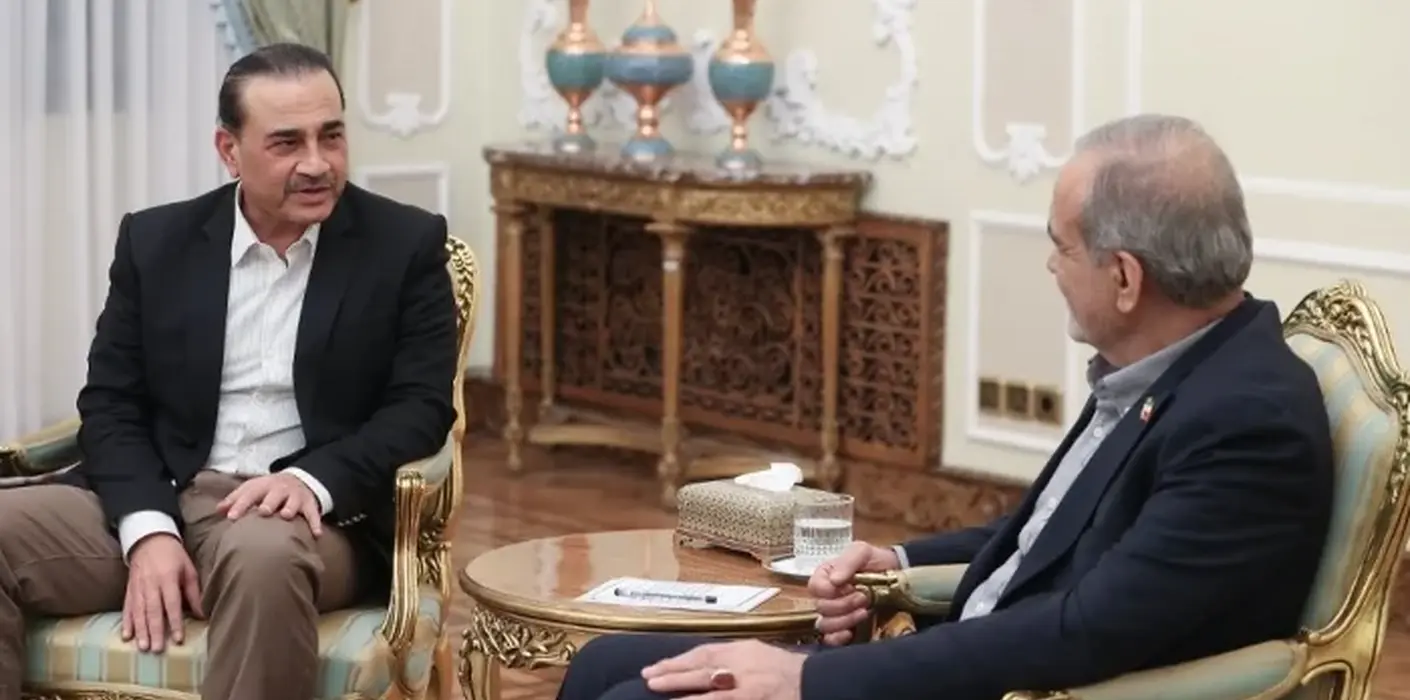

Pakistan and Iran have discussed measures to reopen the Strait of Hormuz and accelerate an end to the US-Iran conflict, with Islamabad describing Field Marshal Asim Munir’s meetings with Iran’s leadership as making “significant progress” toward regional de-escalation.
The discussions took place during the Chief of Defence Forces and Army Chief’s visit to Iran, where he met President Masoud Pezeshkian and other senior political and security officials. The visit forms part of Pakistan’s continuing diplomatic effort to break the deadlock surrounding the conflict.
According to the Inter-Services Public Relations, talks focused on preventing further escalation, reopening the Strait of Hormuz and achieving an expedited end to the conflict. Both sides also discussed regional stability and possibilities for reaching a negotiated settlement.
During his visit, Field Marshal Munir met Pezeshkian as well as Mohsen Rezaei, the Iranian supreme leader’s representative on the Supreme National Security Council, Parliament Speaker Mohammad Bagher Ghalibaf, Foreign Minister Abbas Araghchi and Interior Minister Eskandar Momeni.
Interior Minister Mohsin Naqvi, who accompanied Munir, described the meeting with the Iranian president as positive and productive. He said discussions covered the US-Iran conflict, wider Middle East tensions and possible steps toward restoring the Islamabad memorandum of understanding aimed at producing a comprehensive settlement.
Naqvi said Pezeshkian presented Iran’s concerns and perspective during what he described as a constructive exchange. Islamabad remains hopeful that the momentum generated by the meetings can contribute to further progress and eventually a more durable peace.
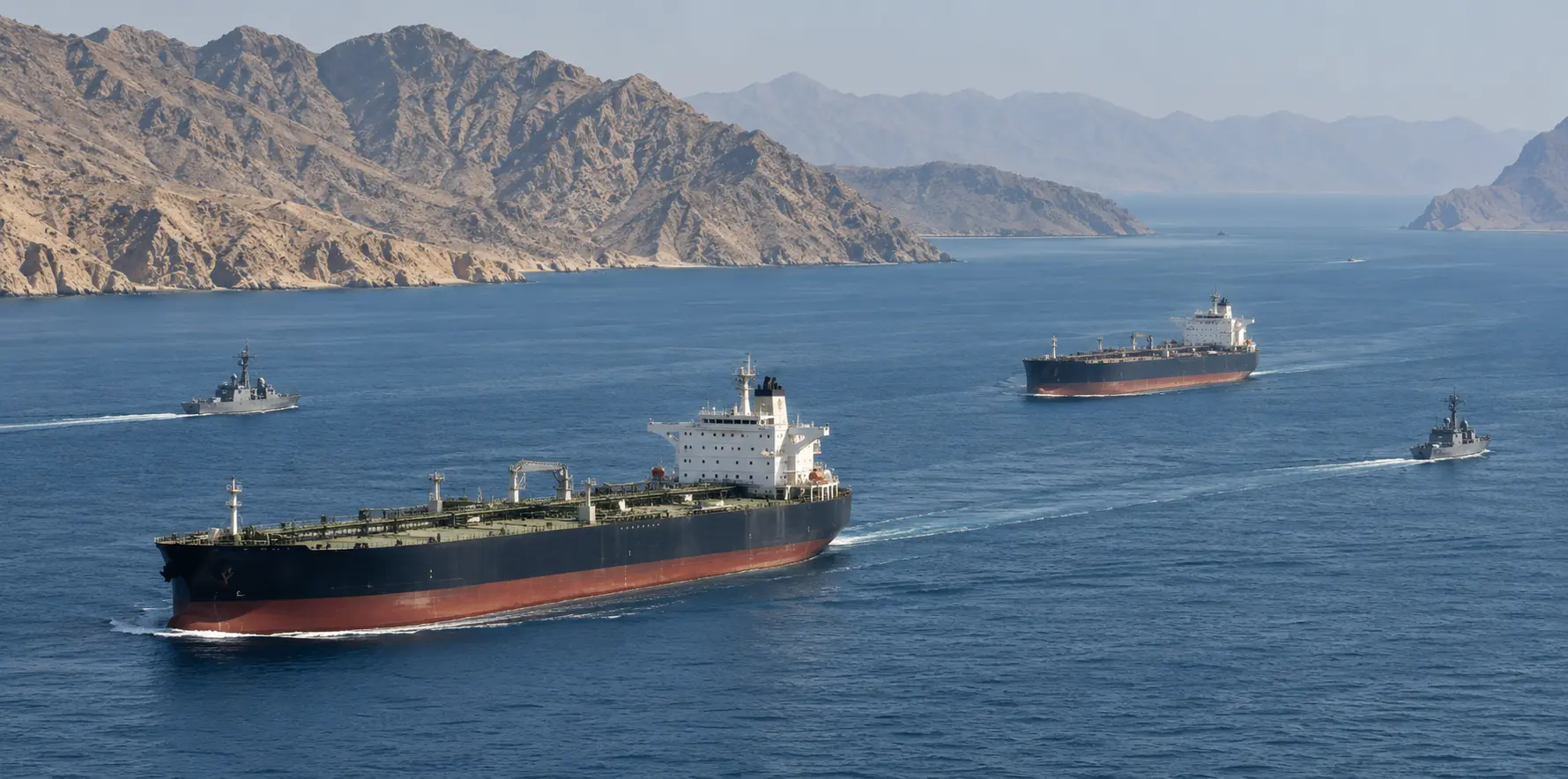
The diplomatic effort carries global economic significance because the Strait of Hormuz remains one of the world’s most important energy corridors. Restrictions on shipping through the waterway have disrupted trade and contributed to uncertainty across oil, freight and insurance markets.
Pakistan has increasingly positioned itself as an intermediary between Tehran and Washington since the conflict began with US and Israeli strikes on Iran on February 28. Islamabad previously brokered a two-week ceasefire beginning April 8 and has continued carrying messages between the two sides.
The latest diplomatic activity comes as Washington simultaneously increases economic pressure on Tehran.
The US has announced expanded sanctions intended to further restrict Iran’s economic and trading networks. The US Treasury also sanctioned 60 individuals, entities and vessels, while warning that countries continuing certain business relationships with Tehran could risk losing access to the dollar-based financial system.
Iran has vowed to resist the pressure. Iranian officials say the country is prepared for the new measures, while Tehran has also warned of retaliation if its infrastructure or strategic interests are threatened.
This makes Pakistan’s mediation particularly significant. Islamabad is attempting to create diplomatic space at a time when Washington is escalating economic pressure, Tehran is threatening retaliation and commercial traffic through Hormuz remains a central source of international concern.
Still, the description of “significant progress” should not be interpreted as a completed agreement. No final deal to reopen the Strait of Hormuz or terminate the US-Iran conflict was announced following the meetings.
For now, the importance of the Tehran visit lies in keeping negotiations moving. Whether that diplomatic momentum translates into a reopening of Hormuz or a broader settlement will depend on subsequent negotiations involving Iran, the United States and regional intermediaries.