

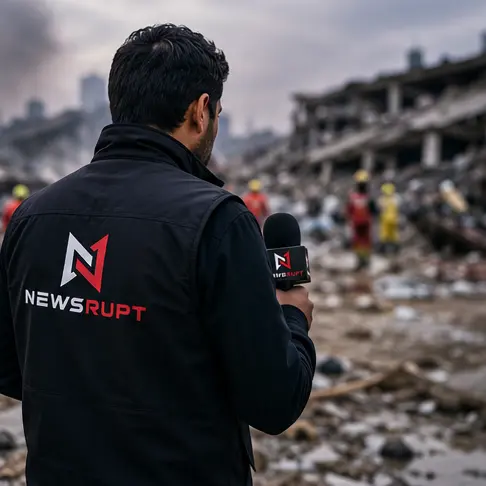






Karachi spends Rs 24 billion every year collecting garbage. Yet the city’s waste management system has failed to generate revenue from recycling or produce electricity from waste.
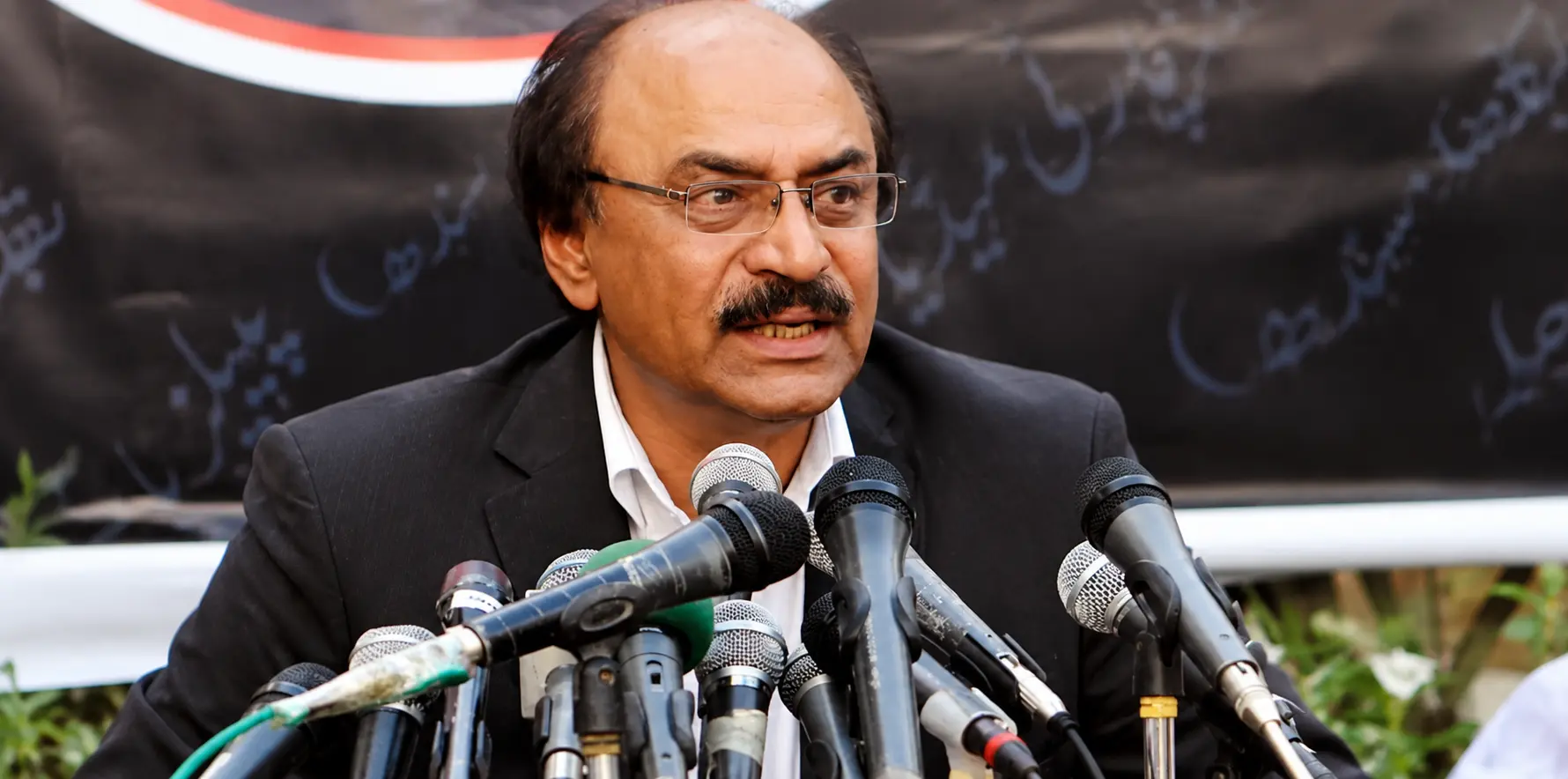
The issue came before Sindh’s Public Accounts Committee (PAC) on Thursday. Lawmakers questioned the Sindh Solid Waste Management Board (SSWMB) over its spending, delayed reforms and lack of progress on waste-to-energy projects.
The meeting, chaired by Nisar Khuhro, also revealed that amendments made to the Sindh Solid Waste Management Board Act in 2021 remain unimplemented.
The required divisional boards have not been established, and the institution continues to operate without the necessary rules.
Four-Year Delay in Waste Management Reforms
The 2021 amendments required the government to establish waste management boards at divisional headquarters. These include Karachi, Hyderabad, Mirpurkhas, Sukkur, Shaheed Benazirabad and Larkana.
Under the amended law, mayors would chair the divisional boards.
Although the Sindh government approved the transfer of waste management responsibilities to the divisional level, the boards have still not been formed.
The PAC directed the Local Government Department to establish these boards and prepare the required rules according to the Sindh cabinet’s decision.
Karachi’s Rs 24 Billion Waste Collection Budget
During the meeting, the committee reviewed audit findings related to the board’s Karachi operations for 2023 and 2024.
Nisar Khuhro questioned how much waste the board collects, how much it spends and whether it earns any revenue.
SSWMB Managing Director Fawad Ghaffar Soomro informed the committee that the board has an annual budget of Rs 28 billion. Of this amount, Rs 24 billion is spent on waste collection in Karachi alone.
According to officials, three Chinese companies and one Turkish company currently handle waste collection contracts in the city.
The board has also introduced door-to-door garbage collection in one district, following a system already used in Larkana.
Around 70% of Karachi’s residents live in established neighbourhoods served by garbage bins. Meanwhile, waste collection trolleys serve the remaining 30%, mainly in informal settlements.
Soomro also told the committee that the board has an agreement with the Defence Housing Authority (DHA) regarding waste recycling.
However, the PAC questioned why these arrangements had not generated revenue.
Delays in Karachi’s Waste-to-Energy Projects
Karachi has discussed generating electricity from garbage for several years. However, the proposed projects have yet to produce power.
In 2021, the Sindh cabinet approved a Waste-to-Energy Policy. The government initially planned to establish a power plant at the Jam Chakro landfill site.
At the time, the chief minister announced plans for a facility capable of generating 40 megawatts of electricity. Later, officials discussed a larger project with a proposed capacity of 175 megawatts and an investment of $600 million.
Karachi Mayor Murtaza Wahab also announced three waste-to-energy projects at the Jam Chakro and Gond Pass landfill sites.
One of these projects was expected to generate 45 megawatts. Despite these announcements, the PAC found that the proposed facilities had not started producing electricity.
PAC Directs Implementation of Pending Reforms
The committee has directed the Local Government Department to implement the delayed reforms and establish divisional waste management boards.
The department must also prepare the rules needed to put the amended law into practice. Meanwhile, questions remain about the financial performance of Karachi’s waste collection system.
The city continues to spend Rs 24 billion annually on garbage collection, while plans to generate income through recycling and electricity production remain incomplete.
The PAC’s directions now place responsibility on the Local Government Department to move forward with reforms that have remained pending since 2021.