






US President Donald Trump has escalated his rhetoric over the Strait of Hormuz by posting a map depicting the strategic waterway as new American territory, even as Washington and Tehran remain locked in a dispute over shipping access and negotiations to end the nearly six-month Iran war.
Trump shared the map on Truth Social on Tuesday with the words “NEW US Territory”, renewing an idea he had raised publicly a day earlier. The post represents a political claim rather than any recognised change in sovereignty or international boundaries.
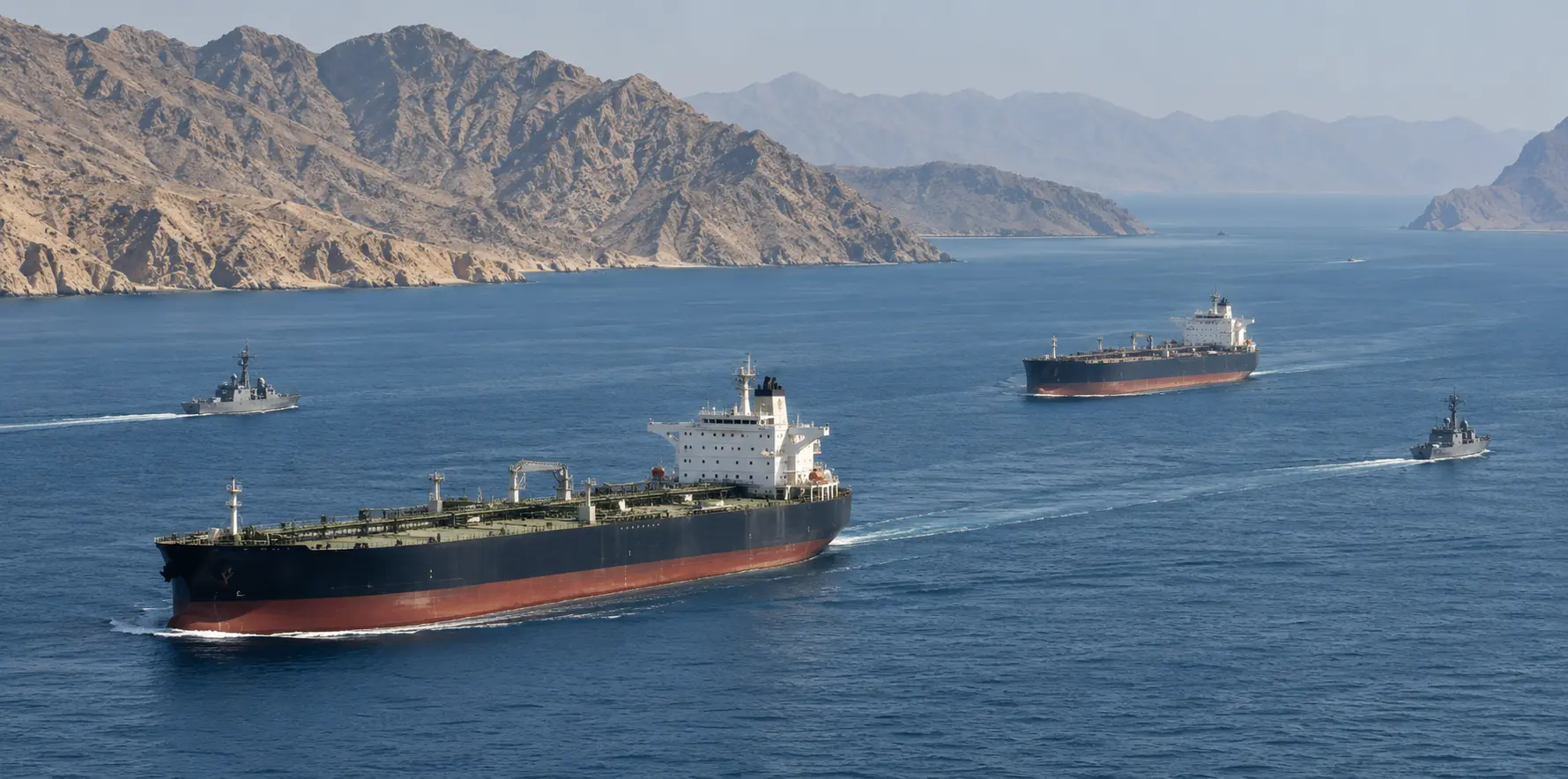
The Strait of Hormuz is one of the world’s most strategically important energy corridors, with roughly one-fifth of global oil supplies normally passing through the waterway. Before the conflict began on February 28, it operated as an open international shipping route. Iran has since heavily restricted passage as part of its confrontation with Washington.
Tehran quickly dismissed Trump’s territorial rhetoric. Mohsen Rezaee, secretary of Iran’s Supreme National Security Council, mocked Washington’s claim and contrasted it with the United States’ difficulties in restoring normal navigation through the strait.
Trump also complicated the diplomatic picture by denying that negotiations with Iran were currently taking place or scheduled. His statement contrasted with remarks from his envoy and son-in-law Jared Kushner, who had said Washington and Tehran were engaged in positive and active discussions. US sources cited by AFP separately indicated that contacts had occurred, but that Trump had instructed his team to wait until Iran was prepared to reach an agreement.
The two sides are also presenting sharply different accounts of conditions in Hormuz. Trump said the waterway was “open and operating” and that mines had been removed or detonated. Iran, however, maintains that it will not fully reopen the strait until Washington fulfils a series of demands.
Those demands include ending the US blockade of Iranian ports, lifting oil sanctions, releasing frozen Iranian assets and addressing war damages. Iran’s top negotiator, Mohammad Bagher Ghalibaf, has publicly maintained that reopening will depend on implementation of American commitments.
Regional governments are meanwhile continuing efforts to prevent the dispute from escalating further. Qatar has argued that progress between Iran and Oman over navigation arrangements could help restart broader negotiations, while Turkish President Recep Tayyip Erdogan has urged Trump to continue talks with Tehran and offered Ankara’s assistance in diplomatic efforts.
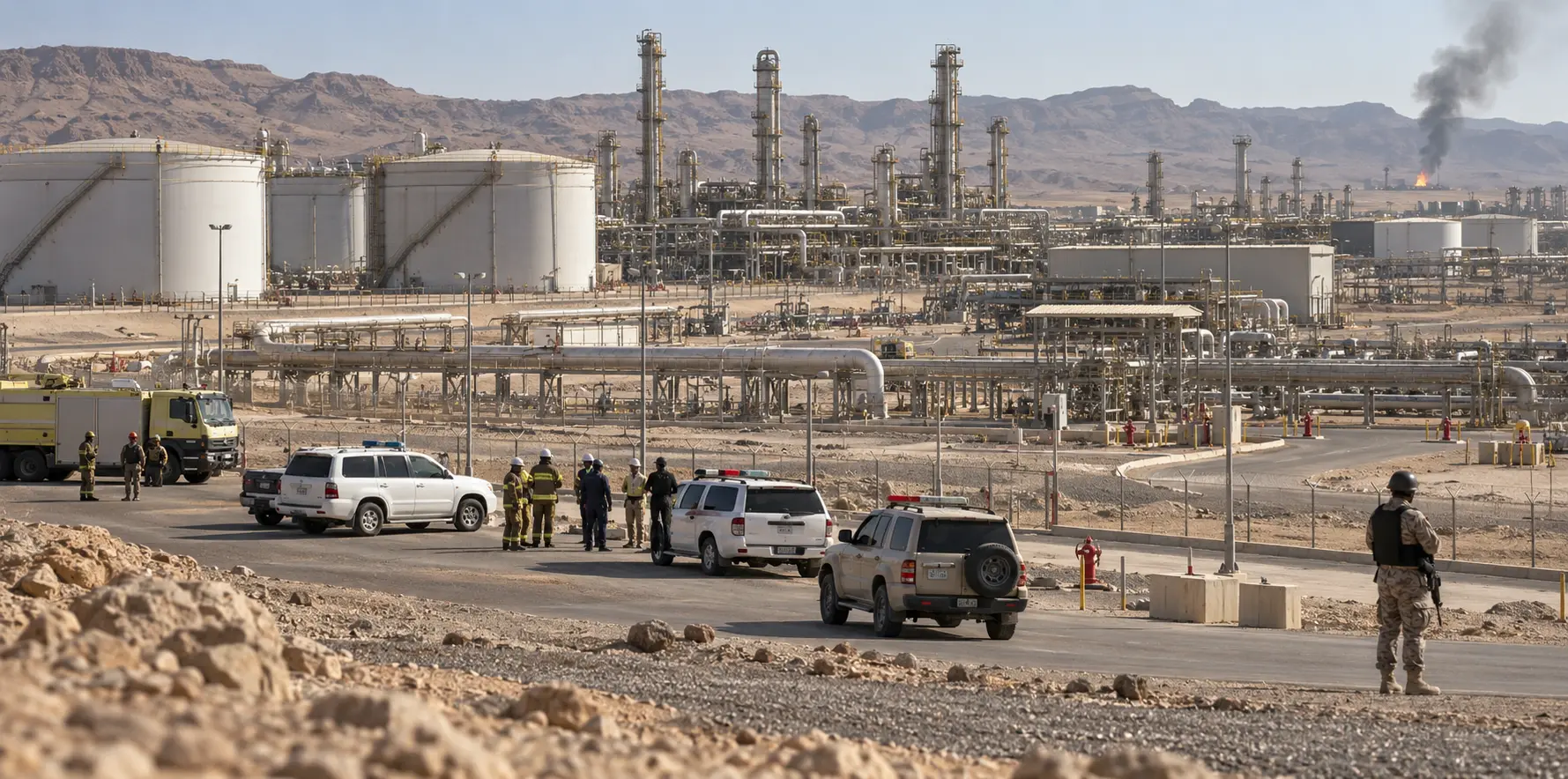
The prolonged disruption carries consequences well beyond the Gulf. Any sustained restriction of Hormuz can affect oil prices, shipping insurance, freight costs and energy supplies across global markets.
For coverage, Trump’s map should therefore be described specifically as a claim or social-media post, not as an actual territorial change. No internationally recognised transfer of the Strait of Hormuz to the United States has occurred.
The latest episode underscores how far apart Washington and Tehran remain, both over the status of the waterway and the conditions required to move from military confrontation toward a negotiated settlement.