










AI-powered wearables, including AI pendants, earbuds, health wearables, smart glasses, watches, lapel pins, and glasses, are rapidly becoming a daily part of everyday life. These devices combine GPS, Bluetooth, Wi-Fi, AI processors, voice recognition, computer vision, cameras, microphones, facial recognition, cloud connectivity, and large language models (LLMs) to continuously respond, observe, and interpret the world around users, unlike traditional fitness trackers. Experts say that even if the technology promises greater productivity, convenience, and accessibility, it could also change how personal data is collected and how privacy is experienced.
AI wearables “see” through the implanted cameras and computer vision models that can recognize buildings, texts, products, medicines, faces, and objects, while answering questions such as “What am I looking at?” and translating menus. These wearables “hear” using embedded microphones capable of doing different tasks such as separating multiple voices, translating languages, identifying speakers, transcribing conversations, recognizing music, and even analyzing vocal emotions. Some devices use temporary rolling audio buffers that are overwritten unless activated, while others offer continuous recording and permanent transcription, with some marketed as personal AI capable of remembering everything users have seen, heard, or said.
The biggest concern is continuous passive data collection. Unlike smartphones, AI wearables can monitor surroundings almost invisibly, making it difficult for bystanders to know when they are being recorded. Privacy advocates argue this creates serious consent issues in restaurants, workplaces, schools, hospitals, public transport, and other settings where conversations, images, and activities may be captured without permission. Because recording laws differ between countries, users may unknowingly violate local consent regulations.
Experts also highlight risks to bystander privacy, as the technology collects information not only about the wearer but also about nearby cashiers, teachers, doctors, colleagues, and strangers. Facial recognition could identify individuals, link them to online profiles, or track movements, increasing concerns over stalking, harassment, surveillance, identity theft, and misuse by criminals or authoritarian governments. Voiceprints present similar risks because they contain biometric information, including identity, accent, emotional state, and some health indicators.
Many AI wearables rely on cloud computing, meaning images, conversations, locations, meeting transcripts, and biometric data may be transmitted, stored, and processed remotely. Privacy specialists warn about third-party data sharing, hacking, cyberattacks, and data breaches that could expose sensitive information such as passports, medical records, passwords, ATM PINs, confidential business documents, and private conversations.
Instagram is cracking down on footage taken by Meta’s Ray-Ban smart glasses, which have a built-in camera that lets users take pictures and videos without using their hands. This comes after prank videos and recordings of pickup artists discreetly filming women in public went viral on social media. Due to the trend, privacy concerns about the glasses have increased, and they have been dubbed “pervert glasses” online.
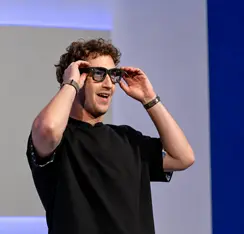
Meta Ray-Ban Display AI glasses worn by Mark Zuckerberg
The technology is also raising concerns in workplaces, schools, universities, healthcare, the legal profession, and among child privacy advocates, while researchers warn of a “chilling effect” in which people change their behavior because they believe they are constantly being watched. Governments are considering stronger safeguards, including recording indicator lights, stricter consent rules, limits on facial recognition, tighter encryption, clearer privacy notices, data-retention limits, and restrictions in sensitive environments. Despite these concerns, AI wearables also offer valuable benefits, including real-time translation, accessibility for blind and deaf users, navigation, health monitoring, emergency detection, meeting summaries, and hands-free access to information. As adoption accelerates, experts say balancing innovation with transparency, stronger regulation, and protection of individual rights will determine how society embraces this new generation of wearable AI.