







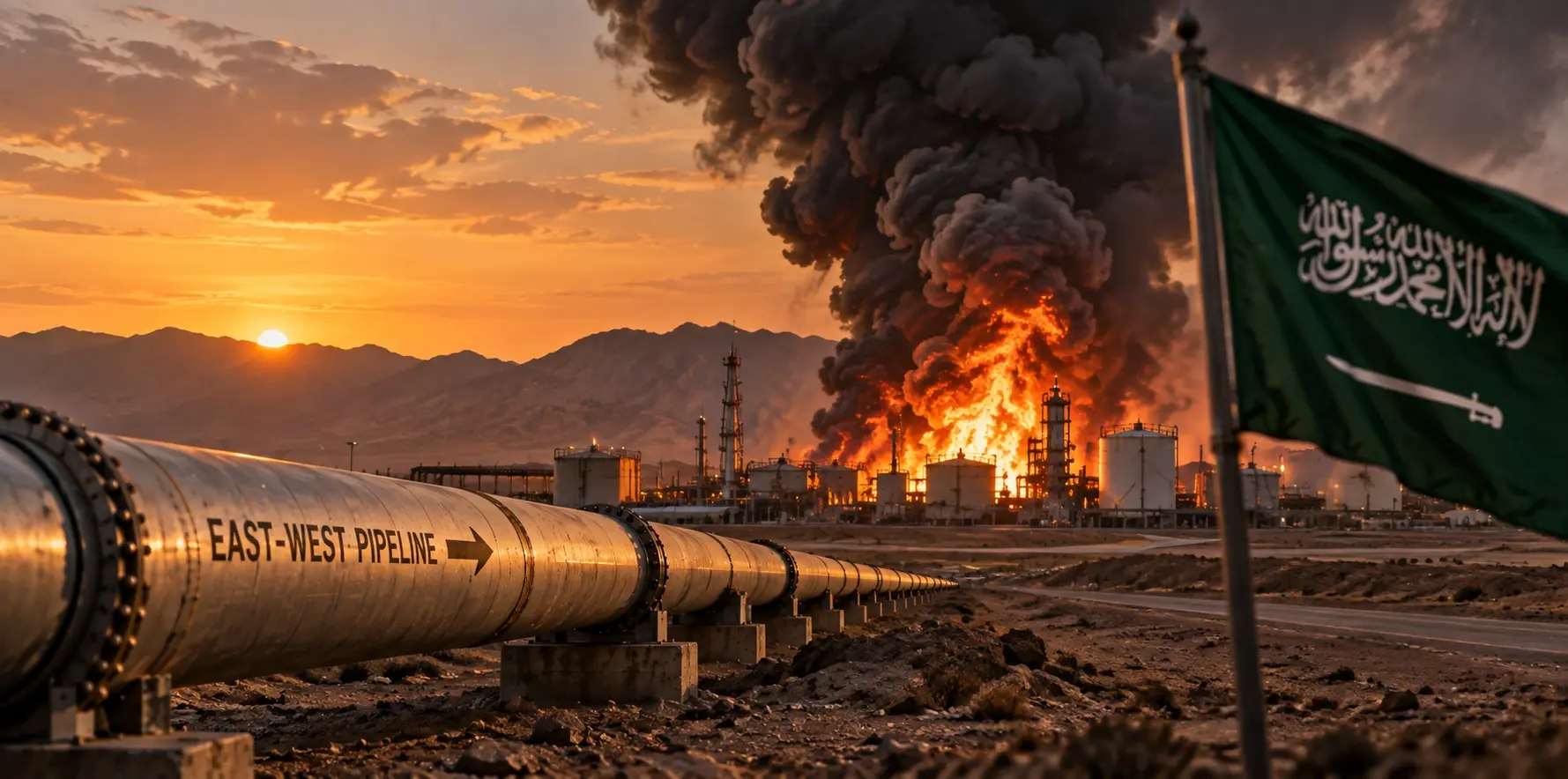

Attacks on Saudi Arabia’s strategic East-West oil pipeline have disrupted a key route for global crude supplies, sending oil prices sharply higher as concerns grow over already-tightening energy markets.
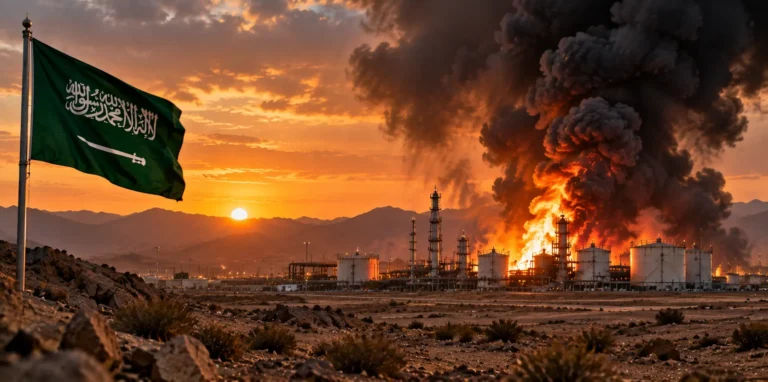
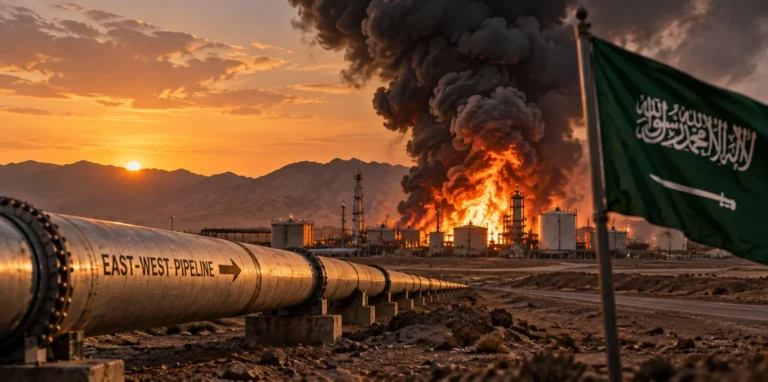
Strikes on Saudi oil infrastructure have damaged Pump Station 9, with possible damage also reported at Pump Station 8, forcing the shutdown of the country’s 1,200-kilometer East-West Pipeline, according to the information provided for this report.
The pipeline, a critical alternative route designed to transport Saudi crude without relying on the Strait of Hormuz, could remain out of service for three to five weeks or longer.
The disruption has stranded an estimated 2.5 million barrels of oil per day, adding further pressure to global supplies at a time when energy markets are already facing significant geopolitical risks.
Oil Prices Surge
The latest disruption has pushed U.S. crude above $101 a barrel, while fuel prices have also climbed sharply.
Diesel prices in the United States have reached a record $6.23 per gallon, while gasoline has risen to around $4.32 per gallon, highlighting the immediate impact of growing supply concerns on consumers and businesses.
The attacks come amid a broader regional conflict involving Iran and continued disruption around the Red Sea, creating additional uncertainty for global oil transportation.
Saudi Arabia is the world’s leading crude exporter, and attacks on its oil infrastructure have previously triggered significant concerns in global energy markets. The latest attacks come as Houthi forces continue targeting Saudi Arabia and its oil infrastructure, with the conflict contributing to oil prices moving above the $100 threshold.
Alternative to the Strait of Hormuz Hit
The East-West Pipeline is particularly important because it provides Saudi Arabia with an alternative route for moving crude toward the Red Sea and onward to international markets.
With the Strait of Hormuz already under pressure, damage to the pipeline removes another layer of flexibility from the global oil supply system.
The Strait of Hormuz is one of the world’s most important oil transit routes. Any disruption to alternative infrastructure can therefore amplify market fears about whether sufficient crude can reach international buyers.
Global Supply Buffers Are Thinning
Chevron’s chief executive has warned that global supply buffers have been depleted, underscoring the vulnerability of energy markets to further disruptions.
The situation has raised concerns that even a temporary interruption could have an outsized impact if additional production or transportation infrastructure is affected.
The Trump administration, meanwhile, has described the latest disruption as temporary, suggesting that markets could stabilize once damaged infrastructure is restored and supply flows normalize.
However, the length of the pipeline outage remains a major factor for traders and energy consumers.
Regional Conflict Adds to Market Pressure
The pipeline attacks come against a backdrop of escalating regional tensions.
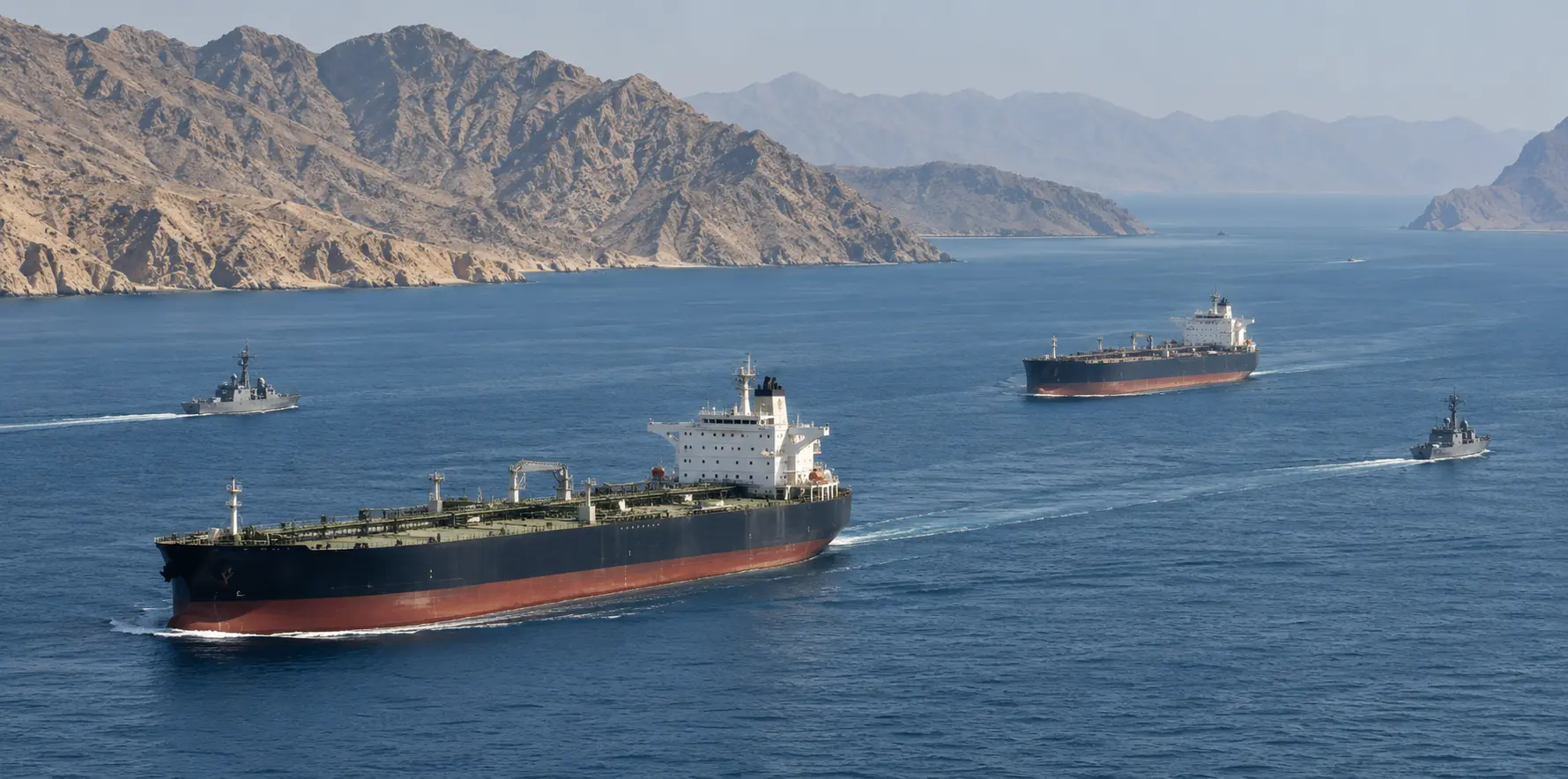
The Houthis have intensified attacks in and around Saudi Arabia, while also targeting shipping and maritime routes in the Red Sea. Saudi Arabia has vowed to respond firmly to the attacks, which have included ballistic missiles and drones.
The wider conflict has increased concerns over the security of major energy and shipping routes across the Middle East.
Qatar has also warned of severe consequences if the Bab al-Mandab Strait is closed, describing such a development as potentially catastrophic for the global economy.
What Comes Next for Oil Markets?
The immediate focus for oil markets will be the extent of the damage to Saudi pipeline infrastructure and how quickly repairs can restore crude flows.
If the outage lasts several weeks, traders could face a prolonged period of tighter supplies and elevated prices. A further escalation affecting other oil facilities or major shipping routes could put additional upward pressure on crude and fuel prices.
For now, the combination of the Saudi pipeline disruption, Red Sea instability and wider regional conflict has left global energy markets facing a renewed supply shock.
With U.S. crude already above $100 a barrel, the duration of the disruption could determine whether the latest price surge proves temporary—or becomes a much broader energy crisis.