







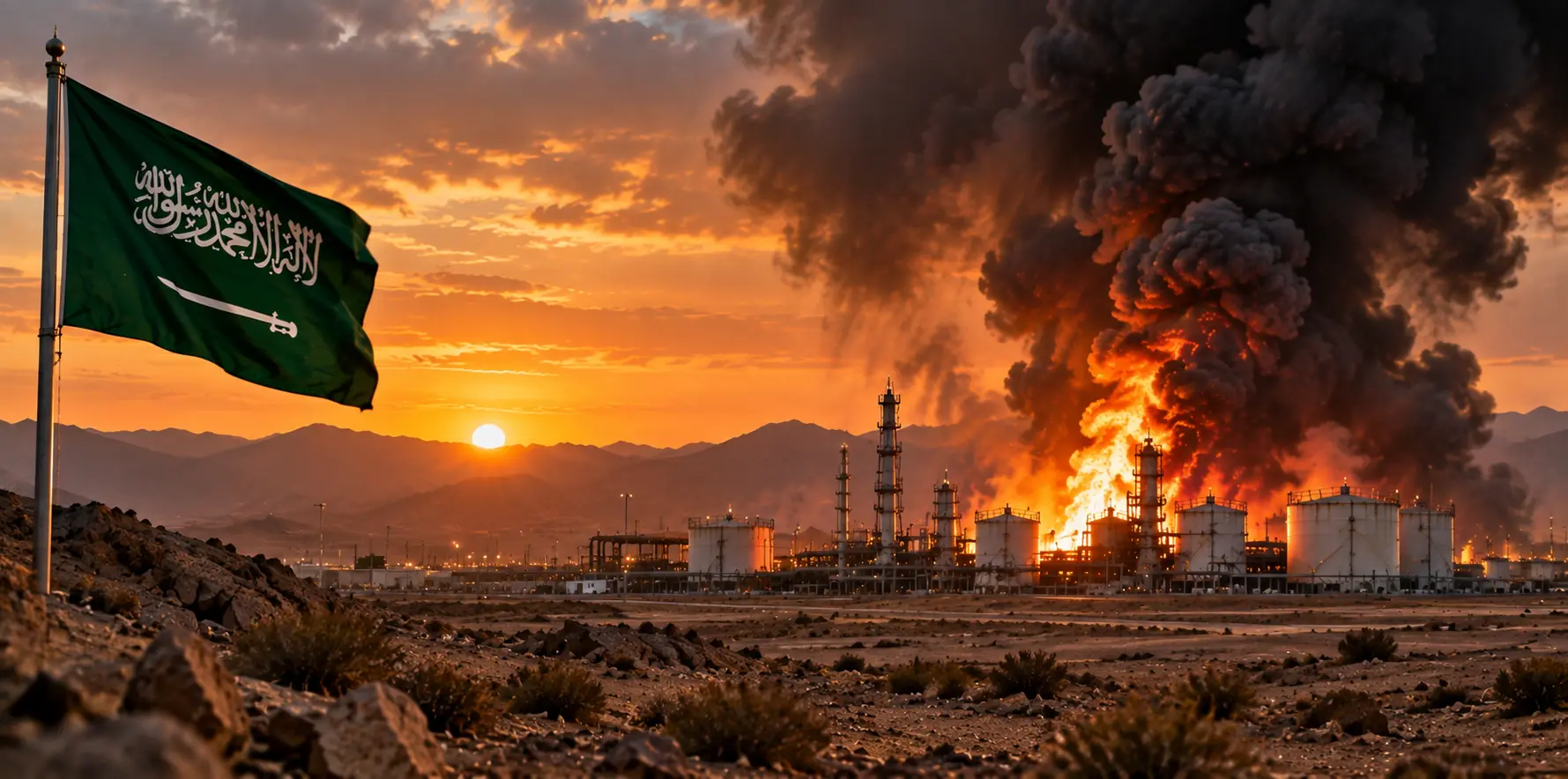

Saudi Arabia has vowed to respond firmly to a fresh wave of Houthi attacks as the Iran-backed Yemeni group targets the kingdom’s oil infrastructure, adding to mounting pressure on global energy markets.
Saudi Arabia on Tuesday pledged a firm response to the latest attacks by Yemen’s Houthis, opening a new front in the wider Middle East conflict.
The attacks come as the Houthis have made significant advances against Saudi-backed Yemeni government forces and seized control of parts of Yemen’s Red Sea coast and the strategically important Bab al-Mandeb Strait.
The group has also targeted Saudi oil infrastructure, contributing to a sharp rise in global fuel prices.
East-West Pipeline Paralyzed
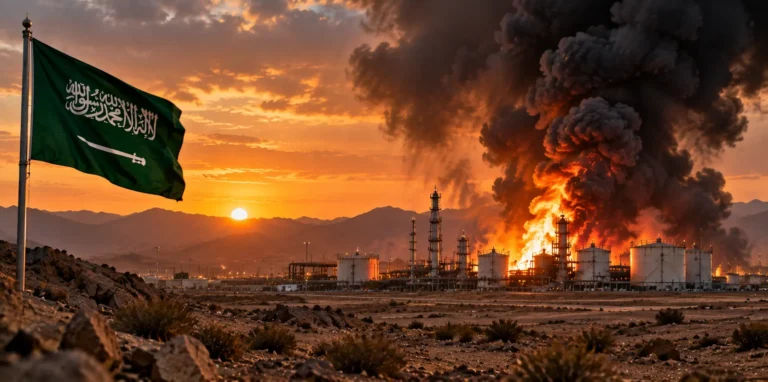
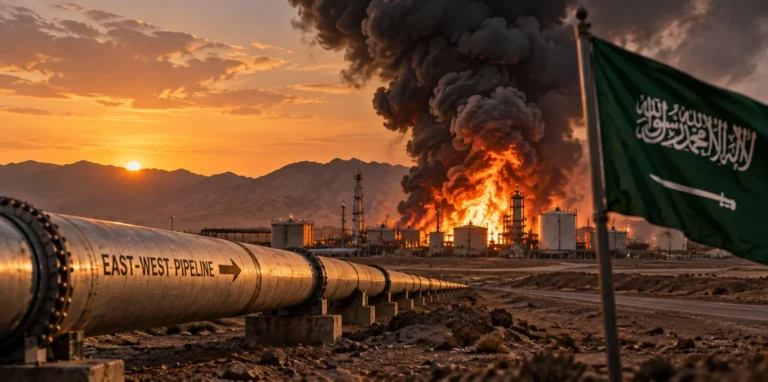
One of the most significant consequences has been the shutdown of Saudi Arabia’s East-West oil pipeline, a crucial export route that provides an alternative to shipping crude through the Strait of Hormuz.
According to Riyadh, the pipeline was paralyzed following drone attacks originating from Iraq. The disruption comes as Saudi oil tankers face threats in both the Bab al-Mandeb and Hormuz straits.
The pipeline’s disruption adds another vulnerability to global oil supplies at a time when the Strait of Hormuz remains blocked and the Bab al-Mandeb route is increasingly exposed to attacks.
Oil Prices Climb
The latest attacks have sent fuel prices higher.
U.S. diesel reached a new record of $6.27 per gallon on Tuesday, according to the AFP report, while Brent crude approached $110 a barrel.
The price surge reflects growing concerns that disruptions to major oil production and transportation routes could further tighten global supplies.
Saudi Arabia is the world’s leading crude oil exporter, making attacks on its energy infrastructure particularly significant for international markets.
Houthi Missile and Drone Attacks
The Houthis claimed a large-scale attack involving dozens of ballistic missiles and drones against King Khalid Air Base in Khamis Mushait, in southern Saudi Arabia.
A local resident reported hearing intense explosions and seeing fires following the attack.
The Saudi-led military coalition confirmed that missile and drone attacks had struck Khamis Mushait, Abha and Taif, with 13 civilians reported wounded.
Saudi Arabia responded with nearly 50 airstrikes, according to the Houthis.
Red Sea Route Adds to Pressure
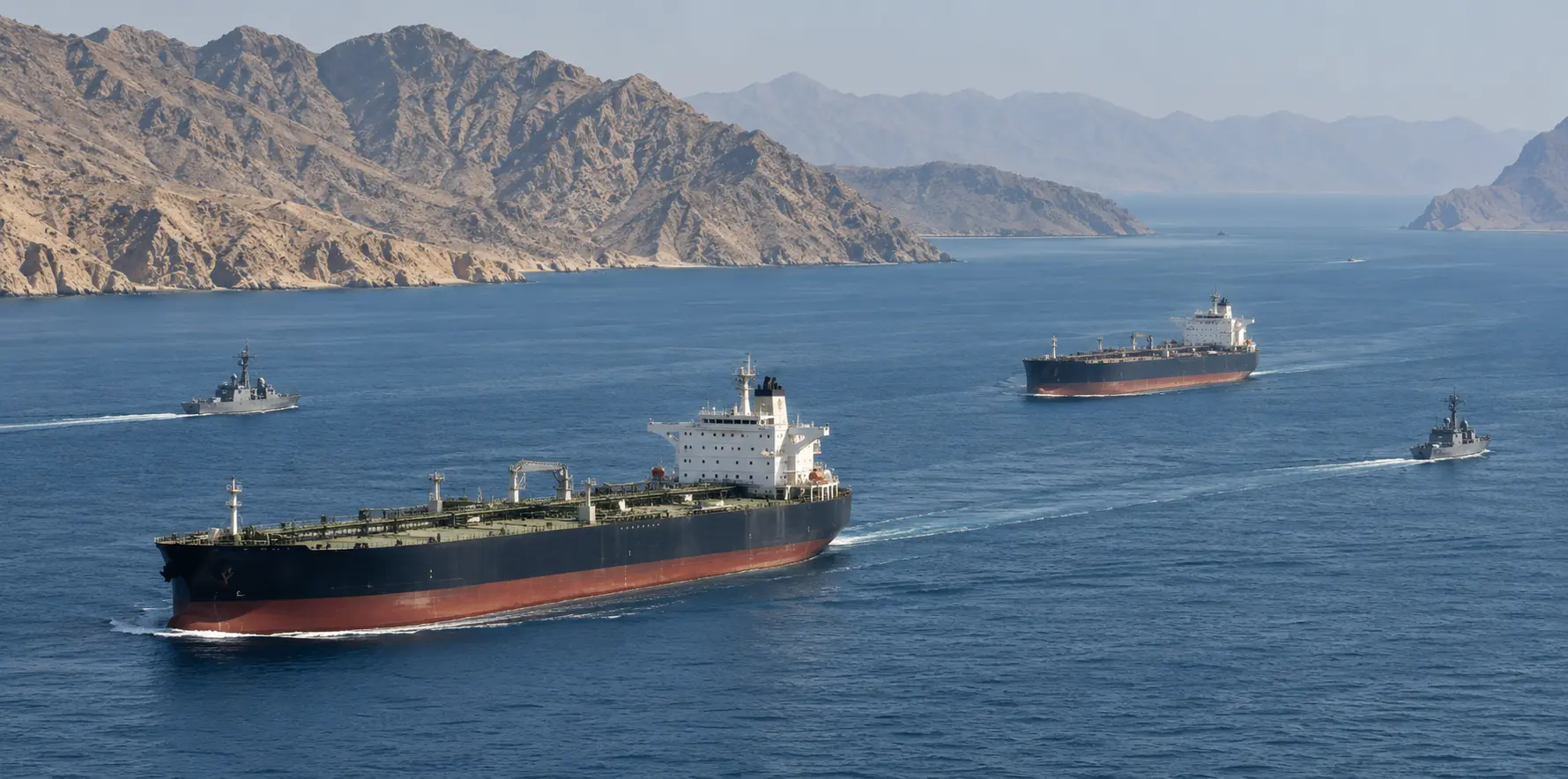
The latest escalation is particularly significant because of the growing vulnerability of the region’s two major maritime chokepoints.
The Houthis seized control of Yemen’s Red Sea coast and the Bab al-Mandeb Strait last week, while the Strait of Hormuz remains blocked amid the wider U.S.-Iran conflict.
Bab al-Mandeb is a vital passage for global trade and energy shipments. With Saudi tankers threatened on both routes and the East-West pipeline out of service, pressure on alternative oil transportation infrastructure is increasing.
The International Crisis Group’s Ali Vaez described the situation as an economic crisis requiring de-escalation, citing the combination of a blocked Hormuz and increasing vulnerability around Bab al-Mandeb.
Saudi Arabia Promises Response
Saudi authorities said they would confront the attacks with firmness, while diplomatic efforts to address the wider regional crisis continue.
The United Nations Security Council was also due to discuss the situation around Bab al-Mandeb following a request from France, with Yemen and Saudi Arabia expected to participate.
The escalation also comes as a planned meeting involving Saudi Arabia, Iran and Gulf states was postponed. The talks were expected to address the future of the Strait of Hormuz, another critical route for global hydrocarbon trade.
Global Energy Markets Under Pressure
The combination of attacks on Saudi oil infrastructure, threats to tankers and instability around major maritime chokepoints has intensified concerns about the reliability of global energy supplies.
For oil-importing countries, prolonged disruption could translate into higher fuel and transportation costs. For producers and traders, the central question is how long the disruption to Saudi infrastructure and regional shipping routes will last.
With Brent crude nearing $110 a barrel, the latest escalation demonstrates how quickly geopolitical conflict can ripple through global energy markets.