






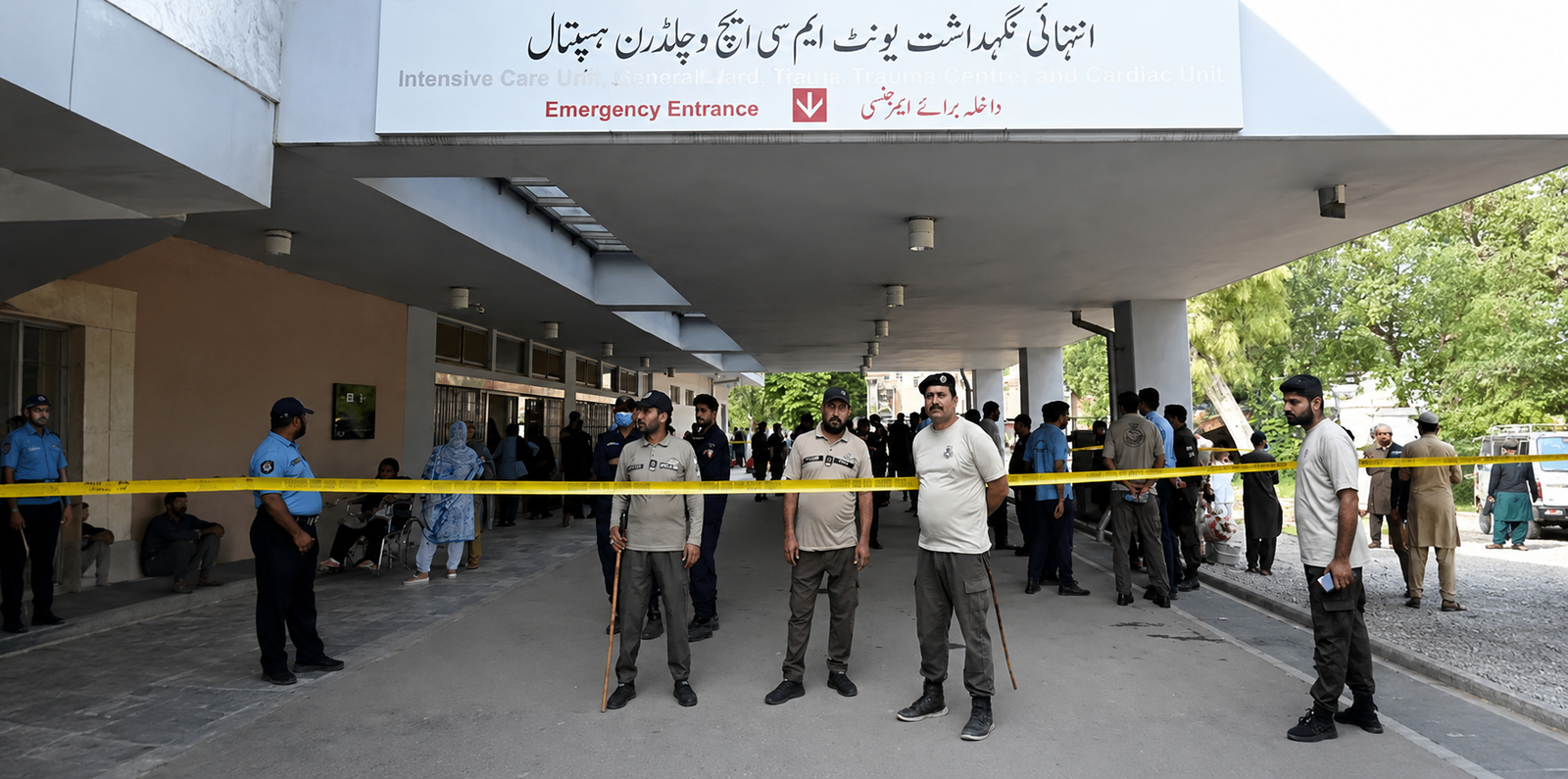

Fourteen newborn babies were killed after a devastating fire swept through a neonatal ward at the Pakistan Institute of Medical Sciences (PIMS) in Islamabad early Wednesday, August 26, turning Pakistan’s largest public-sector hospital in the capital into the scene of one of the country’s most heartbreaking recent healthcare tragedies.
The fire broke out on the third floor of the Mother and Child Hospital. PIMS spokesperson Dr Aneeza Jalil said 15 babies were inside the ward and only one was rescued by a doctor. Some early reports gave different numbers, but the official death toll remained 14 by Wednesday evening.
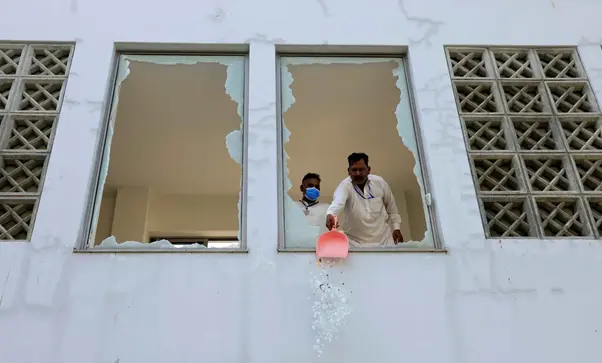
Image from PIMS showed rescue workers using ladders to reach shattered windows as grieving families gathered outside.
Witnesses described thick black smoke, confusion and desperate attempts to reach the babies. Some relatives alleged that doors were locked and said they broke windows themselves while trying to enter or escape. These claims are among the issues requiring investigation.
Federal Health Minister Mustafa Kamal said CCTV footage showed a spark in an air-conditioning unit at around 6:38am, followed approximately a minute later by a fireball. He said two nurses and two doctors could then be seen rushing for assistance as flames spread. Fourteen of the 15 infants were receiving oxygen, and officials believe the oxygen-rich environment contributed to the fire’s rapid spread.
There are, however, differing preliminary explanations for exactly how the blaze began. Rescue officials initially pointed towards an air-conditioner compressor explosion, while other officials referred to a short circuit. An initial PIMS report also linked the disaster to oxygen ignition around neonatal equipment. A final determination has yet to be made.
Islamabad authorities said six fire brigade vehicles and four ambulances were deployed. Official emergency-service records state that the fire call was received at 6:54am and teams reached PIMS within seven minutes. Minister of State for Interior Tallal Chaudhry said 19 people, including children, mothers and men, were rescued.
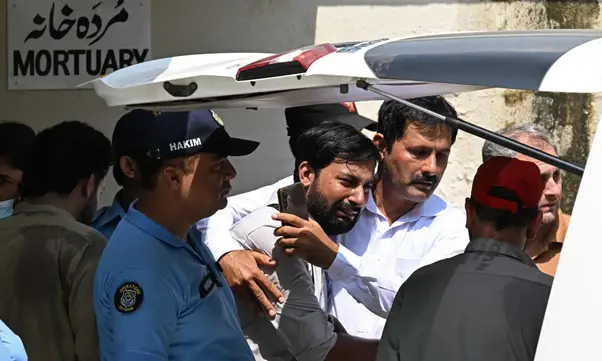
A man comforts a grieving father (C) as his child’s coffin is carried away after a fire broke out outside the Mother and Child Health (MCH) ward at the Pakistan Institute of Medical Sciences (PIMS) hospital in Islamabad on August 26, 2026.
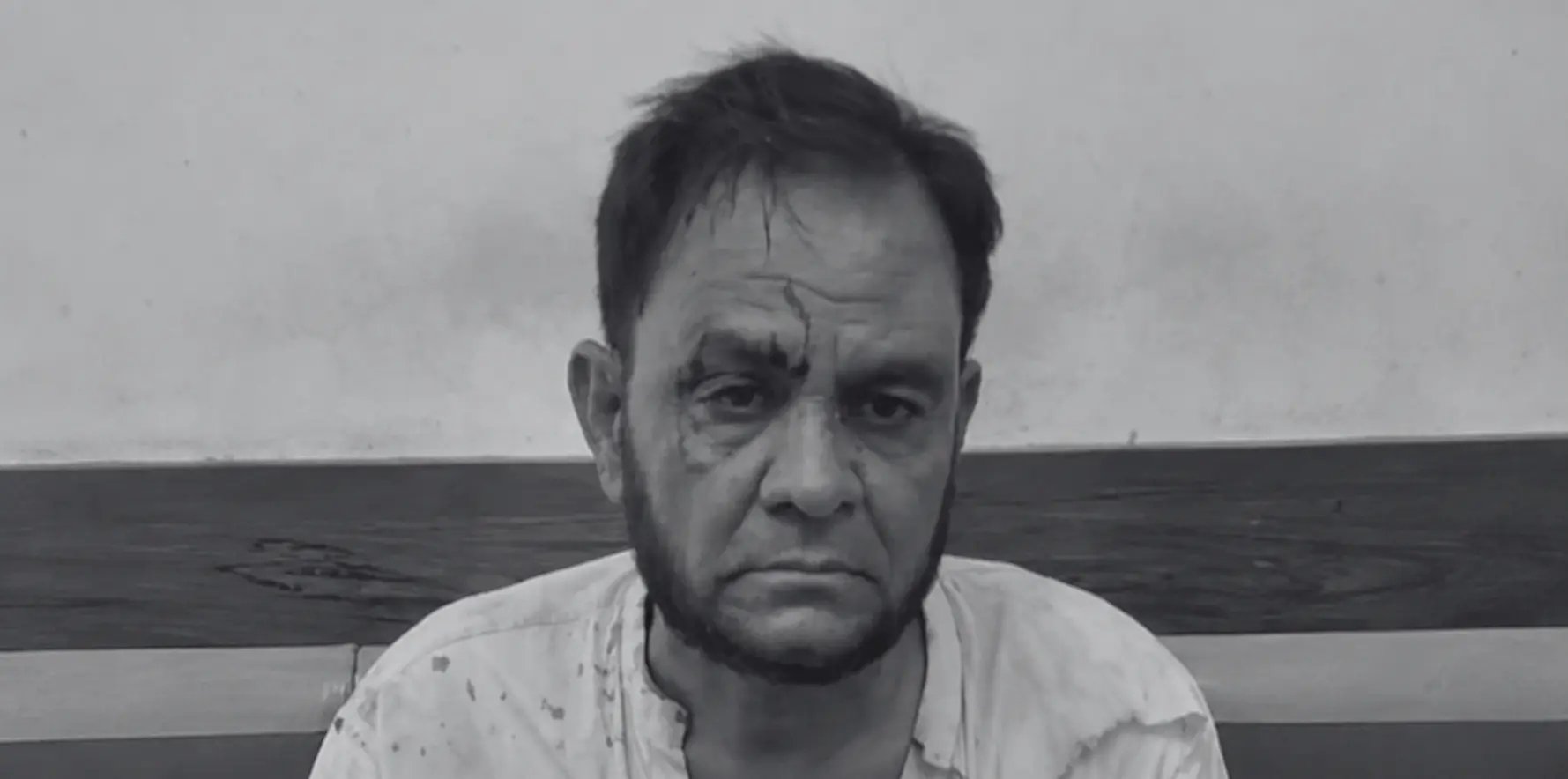
Khurram Mehmood, who lost his three-day-old daughter, told AFP that he believed rescuers took hours to arrive. Jaweria, another bereaved mother, also accused emergency services of responding too slowly and demanded justice. Mudasir alleged that most ward doors were closed and questioned the hospital’s fire-safety arrangements. The conflicting accounts over response times will be a critical part of the investigation.
Health Minister Mustafa Kamal promised accountability, saying nobody responsible for negligence would be protected, including himself. He said the building contained 26 fire extinguishers that were used to contain the blaze and defended restrictions on ward access by pointing to previous incidents involving newborns being stolen from hospitals.
The tragedy has nevertheless raised a much larger question: whether a ward caring for some of the hospital’s most vulnerable patients had adequate systems to prevent an electrical fault or equipment failure from becoming a mass-casualty disaster.
Prime Minister Shehbaz Sharif expressed deep sorrow, ordered an immediate investigation and called the deaths of the children an unbearable loss. He subsequently removed Federal Health Secretary Muhammad Aslam Ghauri from his position as the government moved to establish responsibility.
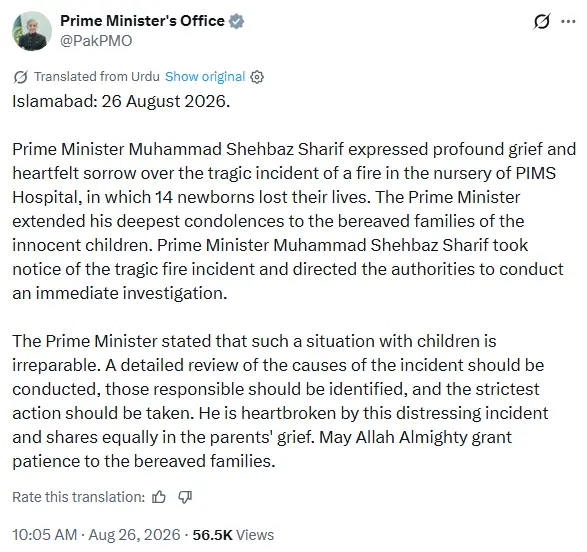
A high-level inquiry committee headed by former interior secretary Shahid Khan has been constituted. A separate multi-agency fact-finding committee was also ordered to investigate the cause and spread of the fire, examine whether adequate fire-safety arrangements existed and assess the emergency response. That panel was directed to submit its findings within 24 hours.
The investigation will also have to address allegations surrounding emergency exits, previous fire-safety concerns and whether staff were sufficiently prepared for an emergency in a ward where oxygen equipment could dramatically increase fire risks.
President Asif Ali Zardari called the deaths heartbreaking and demanded that those responsible be identified and dealt with according to law. Deputy Prime Minister Ishaq Dar, PPP Chairman Bilawal Bhutto-Zardari, First Lady Aseefa Bhutto-Zardari, Nawaz Sharif, Senate Chairman Yousuf Raza Gilani, National Assembly Speaker Ayaz Sadiq and Khyber-Pakhtunkhwa Governor Faisal Karim Kundi were among the political figures expressing condolences and calling for accountability.
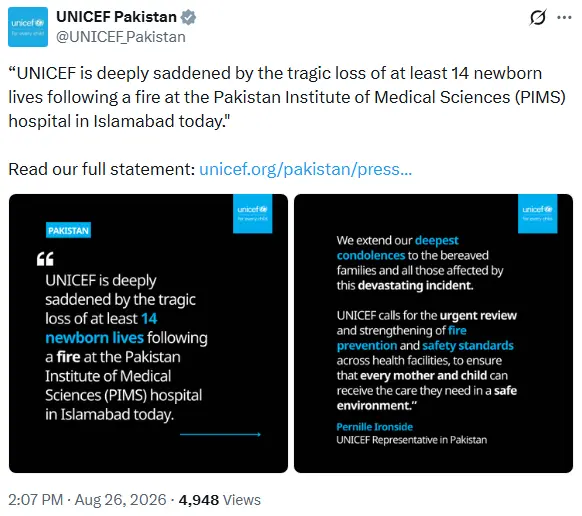
The tragedy also generated demands for broader reform. UNICEF called for an urgent review of fire-prevention and safety standards in healthcare facilities, while the Pakistan Medical Association said failures in administration were turning institutions intended to protect patients into dangerous environments. Civil-society organisations called for an independent or judicial investigation.
For the families, however, institutional reviews cannot undo what happened. Some parents demanded DNA testing to ensure the infants were correctly identified before burial. Others simply wanted answers about why their newborns could not be saved inside one of the country’s most important government hospitals.
Established in 1985, PIMS carries an enormous healthcare burden. Mustafa Kamal said the hospital, originally designed for roughly 200 to 300 outpatient visits, now receives more than 9,000 people daily. That pressure may explain some of the challenges facing the institution, but it does not settle questions of safety, maintenance or accountability.
Pakistan has experienced other serious hospital fires, including incidents at Lahore’s Services Hospital in 2012, Karachi’s National Institute of Child Health in 2020 and Sahiwal Teaching Hospital in 2024. The latest disaster has therefore renewed questions about whether lessons from earlier incidents resulted in meaningful nationwide reforms.
For now, investigators must establish exactly what happened between the first electrical warning and the moment the neonatal ward became engulfed in flames. They must also reconcile the sharply different accounts of how quickly emergency services arrived and determine whether locked doors, electrical systems, oxygen infrastructure, staffing or fire-safety failures contributed to the deaths.
Fourteen newborns entered PIMS needing medical care and never returned home. Beyond condolences and suspensions, the credibility of the government’s response will depend on whether the investigations produce clear findings, those responsible for any proven negligence are held accountable, and hospitals across Pakistan are made safer before another preventable emergency becomes a national tragedy.