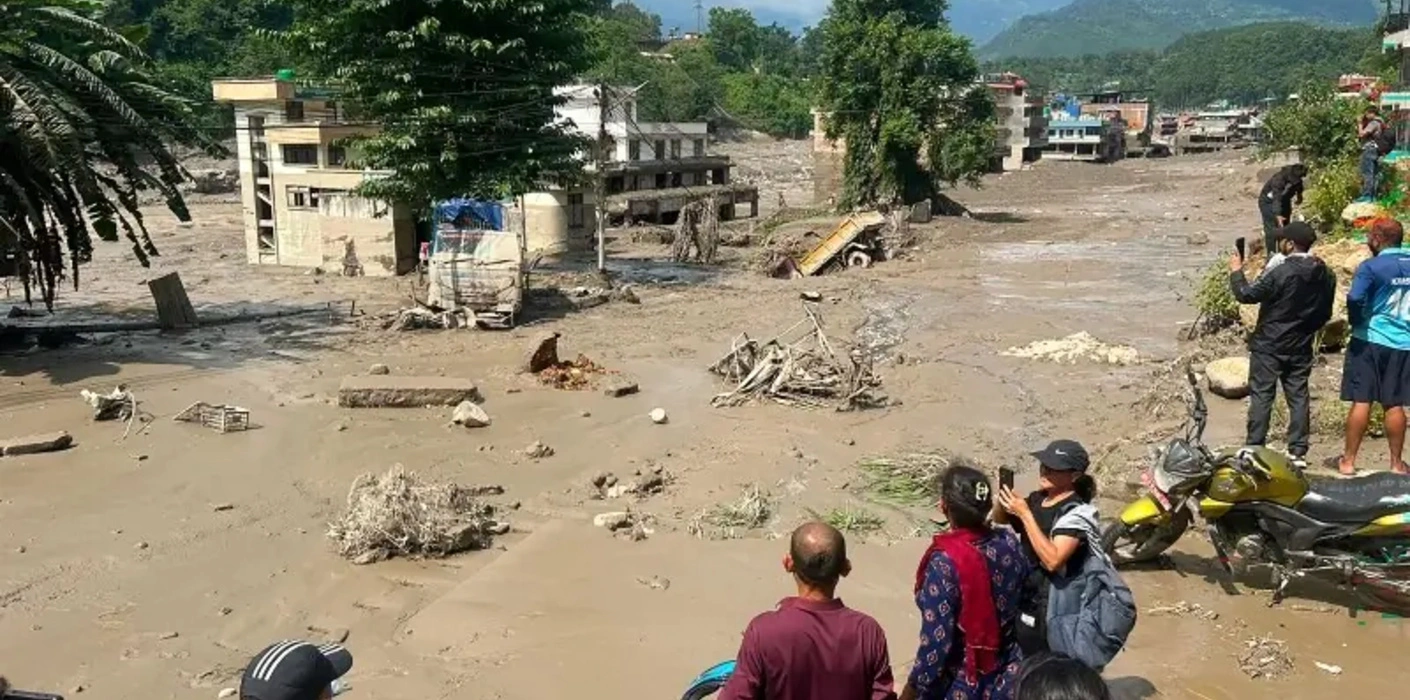








The catastrophic floods that swept through the Nepal-Tibet border region have become far deadlier than initially feared, with at least 273 people confirmed dead and more than 1,300 still missing as rescue teams search devastated mountain communities.
Nepali police said Thursday that at least 270 people had been killed, one day after a massive surge of water, mud and debris tore through communities along the Bhote Koshi and Trishuli rivers. Chinese state media separately confirmed three deaths from the disaster around a Tibet border hub.
More than 500 foreigners from 32 countries remain unaccounted for in the mountainous region, which is popular with international trekkers and pilgrims. Nepal’s Tourism Board said the missing included 65 Americans and 127 Nepali travellers.
Earlier in the emergency, Nepal’s disaster agency reported 823 people out of contact, including 579 Nepali and foreign tourists. Nearly 100 Chinese nationals were among those initially listed, although around 100 missing Indian visitors and 25 Chinese workers were subsequently located.
Across the border, Chinese authorities reported 558 people missing around the Gyirong county land crossing, including 260 foreigners. It remained unclear whether some individuals were included in both Nepalese and Chinese figures.
The scale of the disaster became clearer through surveillance footage from the Chinese side of the frontier. Video showed an enormous wall of mud and debris crashing over a multi-storey building as people ran for safety. Vehicles, including buses and cars, were swept away by the force of the surge.
The US Geological Survey initially registered seismic activity in the area as a magnitude 4.4 earthquake. Following additional seismic and satellite analysis, however, the USGS reclassified the event as a glacial collapse and debris flow rather than an earthquake.
The collapse apparently released an enormous amount of material into the river system, creating what environmental historian Ruth Gamble of La Trobe University described as being “like an inland tsunami.” The destructive surge reportedly travelled nearly 170 kilometres down the Bhote Koshi valley into central Nepal.
Rasuwa was the first Nepali district struck, but fatalities were eventually reported across seven districts as floodwaters moved south towards Chitwan near the Indian border.
Rasuwa, Nuwakot and Dhading, all located along the Trishuli river system, have a combined population of 635,790, approximately 2 percent of Nepal’s population. Rasuwa itself is home to fewer than 50,000 people.
Prime Minister Balendra Shah travelled by road to Bidur in Nuwakot, one of the hardest-hit areas, to assess the destruction and ongoing rescue operation.
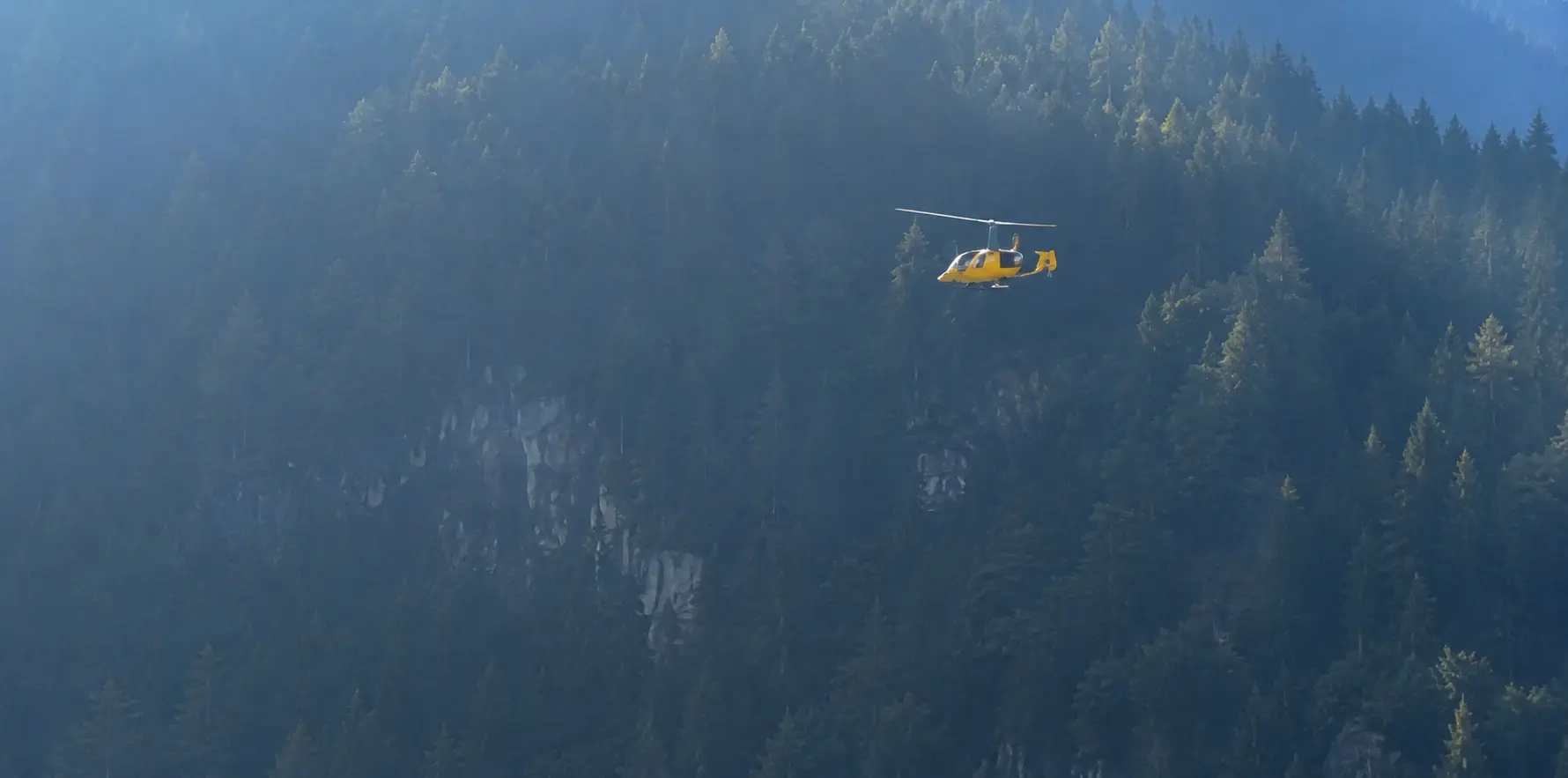
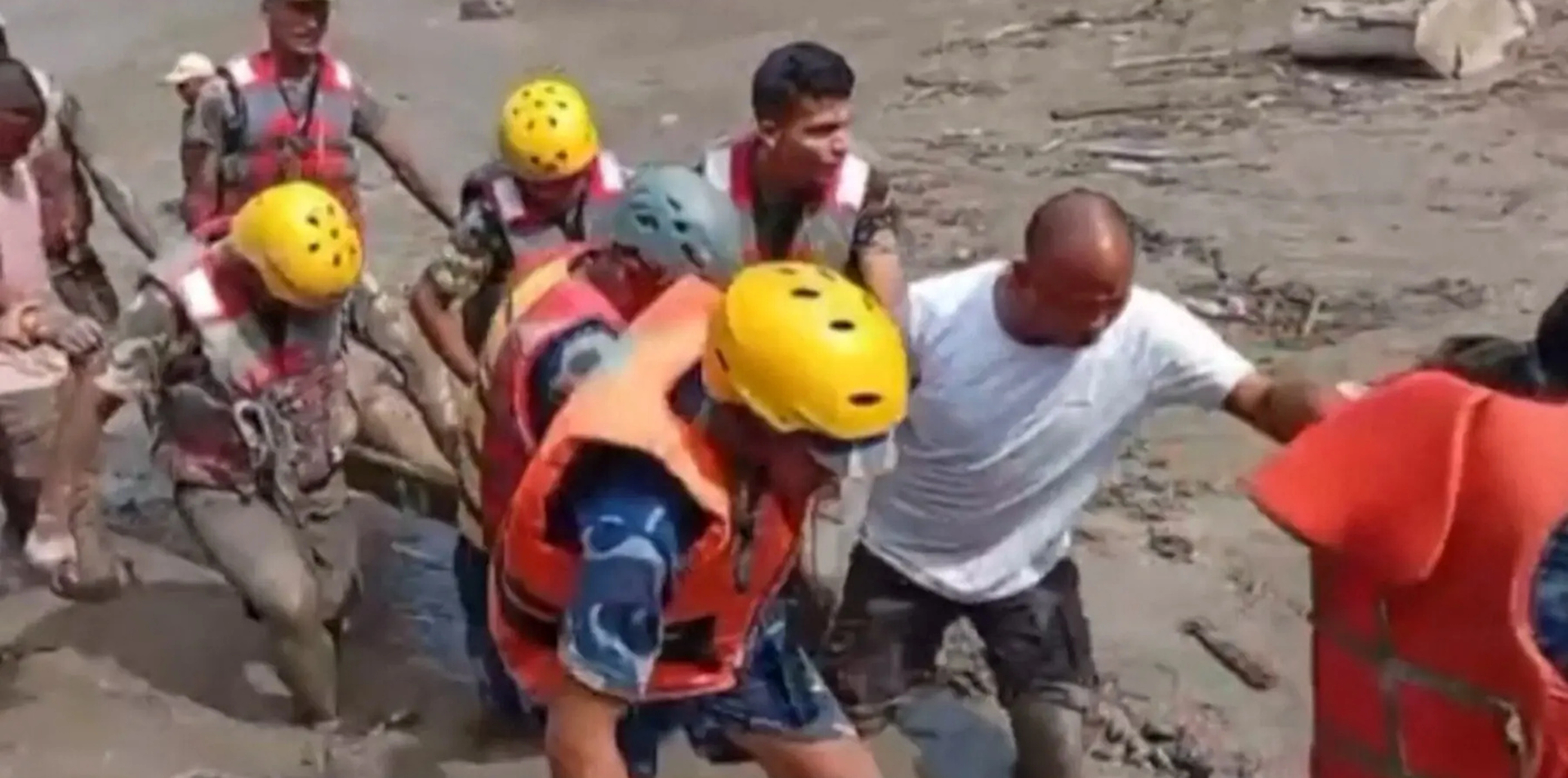
The Nepal Army has deployed helicopters and personnel for rescue operations, while residents in vulnerable areas have been ordered to relocate.
China has also mobilised a major emergency response. President Xi Jinping ordered an “all-out” effort to find missing people, treat those injured and minimise further casualties. Premier Li Qiang later visited Gyirong Town, one of Tibet’s worst-hit areas.
Nearly 800 emergency workers and 150 vehicles, along with sniffer dogs and speedboats, were mobilised in Tibet. However, blocked roads and severe weather reportedly meant the first Chinese rescue teams did not reach the Gyirong border port until almost 22 hours after the disaster.
International assistance is also arriving. The International Federation of Red Cross and Red Crescent Societies dispatched blankets, first-aid kits, stretchers and body bags. Nepal head David Fisher said “entire villages and market areas have been wiped out.”
The United States pledged $500,000 in assistance and deployed a disaster response adviser, while UN Secretary-General António Guterres said United Nations teams were providing personnel and supplies. The Dalai Lama also offered prayers and condolences to victims in Nepal and Tibet.
Scientists are increasingly examining the disaster through the wider risks created by warming Himalayan environments. Rising temperatures are accelerating glacier loss worldwide and can destabilise ice, rock and glacial lakes in mountainous regions.
Qianggong Zhang of the International Centre for Integrated Mountain Development (ICIMOD) warned that an upstream blockage remains, potentially creating conditions for another sudden flood.
With more than 1,300 people still missing, hundreds of foreign travellers unaccounted for and rescue teams struggling through mud, destroyed roads and unstable terrain, authorities fear the confirmed death toll could continue rising significantly.