







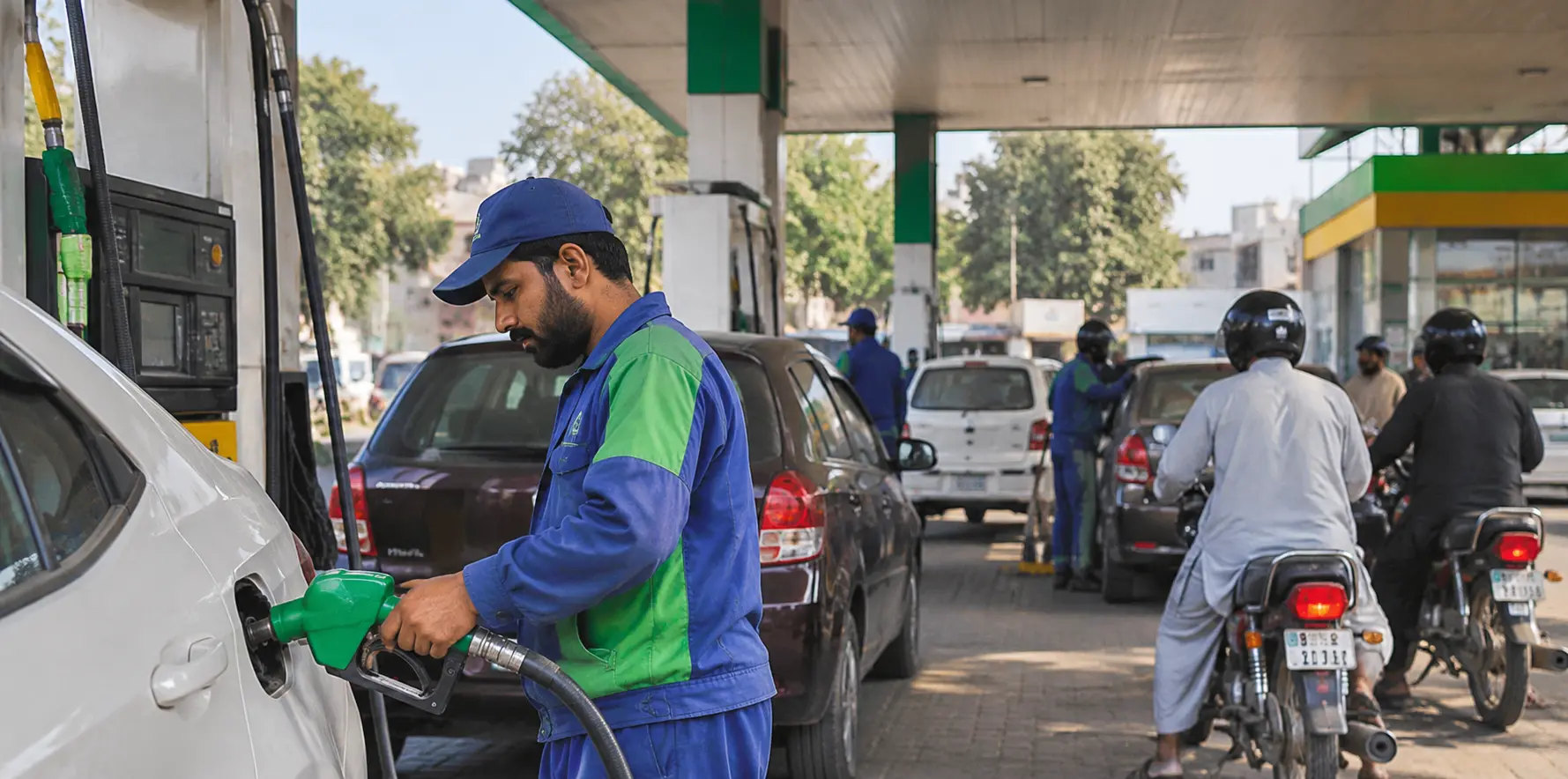

Pakistan has announced another reduction in fuel prices, bringing petrol down to Rs332 per litre and high-speed diesel to Rs360 per litre from November 13, 2026. The latest revision cuts petrol by Rs3 and diesel by Rs4 per litre, marking the eighth consecutive decrease. Although the reductions offer some relief to motorists and businesses, fuel remains expensive for households already struggling with transport costs, food prices and everyday expenses. The government’s decision also comes amid continuing uncertainty in global oil markets, where the Middle East conflict has disrupted energy supplies and complicated pricing decisions.
Pakistan Petrol Price Drops to Rs332 Per Litre
The Oil and Gas Regulatory Authority (OGRA) announced the revised prices on November 12, with the new rates taking effect the following day. Petrol now costs Rs332 per litre, down from Rs335, while high-speed diesel has fallen from Rs364 to Rs360. The reduction continues a series of downward revisions that have gradually brought prices below the extraordinary levels recorded earlier this year. However, the latest cuts remain relatively small compared with the overall cost of fuel. A motorcyclist purchasing 10 litres of petrol will save Rs30, while someone filling a 40-litre car tank will save Rs120. These savings are welcome, but they are unlikely to significantly change monthly household budgets on their own.
Fuel Prices Remain High Despite Repeated Reductions
Pakistan’s fuel market has experienced considerable volatility throughout 2026. Petrol reached Rs458.41 per litre on April 3, while high-speed diesel climbed to Rs520.35. Those increases followed the outbreak of the US-Iran war in late February, which created uncertainty around oil supplies and regional shipping routes. Since their April peaks, petrol has fallen by Rs126.41 per litre and diesel by Rs160.35. These are substantial reductions from the highest recorded levels. Nevertheless, current prices remain well above those seen before the conflict intensified. Petrol cost approximately Rs266 per litre in early March, while diesel had been around Rs281. This explains why consumers may still experience considerable financial pressure despite the recent downward trend.
Petroleum Taxes Continue to Shape Pump Prices
International crude oil prices are only one factor determining what Pakistani consumers pay at petrol stations. Government taxes and duties also account for a significant portion of the final price. According to the latest figures, the government continues to collect Rs114 per litre in taxes and duties on petrol and Rs100 per litre on high-speed diesel. These amounts represent approximately 34% of the current petrol price and 28% of the diesel price. Petroleum taxation provides revenue for the government, but it also affects the affordability of transport and other essential activities. Reducing these charges could lower consumer prices, although doing so would also reduce government revenue unless policymakers identified alternative funding. The challenge is balancing fiscal requirements with the financial pressures facing households and businesses.
Oil Refineries Share the Cost of Fuel Relief
The government has also introduced a temporary arrangement requiring oil refineries to contribute towards petroleum levy costs. Under the measure announced on November 2, refineries will bear a cumulative impact of Rs15 billion over 30 days. Officials say the arrangement allows a reduction of Rs14.71 per litre in the petrol price paid by consumers. This measure demonstrates how authorities are attempting to distribute some of the financial burden across the petroleum supply chain. However, the arrangement is temporary, and its longer-term implications will depend on how the government manages fuel pricing once the 30-day period ends. Policymakers must also consider refinery finances, investment requirements and the sustainability of such interventions.
Diesel Prices Affect Transport and Food Costs
High-speed diesel plays an important role in Pakistan’s economy because commercial vehicles, freight operators, agricultural machinery and some power generators depend on it. When diesel becomes more expensive, businesses may face higher costs for moving goods and maintaining operations. These expenses can eventually influence retail prices, particularly for food and other products transported over long distances. A Rs4 reduction per litre could provide some immediate relief to transport operators, especially those purchasing large quantities of diesel. However, lower fuel costs do not automatically translate into cheaper consumer goods. Businesses may still face high electricity bills, labour expenses and other operating costs. The effect on inflation will depend on whether transport savings are passed through to customers and whether fuel prices continue to decline.
Fuel Subsidy Scheme Supports Eligible Motorists
Alongside general price reductions, the government has introduced targeted assistance through the Prime Minister’s Fuel Relief Scheme. Launched nationwide on September 17, the programme covers eligible motorcycle owners, rickshaw drivers and motorists using vehicles with engine capacities of up to 800cc. The scheme aims to reduce transport expenses for groups particularly vulnerable to fuel price increases. For many households, motorcycles provide the most affordable means of reaching workplaces, schools and markets. Rickshaw drivers also depend directly on fuel purchases to earn their daily income. However, the programme’s effectiveness depends on straightforward registration, reliable verification and cooperation from participating petrol stations. General fuel price reductions and targeted subsidies serve different purposes, but both can contribute to easing transport costs when implemented effectively.
Global Oil Markets Remain Uncertain
The latest domestic price revision comes as international crude oil markets continue responding to geopolitical developments. On November 12, Brent crude futures were trading around $93.40 per barrel, while US West Texas Intermediate crude stood near $86.54. Prices moved higher during the day despite earlier declines, reflecting competing pressures from increased production and continuing geopolitical tensions. Developments involving Iran, the United States and Russia remain important influences on global energy markets. For Pakistan, which relies heavily on imported petroleum products and crude oil, changes in international prices can quickly affect domestic fuel costs. Exchange-rate movements, freight charges and government taxation also influence the final price. Consequently, another international oil price increase could interrupt the recent downward trend.
Frequent Price Revisions Create Planning Challenges
Since July 17, Pakistan has been revising petroleum prices on a near-daily basis in response to international market fluctuations. Previously, authorities had introduced weekly adjustments during the earlier stages of the Middle East conflict. More frequent revisions allow domestic prices to respond relatively quickly to changes in global markets. However, they can also create uncertainty for transport companies, retailers and consumers trying to manage their budgets. Businesses may struggle to estimate operating costs when fuel prices change repeatedly, while households cannot easily predict their monthly transport expenses. Greater transparency about pricing calculations and timely announcements can help consumers understand why prices rise or fall.
Lower Fuel Prices Offer Relief but Not Full Recovery
Pakistan’s eighth consecutive fuel price reduction represents continued progress from the extreme levels recorded in April. Petrol and diesel have both become considerably cheaper than they were at their peaks, providing some relief to motorists, transport operators and businesses. Yet current rates remain high compared with prices before the regional conflict, and the latest reductions will produce only modest savings for individual consumers. The government’s fuel subsidy programme and temporary refinery arrangement provide additional support, but their effectiveness and sustainability will require continued monitoring.
For households and businesses, meaningful relief will depend not only on further reductions at petrol pumps but also on greater stability in energy markets and lower costs across the wider economy.