





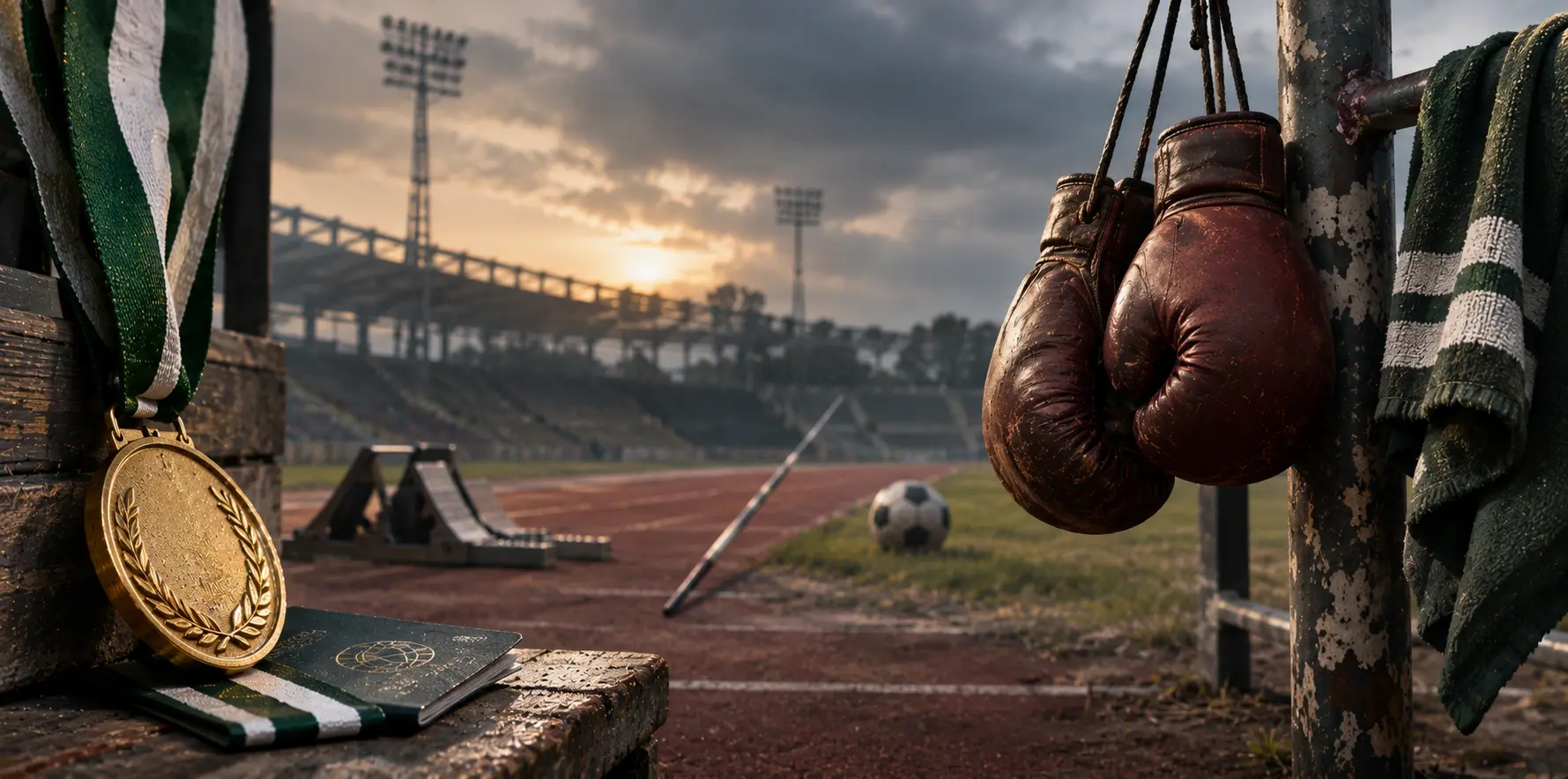

Pakistan has no shortage of sporting talent. What it often lacks is the system to help that talent succeed.
From boxing rings to athletics tracks, talented individuals spend years training, competing and representing the country. Yet many struggle to secure funding, international exposure, proper facilities and even the travel documents needed to participate in competitions.
The latest example is Pakistani boxer Mohammad Waseem, whose repeated visa difficulties have reportedly cost him valuable international opportunities.
His experience raises a much bigger question. Why do Pakistani athletes still have to fight so hard for basic professional support?
Mohammad Waseem’s Struggle Reflects a Bigger Problem

Mohammad Waseem is among Pakistan’s most accomplished professional boxers. He has won international titles and represented the country at major sporting events.
However, his career has repeatedly been interrupted by visa delays.
In November 2026, Waseem revealed that his passport had been with the Spanish Embassy since July. He said the delay had prevented him from pursuing international fights and affected his training.
The boxer has previously missed opportunities in Europe and Dubai because of visa complications.
For a professional athlete, such delays can have serious consequences.
International competitions are scheduled months in advance. Training camps, sponsorship arrangements and ranking opportunities depend on athletes being able to travel on time.
Missing a competition can mean losing an opportunity that may never return.
Waseem has requested government assistance, including a diplomatic passport, although such a document would not automatically guarantee visa approval.
His frustration reflects the difficulties faced by athletes who must manage administrative challenges alongside the demands of professional sport.
Pakistan Celebrates Winners but Often Overlooks Their Journey
When Pakistani athletes win international medals, they receive national attention.
Their photographs appear across social media. Officials congratulate them, and announcements of rewards often follow.
However, the years of preparation behind those achievements rarely receive the same attention.
Training at an international standard requires qualified coaches, specialised equipment, medical support, proper nutrition and access to competitions.
These resources are expensive.
Athletes without reliable financial backing may have to depend on personal savings, family assistance or occasional sponsorships.
This creates an uneven system in which sporting success can depend partly on an athlete’s ability to afford the journey.
Pakistan’s sports development strategy must address what happens before an athlete reaches the podium, not simply what happens afterwards.
Arshad Nadeem Shows What Pakistani Athletes Can Achieve
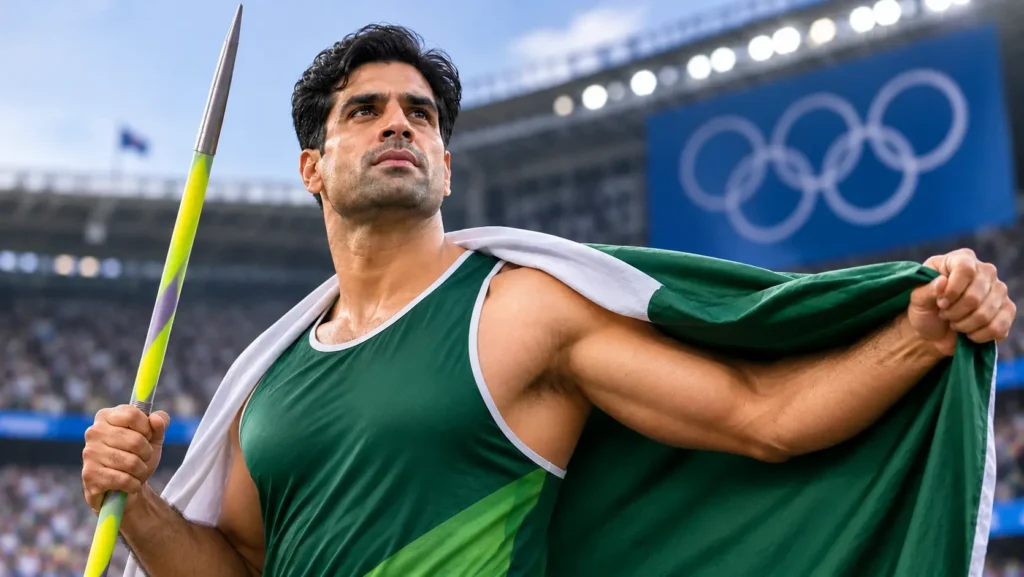
Olympic champion Arshad Nadeem offers one of the clearest examples of Pakistan’s sporting potential.
His gold medal in the men’s javelin throw at the 2024 Paris Olympics was a historic achievement.
It also brought renewed attention to the challenges faced by athletes competing outside cricket.
Nadeem’s journey demonstrated the importance of determination, coaching and access to specialised training.
However, individual success should not become an excuse for weak sporting institutions.
An athlete reaching the highest level despite limited resources is remarkable. But a strong sports system should make that journey more accessible for others.
Pakistan should be developing pathways that allow promising athletes to progress from school competitions to national championships and eventually international events.
One Olympic champion should inspire a generation, but that inspiration needs practical support.
Cricket’s Success Should Not Leave Other Sports Behind
Cricket remains Pakistan’s most popular and commercially successful sport.
It attracts sponsorships, television audiences and significant investment.
There is nothing wrong with that success.
The problem arises when other sports struggle to secure even basic resources.
Boxing, wrestling, hockey, athletics, squash and weightlifting all have histories of producing talented Pakistani competitors.
Yet many athletes in these disciplines face limited facilities, inconsistent funding and fewer professional opportunities.
Pakistan once dominated international squash through legendary players such as Jahangir Khan and Jansher Khan.
The country also enjoyed a distinguished history in field hockey, winning three Olympic gold medals.
These achievements demonstrate that Pakistan’s sporting identity has never belonged to cricket alone.
Reviving that diversity requires long-term investment rather than occasional campaigns following international victories.
Funding Alone Will Not Fix Pakistan’s Sports System
Increasing sports budgets is important, but money must reach the people and programmes that need it.
Pakistan requires transparent funding systems, qualified coaching programmes and stronger coordination between sports federations and government departments.
Athletes should know how to apply for financial assistance and what support they can expect.
National federations should also be accountable for selection procedures, training opportunities and the use of public resources.
Without transparency, additional funding may not produce better results.
There is also a need to improve sports facilities outside major cities.
Promising athletes from smaller towns often face additional expenses when travelling to urban centres for coaching and competitions.
A stronger regional sports network could identify talent earlier and reduce those barriers.
Visa Support Should Be Part of Athlete Development
Mohammad Waseem’s situation shows why international travel assistance deserves greater attention.
For athletes competing abroad, obtaining a visa is not an optional administrative task. It is part of their professional preparation.
Sports federations should work with relevant government departments to ensure athletes receive timely documentation, verified invitations and assistance with applications.
However, foreign embassies retain authority over visa decisions.
The aim should therefore be to reduce avoidable delays and improve coordination rather than promise approvals that Pakistan cannot guarantee.
A dedicated support mechanism for athletes representing Pakistan internationally could help prevent missed competitions.
Such assistance would benefit not only boxers but also wrestlers, runners, martial artists and competitors in other disciplines.
Private Sponsors Must Look Beyond Cricket
Corporate sponsorship can also play a significant role in improving Pakistan’s sporting future.
Businesses regularly invest in cricket because of its large audiences and commercial appeal.
However, supporting emerging athletes in other sports can create meaningful opportunities for both companies and competitors.
Sponsorship does not always require enormous budgets.
Funding a training camp, providing equipment or covering travel expenses can make a substantial difference to an athlete preparing for an international event.
Universities and private sports academies could also help develop talent through scholarships and structured training programmes.
The challenge is building partnerships that continue beyond a single tournament or medal-winning performance.
Pakistan Needs a System That Produces Champions
The stories of Mohammad Waseem and Arshad Nadeem reveal different sides of Pakistan’s sporting landscape.
One athlete continues struggling with administrative barriers despite international achievements. Another has demonstrated what exceptional talent can accomplish on the world’s biggest stage.
Both experiences point towards the importance of sustained support.
Pakistan cannot expect athletes to consistently compete against countries with advanced training facilities, professional coaching systems and established sports development programmes without making comparable investments.
Talent is the starting point. It is not a substitute for preparation.
Sports authorities need to prioritise grassroots development, transparent funding, international exposure and long-term athlete welfare.
Most importantly, support should not depend entirely on whether an athlete has already won a medal.
Pakistan should not have to wait for an athlete to become a national hero before helping them pursue their ambitions.
The country has celebrated enough sporting miracles. It is time to build a system where success becomes the result of preparation, opportunity and consistent investment rather than extraordinary individual struggle.