






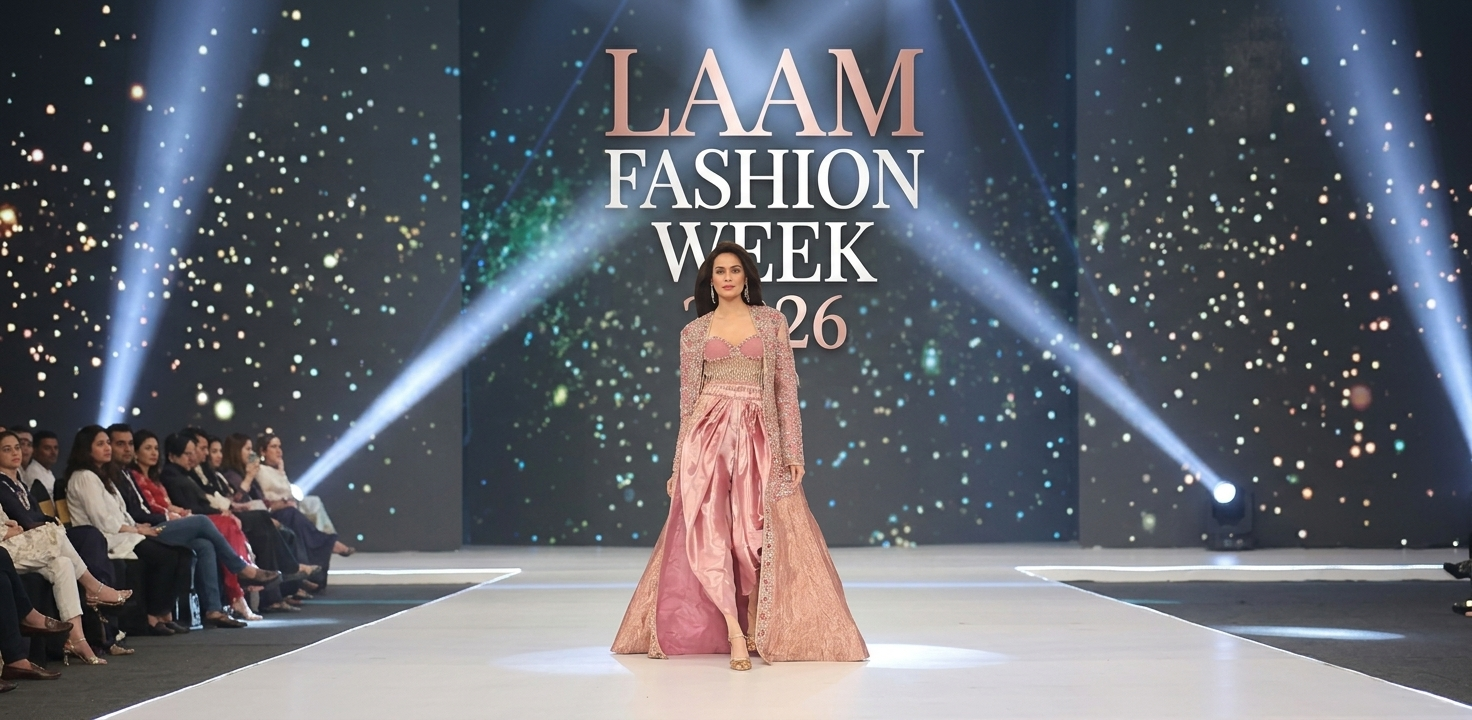

If your wardrobe has been feeling a little uninspired, Lahore just gave you plenty of reasons to reconsider it. LAAM Fashion Week Season 2 took over the city from October 23 to 26, bringing together more than 50 designers and brands across 43 shows. From traditional craftsmanship and wedding season glamour to experimental streetwear and metallic couture, the runway had a little something for every fashion personality.
But here is the real question. Were we looking at clothes we would love to wear, collections that made us stop scrolling, or runway moments that deserved their own group chat?
This season offered all three.
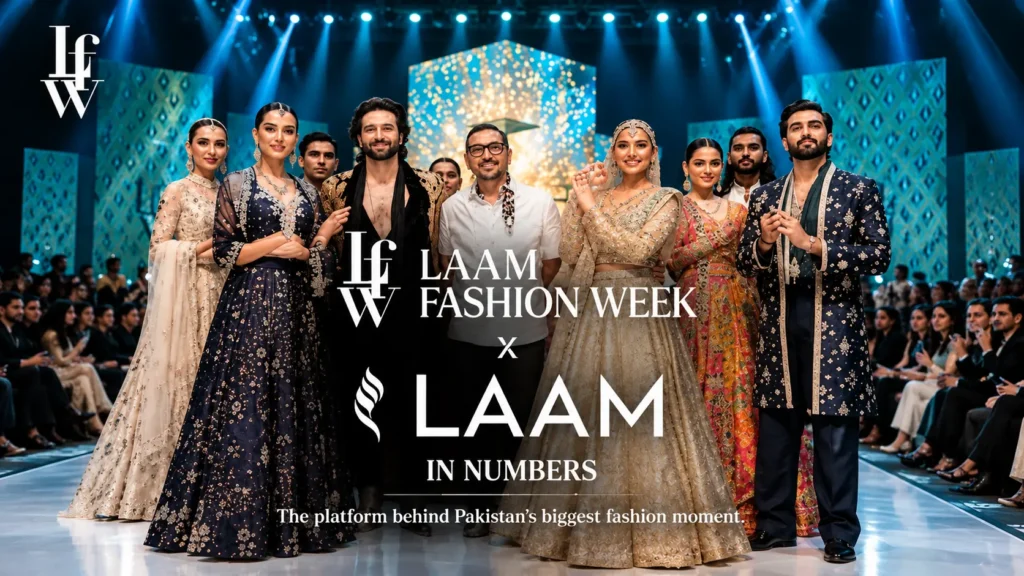
Co-created by LAAM and Design651, the event continued its runway to e-commerce approach, connecting fashion presentations with digital shopping through the LAAM app and website. In other words, admiring a look did not necessarily have to end with saving a screenshot and hoping to find something similar later.
And with four days of fashion to discuss, there was plenty to keep the conversation going.
Hussain Rehar Understood the Assignment
Some collections make you appreciate the craftsmanship. Others make you immediately imagine how you would style the clothes yourself. Hussain Rehar’s Jugnu Studios managed to do both.
Its collection, Rabbits with Flowers, brought a playful, unconventional energy to the runway. Unexpected combinations and confident styling gave the pieces personality without making them feel impossible to wear outside a fashion show.
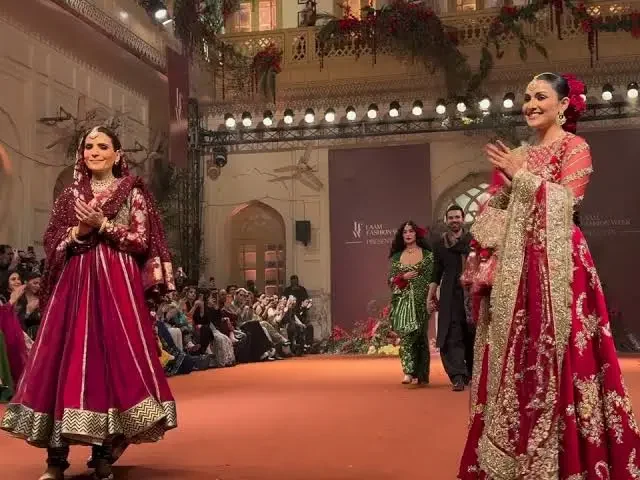
That balance is harder to achieve than it looks. Experimental fashion can easily become something people admire from a distance but would never consider buying. Jugnu Studios made a case for creativity that could work in real wardrobes, too.
The question now is simple. Would you wear the look exactly as styled, or make it your own?
Mo by Mohsin Tawasuli Made Heritage Feel Fresh
Heritage fashion does not have to mean repeating the past. Mo by Mohsin Tawasuli offered a reminder of that with a collection inspired by museum artefacts and heritage sites.
Modern silhouettes, thoughtful detailing, fluid draping and precise tailoring brought historical references into a contemporary setting. Rather than relying on nostalgia alone, the collection explored how the past could inform the way we dress today.
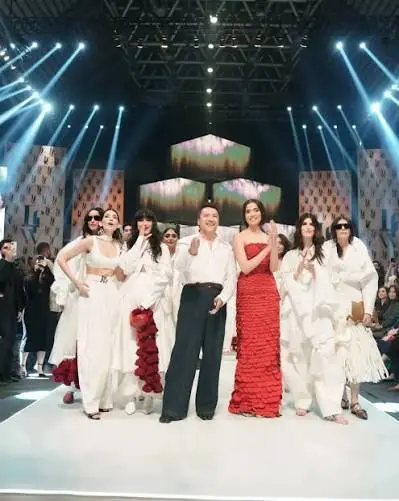
That is what makes heritage inspired fashion interesting. The references give the clothes a story, while the construction and styling determine whether that story feels relevant now.
It was a collection for anyone who appreciates tradition but does not want their wardrobe to feel stuck in another era.
Mihha Brought the Chocolate Tones We Want to Wear
Meet the colour palette that made a strong case for keeping things rich and understated.
Mihha made its runway debut with mocha, brown and chocolate tones, alongside craftsmanship that was particularly visible in the stitching of its blouses and bodices. The result was a collection that put fabric, fit and finishing at the centre of the conversation.
Not every memorable look needs a dramatic colour or an extravagant embellishment. Sometimes, the appeal lies in the details you notice when you look a little closer.
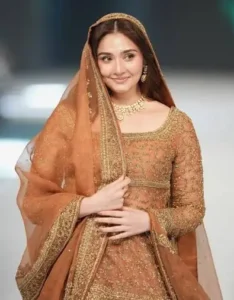
The collection also featured actor Durefishan Saleem as its showstopper. Her appearance attracted attention, although the use of a previously seen outfit raised questions about the styling choice for an otherwise carefully presented collection.
Still, Mihha offered a compelling reminder that rich neutrals and thoughtful craftsmanship can make formal dressing feel luxurious without relying on excess.
HSY Took Metallic Glamour to the Finale
If your idea of a grand finale involves shimmer, sparkle and clothes that catch the light from across the room, HSY understood the assignment.
His collection Venus closed the season with luxury pret in silver, chrome, gold, copper and rose gold. Crystals and reflective surfaces brought glamour to the runway, while polished silhouettes kept the collection grounded in wearable fashion.
The metallic palette also offered a change of direction from the designer’s familiar aesthetic. That willingness to explore something different made the finale particularly interesting.
And now we have to ask. Are you reaching for silver, going all in on gold, or choosing rose gold for your next dressed up occasion?
Ali Xeeshan Found His Maqsad
A fashion collection needs more than individual statement pieces. It needs a reason for those pieces to belong together.
Ali Xeeshan’s Maqsad presented a more cohesive vision, bringing together confident colours, considered styling and a clearer creative direction. The collection demonstrated how a designer can retain a recognisable identity while making the overall presentation feel more focused.
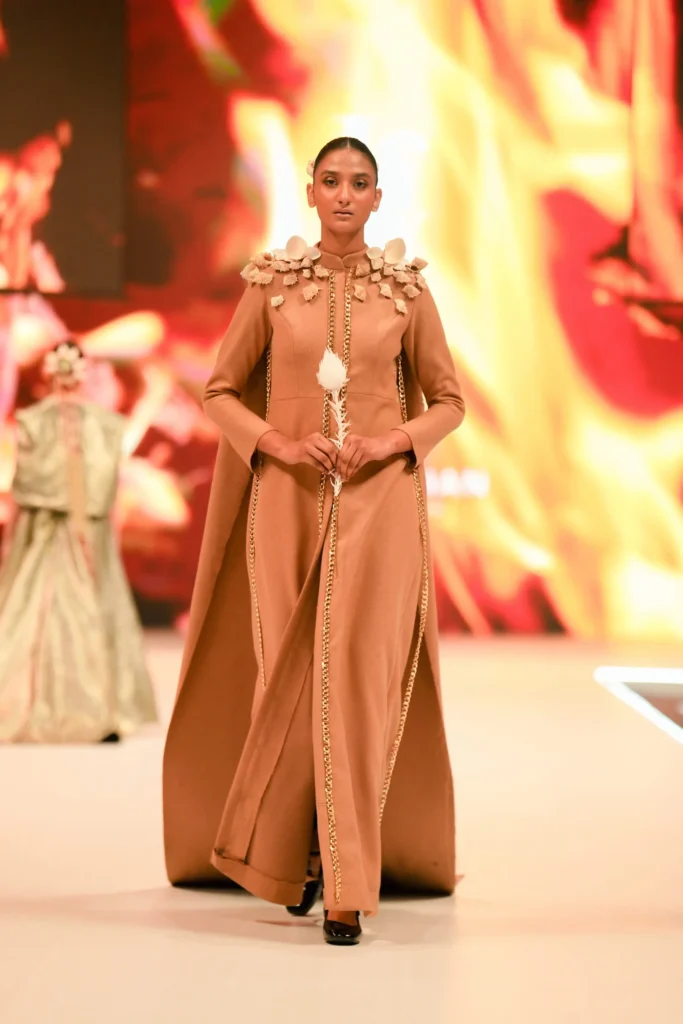
That distinction matters. A signature style gives an audience something to recognise, but the most interesting designers continue to develop it rather than rely on familiarity alone.
For Xeeshan, Maqsad offered a more unified statement on the runway.
Fashion With Something to Say
Not every runway moment was about what to wear to a wedding or which trend might dominate the next season.
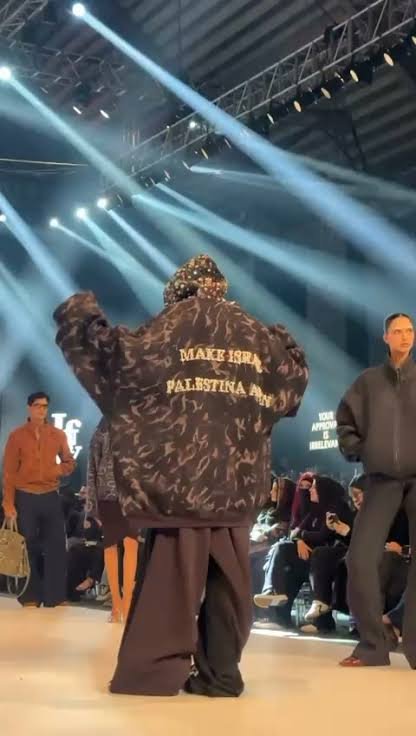
Dreams of Arthur brought a pro-Palestine message into its streetwear presentation through a statement garment carrying the words “Make Israel Palestine Again”. The moment placed political expression alongside the collection’s experimental styling and protest inspired visual language.
Parishae Adnan’s Ikhtiaar explored women’s agency through a darker palette of black and charcoal, with metallic details and sculptural silhouettes. The presentation opened with a video in which the designer shared her experience of being stalked, giving the collection a personal context beyond its clothes.
These moments showed how fashion can communicate ideas about identity, personal freedom and the world beyond the runway.
Because sometimes an outfit is not just an outfit. It can also be a statement about what matters to the person wearing it.
The Designers Who Know Their Signatures
Familiar aesthetics had their place, too.
Sania Maskatiya’s Laleh brought painterly prints, joyful colours, playful layering and gota work into contemporary silhouettes. DUNO by Hassan and Yahsir Waheed continued to draw on distinctive prints and wearable styling, while Emraan Rajput’s After Dark presented an all black menswear direction with structured coats, tailoring and oversized silhouettes.
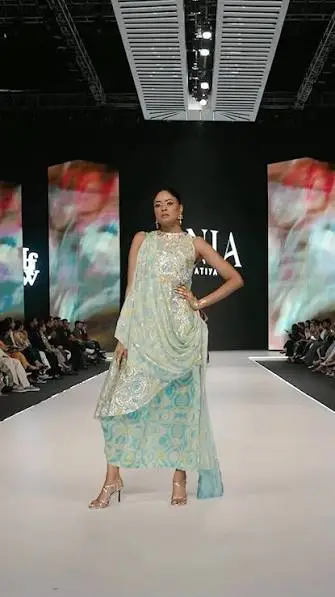
Fahad Hussayn’s An Atlas of Empires, presented under Print Museum, drew on artistic and architectural influences from across historical regions, translating those references into couture and bridal design. Nilofer Shahid’s Meeras explored the evolution of Pakistani dress through different historical periods.
These collections approached identity in different ways, but they raised an interesting question for the industry. How does a designer keep a recognisable style without repeating the same ideas season after season?
The answer may lie in knowing which elements make a label distinctive and which ones are ready for a rethink.
The Runway Was Only Part of the Story
One of LAAM Fashion Week’s defining features is its connection between the physical runway and digital commerce. That approach brings a practical question into a traditionally image driven event. Can the excitement of a fashion show translate into a shopping experience?
It is a useful question for designers, retailers and shoppers alike. A striking runway look can capture attention, but accessible styling, clear brand identity and pieces that appeal to real customers can help carry that interest further.
The event also brought retail ready businesses and independent designers into the same broader fashion conversation. That matters in an industry where creative ambition and commercial realities have to work together.
After all, fashion needs room for experimentation, but it also needs people who want to wear the clothes.
So, What Did LAAM Fashion Week Season 2 Tell Us?
From Jugnu Studios’ playful approach and Mo by Mohsin Tawasuli’s thoughtful relationship with heritage to HSY’s metallic finale and Dreams of Arthur’s political statement, Season 2 offered several ways to think about Pakistani fashion.
There was romance, craftsmanship, experimentation and plenty of glamour. More importantly, there were collections that showed how different a designer’s voice can be when the clothes have a clear identity and purpose.
Now it is your turn to weigh in.
Which collection would you actually wear? Which runway moment stayed with you after the show ended? And what would you like to see Pakistani designers experiment with next season?
Because the best part of fashion is not simply watching the clothes go by. It is deciding what speaks to you, what belongs in your wardrobe and what makes you look twice.