







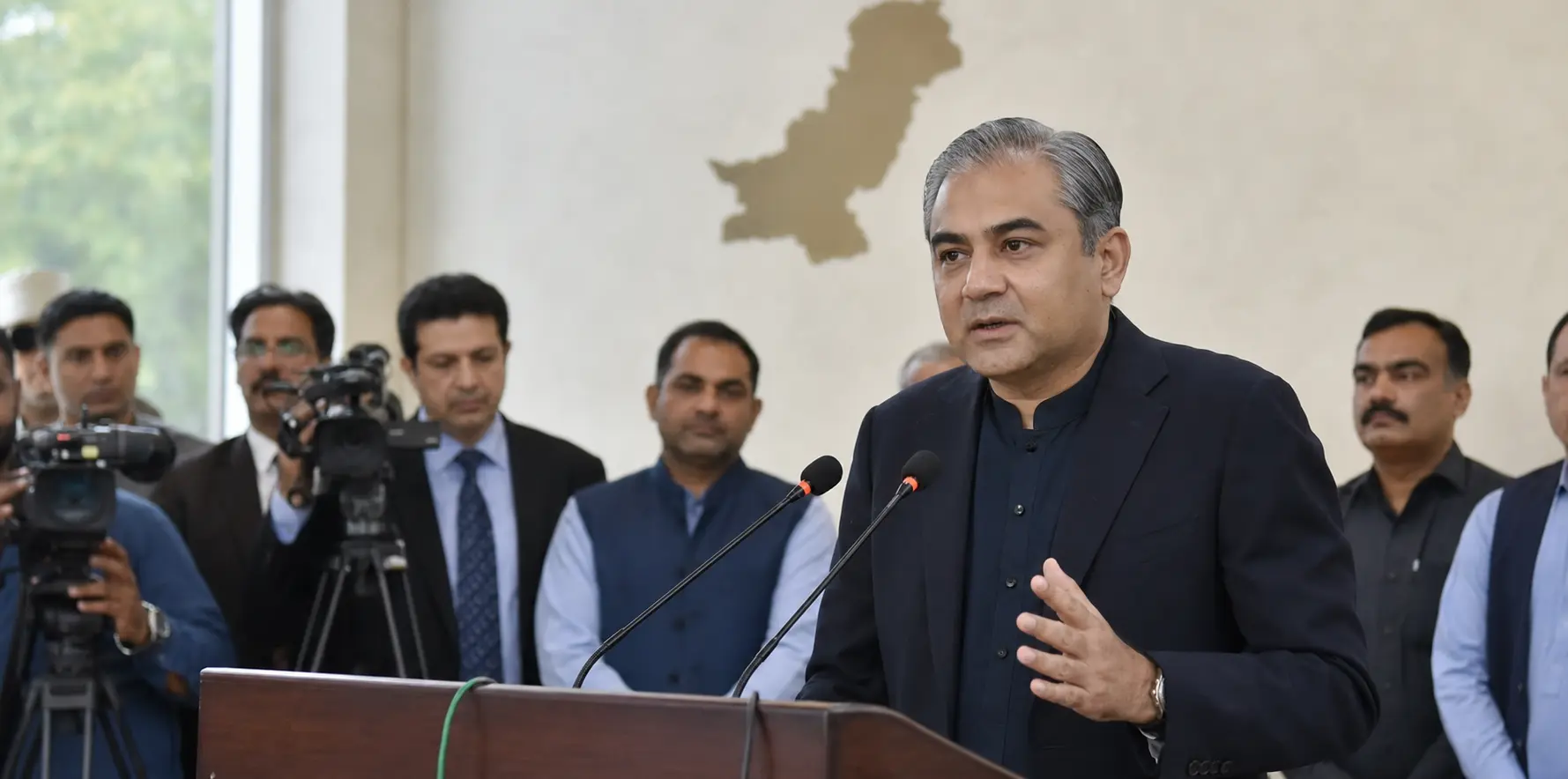

Interior Minister Mohsin Naqvi has proposed creating smaller administrative units across Pakistan, arguing that the country’s current governance structure is no longer equipped to meet the needs of a growing population and increasingly complex administrative challenges. The proposal has sparked political debate, with the Pakistan Peoples Party (PPP) urging caution and stressing that no formal reform plan has been presented.
Speaking on the issue, Naqvi said Pakistan should consider restructuring its administrative framework to improve governance, public service delivery and development. He argued that creating smaller administrative units could make government institutions more responsive and efficient, particularly in densely populated regions where existing provincial structures face growing pressure.
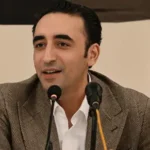
The proposal, however, has received a measured response from the PPP. Party leaders said that while administrative reforms can be discussed, there is currently no concrete proposal outlining how such a restructuring would be implemented. They cautioned against expanding the debate without first building broad political consensus among stakeholders.
PPP representatives emphasised that any change affecting Pakistan’s administrative or constitutional structure should be considered carefully through dialogue involving all major political parties. They maintained that discussions of this scale require a transparent framework rather than broad political statements.
The exchange has revived a long-running national debate over governance reforms, including proposals for new provinces or smaller administrative units aimed at improving public administration and decentralising government functions. Similar discussions have surfaced periodically over the past two decades but have rarely advanced beyond the political stage due to constitutional, administrative and political complexities.
Analysts note that any significant restructuring would likely require constitutional amendments, parliamentary approval and extensive consultation with provincial governments. As a result, any proposal would face substantial legal and political hurdles before implementation.
For now, Naqvi’s remarks remain a policy proposal rather than an official government reform plan. No legislation, constitutional amendment or administrative framework has been introduced, and no formal timeline has been announced. The discussion is therefore expected to remain part of the broader political debate on governance reforms unless the government presents a detailed proposal in the future.