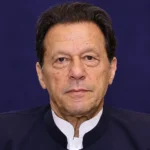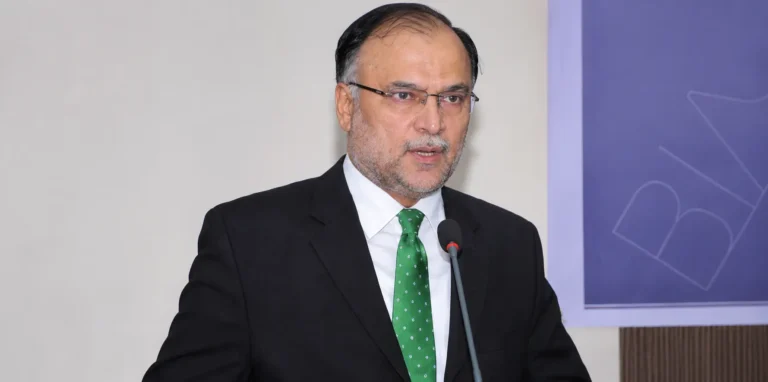








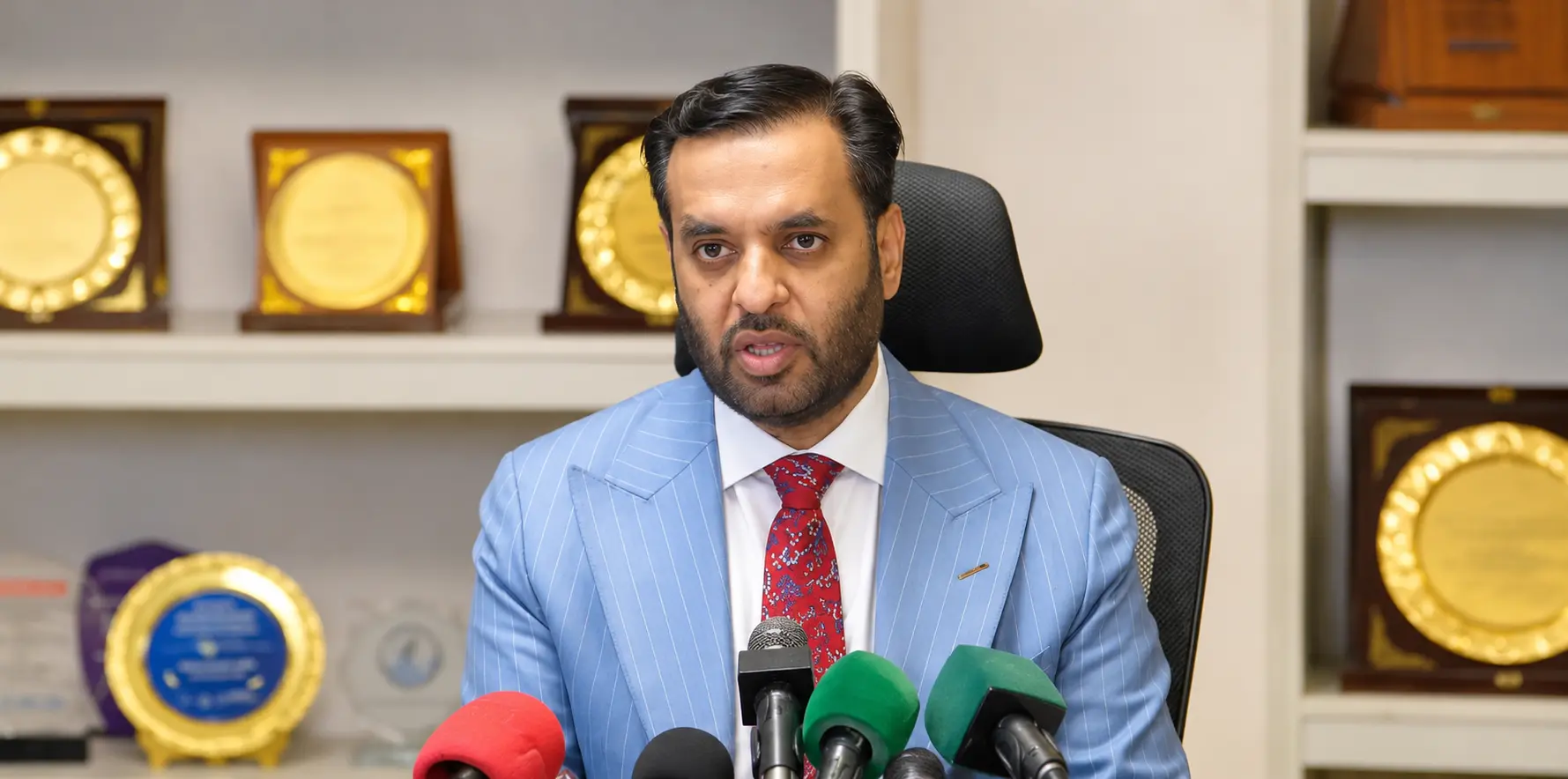

Federal Health Minister Mustafa Kamal has rejected allegations of a multibillion-rupee vaccine scam, insisting that no public money was lost in a controversial procurement arrangement for Umrah pilgrims and overseas job seekers. Speaking at a press conference in Islamabad on November 10, 2026, Kamal said the Rs183 million collected from applicants remained in an account maintained by the National Database and Registration Authority (Nadra). However, he acknowledged that an official inquiry had identified procedural violations in the procurement process, raising questions about government oversight and accountability.
The controversy centres on the procurement of meningococcal meningitis and influenza vaccines through a public-private partnership involving Border Health Services-Pakistan (BHS). While the minister disputes claims of financial corruption, the inquiry’s findings suggest that officials failed to follow established procurement procedures.
Mustafa Kamal Rejects Pakistan Vaccine Procurement Scam Claims
Kamal dismissed allegations circulating on social media that the procurement arrangement involved Rs10 billion in corruption. He maintained that the government had suffered no financial loss because the funds collected from applicants remained deposited with Nadra. According to the minister, a private company purchased the vaccines but had not received payment from the collected funds. He also said the supplier had incurred losses after procuring the vaccines without receiving reimbursement.
The minister’s explanation draws an important distinction between financial loss and procedural misconduct. The absence of confirmed missing funds does not necessarily mean the procurement process complied with government regulations. Kamal acknowledged that officials had bypassed established procedures, making administrative accountability a separate concern from allegations of embezzlement.
Vaccine Prices Raise Questions Over Procurement Costs
The controversy intensified after questions emerged about differences in vaccine costs under the previous and revised arrangements. The earlier vaccination system reportedly involved a cost of approximately Rs1,250 per dose per person, while the new arrangement placed the amount at around Rs4,500 per pilgrim.
The difference prompted concerns about how authorities determined prices and whether the new procurement process offered appropriate value. However, the reported figures alone do not establish corruption. A complete assessment would require examining the vaccines included, service charges, procurement terms and the responsibilities assigned to the private supplier.
For pilgrims and overseas workers, vaccination expenses represent another cost associated with international travel. Transparent pricing matters because applicants need to understand what they are paying for and whether the charges reflect approved government procedures.
Inquiry Finds Violations by Border Health Services Officials
Prime Minister Shehbaz Sharif ordered an investigation into the procurement arrangement after allegations of irregularities emerged. A five-member committee, headed by the Cabinet Division secretary, examined whether the process followed applicable rules.
Kamal explained that the Health Ministry established a procurement committee on May 9 and created a separate grievance committee under the director general of health. However, according to the minister, BHS officials subsequently formed their own procurement and appellate committees without following the ministry’s arrangements.
The inquiry found that officials bypassed the ministry and violated Public Procurement Regulatory Authority (PPRA) rules. It also identified responsibility among BHS officials, procurement committee members and a subsequent director who endorsed the process.
These findings point to weaknesses in administrative control. Procurement rules exist to ensure that public-sector purchasing decisions remain transparent, competitive and subject to appropriate oversight.
FIA Takes Action Following Procurement Investigation
The controversy has moved beyond an internal administrative inquiry. Kamal said the Prime Minister’s Office directed the Federal Investigation Agency (FIA) to take action against officials implicated in the process. According to the minister, authorities arrested the officials concerned and sent them to jail.
The arrests represent a significant development, but they do not establish criminal guilt. Investigators and courts must determine whether the alleged procedural violations also constitute criminal offences.
Kamal said the Health Ministry had implemented the inquiry committee’s recommendations and would establish a new procurement committee. He also promised to publish the inquiry report on the ministry’s website.
Making the findings publicly available would allow greater scrutiny of the procurement decisions, the responsibilities of individual officials and the measures introduced to prevent similar problems.
Nadra’s Rs183 Million Becomes Central to the Dispute
The Rs183 million reportedly held in Nadra’s account has become central to the government’s defence against allegations of financial loss. Kamal maintained that neither the government nor the vaccine supplier had received payment from the amount collected.
However, the status of these funds raises practical questions. Authorities must determine how the money will be used, whether applicants have received the services they paid for and how the supplier’s outstanding expenses will be addressed.
The existence of funds in an account provides information about their reported location, but a complete financial assessment would also examine liabilities, contractual commitments and payments owed.
Clear documentation of these matters would help establish whether the arrangement created financial obligations even without a direct loss of deposited funds.
Procurement Transparency Matters for Public Health
The dispute concerns more than financial administration. Vaccination services for international travellers support disease prevention and help applicants meet health requirements for overseas travel.
Any disruption to procurement arrangements can create uncertainty for pilgrims and workers who depend on timely vaccination and certification. Authorities therefore need to ensure that investigations and administrative changes do not unnecessarily interrupt essential services.
A reliable procurement system should combine transparent pricing, clear contractual responsibilities and effective complaint mechanisms. It should also provide independent oversight so that officials cannot establish parallel purchasing arrangements without proper authorisation.
For the Health Ministry, the immediate challenge is restoring confidence while maintaining access to vaccination services.
Vaccine Controversy Tests Government Accountability
Mustafa Kamal’s statement addresses one of the controversy’s central allegations: whether public money disappeared during the vaccine procurement process. His position is that the Rs183 million collected remains with Nadra and that the government suffered no financial loss.
Yet the official inquiry identified procurement violations, and the FIA has taken action against officials. Those developments show why financial accounting and procedural compliance must be examined separately.
The promised publication of the inquiry report could provide further clarity about how the arrangement developed and which safeguards failed.
The central issue is no longer limited to whether money was stolen. It is also whether Pakistan’s public health procurement system can prevent unauthorised decisions, ensure transparent pricing and protect the people who depend on essential vaccination services.