







The Strait of Hormuz remains at the centre of the escalating US-Iran confrontation as Tehran tightens its control over commercial shipping, vessel traffic stays severely restricted and Washington prepares a new round of sanctions against Iran.
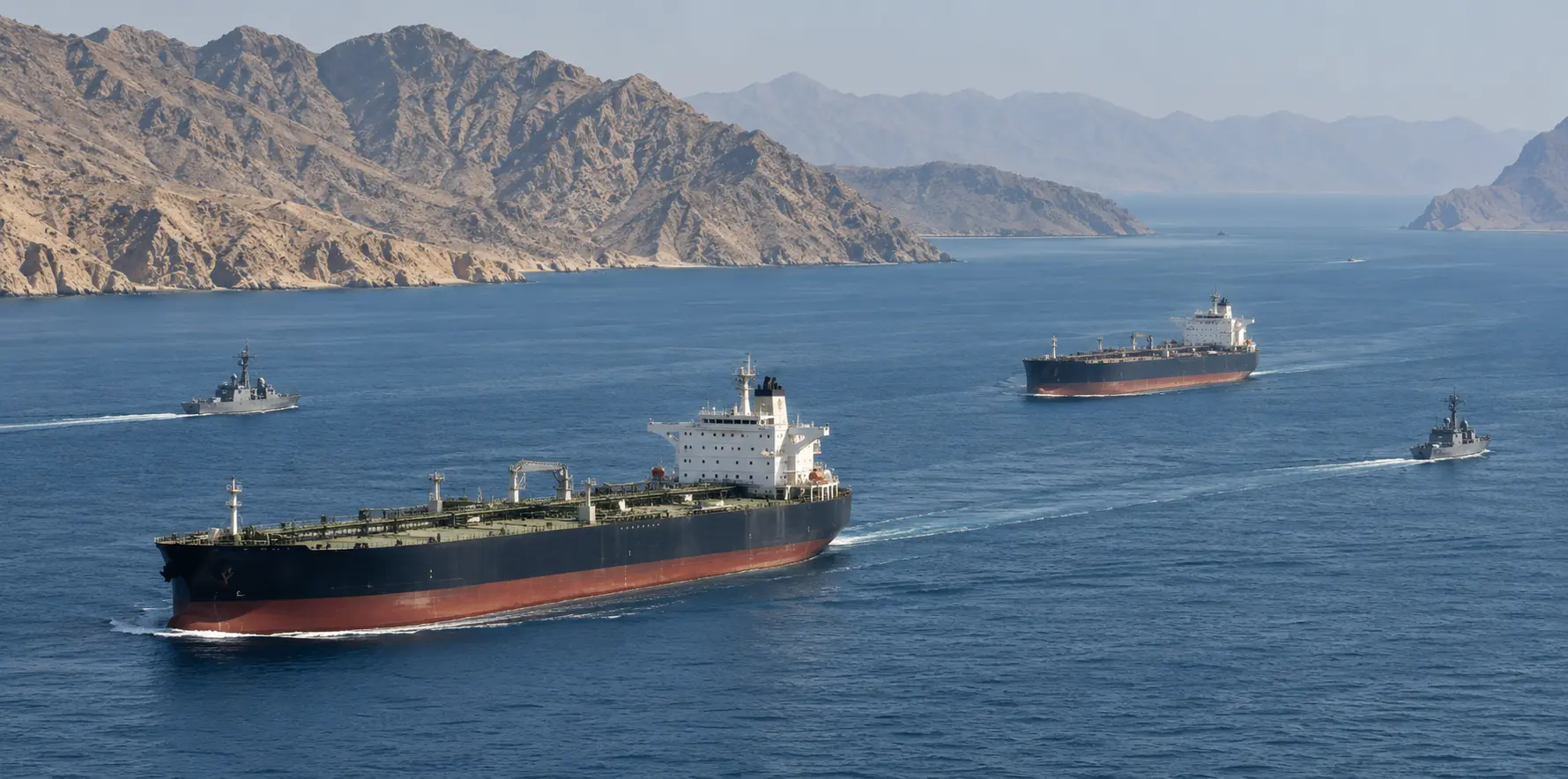
Fewer than 20 commodity vessels crossed the Strait of Hormuz over the weekend, according to shipping data cited by Reuters. Preliminary Kpler figures showed only four vessels crossing on Sunday and 13 on Saturday, although the totals could change because some ships reportedly switched off their transponders while navigating the waterway.
The numbers underline how far shipping activity remains from normal. UK Maritime Trade Operations also reported single-digit commercial traffic in both directions over the previous 48 hours, alongside Iranian surveillance and other activity involving merchant vessels.
The disruption matters far beyond the Gulf. Before the current conflict, approximately one-fifth of global oil supplies passed through Hormuz, making sustained restrictions a major concern for energy markets, shipping companies and economies dependent on Gulf oil and gas.Iran is now signalling that vessels entering the strategic waterway will face increasingly strict rules.
The Iranian Persian Gulf Strait Authority warned that ships violating Tehran’s navigation arrangements could face penalties ranging from fines and restrictions on future voyages to seizure or confiscation. It also warned companies and cargo owners against cooperating with vessels Iran considers non-compliant.
At the same time, Iran’s parliament is moving toward introducing charges for some vessels passing through Hormuz. A parliamentary commission has approved a draft provision covering fees for maritime, environmental, insurance, safety, fuelling and other services provided by Tehran. The measure remains part of proposed legislation rather than a fully implemented universal transit-fee system.The shipping pressure is unfolding alongside another major escalation from Washington.
US Treasury Secretary Scott Bessent is expected to announce a new sanctions package against Iran on Monday after promising what he described as the “toughest sanctions in history.” President Donald Trump has separately threatened economic consequences for countries continuing to trade with Tehran.
Energy markets are already responding to the uncertainty. Brent crude fell $1.22 to $93.17 a barrel early Monday as investors took profits ahead of the expected US sanctions announcement. Despite Monday’s decline, both Brent and West Texas Intermediate had gained more than 5% during the previous week as stalled US-Iran diplomacy fuelled concerns about Middle Eastern supplies.Yet diplomacy has not disappeared.
Oman’s Foreign Minister Sayyid Badr Albusaidi is expected to travel to Tehran on Tuesday for further discussions between Iran and Oman concerning the Strait of Hormuz. Pakistan is also involved in regional diplomatic activity, with Iran’s foreign ministry saying Pakistan’s Chief of Defence Forces and Army Chief Field Marshal Asim Munir is expected to visit Tehran on Monday.
The simultaneous pressure and diplomacy capture the uncertainty surrounding the crisis. Iran is asserting greater control over one of the world’s most important shipping corridors while Washington is preparing to intensify economic pressure. Regional states, meanwhile, are attempting to keep negotiations alive.
For global markets, Hormuz remains the critical pressure point. Even without a new military escalation, prolonged restrictions can raise freight and insurance costs, disrupt oil supplies and keep energy markets volatile.
The situation also requires careful framing. The Strait of Hormuz has not returned to normal commercial traffic, and current diplomatic contacts should not be described as a final agreement to reopen the waterway.
For now, shipping remains heavily constrained, Iran is strengthening its enforcement posture and Washington’s next economic move could determine whether the crisis moves closer to negotiations or enters another period of escalation.