






Pakistan’s federal government has proposed major tax reductions for electric vehicles under its new Automotive and Auto Parts Manufacturing Policy 2026-31.
The draft policy includes lower sales taxes, reduced import duties and easier vehicle financing. It also aims to make cars more affordable, support local manufacturing and increase automotive exports. Prime Minister Shehbaz Sharif approved the draft on Tuesday, October 20.
However, the policy is not yet final. The government will first seek approval from the International Monetary Fund (IMF), followed by federal cabinet endorsement and the required legislation.
Government Rejects IMF’s Proposed 18% EV Tax
The government has rejected the IMF’s proposal to impose an 18% sales tax on electric vehicles.
Instead, the draft introduces different tax rates for three categories of New Energy Vehicles.
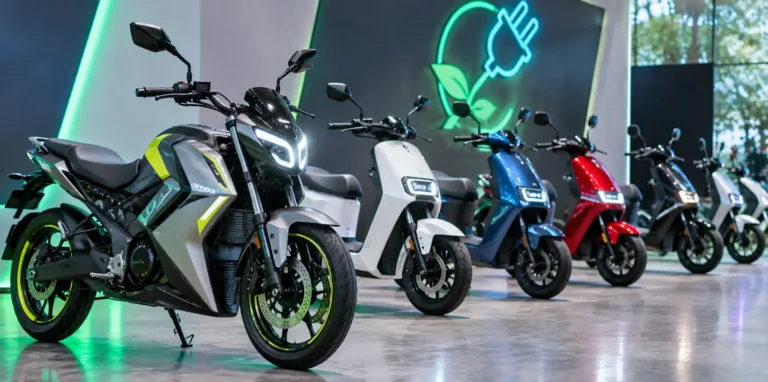
Battery Electric Vehicles (BEVs) would face a one percent sales tax. Range-Extended Electric Vehicles (REEVs) would be taxed at 6%, while Plug-in Hybrid Electric Vehicles (PHEVs) would face a 9% sales tax. These rates would apply to both imported and locally assembled vehicles.
Meanwhile, conventional petrol and diesel vehicles would continue facing the same tax treatment as regular Hybrid Electric Vehicles (HEVs).
Import Duties on Electric Cars Could Fall
The government also plans to reduce customs duties on imported electric vehicles.
For electric cars valued at up to $75,000, customs duty would initially fall from 50% to 25%. The rate would then gradually decrease to 15% by the financial year 2030-31. Imported electric vehicles priced below $15,000 would receive a 5% tariff for the first two years. Meanwhile, selected EV components unavailable in Pakistan would face a 1% import tariff when brought into the country as Completely Knocked-Down (CKD) kits.
The government hopes these measures will make electric vehicles more affordable and encourage local production.
New Auto Policy Could Reduce Car Prices
The draft policy also includes projected price reductions for several popular vehicles.
According to government estimates, the Suzuki Alto could become cheaper, with its price falling from Rs 3.2 million to Rs 2.845 million. The Wuling Bingo electric vehicle could see a larger reduction, dropping from Rs 4 million to Rs 2.7 million. The Toyota Yaris 1,496cc could fall from Rs 6 million to Rs 5.3 million. Similarly, the Kia Sportage could decrease from Rs 12.2 million to Rs 11.1 million. The Haval all-wheel-drive plug-in hybrid could also become cheaper, falling from Rs 12.9 million to Rs 11.1 million.
However, not every vehicle would benefit.
The Toyota Fortuner could become more expensive, with its price increasing from Rs 20.5 million to Rs 21.7 million because of additional levies on conventional vehicles. These figures are government projections. Actual prices will depend on the final policy and manufacturers’ pricing decisions.
Vehicle Financing Limit Could Rise to Rs 10 Million
The government also wants to make electric vehicles easier to purchase through bank financing.
Under the proposal, the financing limit for New Energy Vehicles would increase from Rs 3 million to Rs 10 million. The maximum repayment period would also rise from three years to five years.
These changes could make monthly payments more manageable for buyers who cannot afford to purchase vehicles outright.
However, affordability will still depend on bank interest rates, eligibility requirements and vehicle prices.
Pakistan Targets $6 Billion in Automotive Exports
The policy aims to increase automotive exports to approximately $6.01 billion over 5 years.
This target includes both vehicles and auto parts. Manufacturers could receive incentives equal to 5% of eligible export value. An additional 10% incentive would apply to incremental exports.
However, companies failing to meet mandatory export targets could face penalties ranging from 1 to 3% of their annual production value.
Manufacturers missing targets for 2 consecutive years could also lose their manufacturing certificates.
New Levy Could Generate Rs 232 Billion
The government has proposed an Automotive Development Levy ranging from 2 to 10% on eligible conventional vehicles. Officials expect the levy to generate approximately Rs 232 billion over five years.
The money would support export incentives, research, development and technology improvements for local automotive suppliers.
The government hopes these measures will strengthen Pakistan’s manufacturing industry and reduce dependence on imported technology.
Local Auto Parts Manufacturers Raise Concerns
Despite the proposed benefits, some local manufacturers remain concerned about reduced import duties.
Pakistan Association of Automotive Parts and Accessories Manufacturers Chairman Abdul Rehman Aizaz warned that cheaper imports could create difficulties for domestic suppliers. He argued that local manufacturers might struggle to compete with imported vehicles and components.
The concerns come as Pakistan attempts to encourage electric mobility while protecting existing investments and manufacturing jobs.
Final Approval Still Pending
The proposed Auto Policy 2026-31 could bring significant changes to Pakistan’s automotive market.
Lower EV taxes, reduced customs duties and expanded financing could make electric vehicles more accessible to consumers. However, the policy still requires IMF approval, cabinet endorsement and parliamentary legislation.
Until those steps are completed, the proposed tax rates and vehicle price reductions remain subject to change.
The policy’s long-term impact will depend on how effectively Pakistan balances affordable vehicles, local manufacturing, charging infrastructure and export growth.