








The United States and Iran have exchanged a new wave of attacks across the Gulf and wider Middle East, ending weeks of relative restraint and raising fresh fears that the six-month conflict could again disrupt energy supplies and regional security.
US Central Command said American forces completed strikes against Iranian military targets on September 1, including Islamic Revolutionary Guard Corps air-defence sites, radar systems, maritime assets, mine-laying capabilities and communications facilities. Washington said the operation followed attempted Iranian attacks on commercial shipping in the Strait of Hormuz and US personnel.
Iran responded with attacks of its own. The IRGC said on Wednesday that it had targeted US military assets in Kuwait, Bahrain, Jordan and Erbil in Iraq. The extent and impact of all the claimed attacks were not immediately independently confirmed.
The exchange represents one of the sharpest escalations in recent weeks. Hostilities had eased after both sides largely withheld direct fire, even as economic pressure, shipping restrictions and diplomatic negotiations continued. That fragile lull now appears to have broken down.
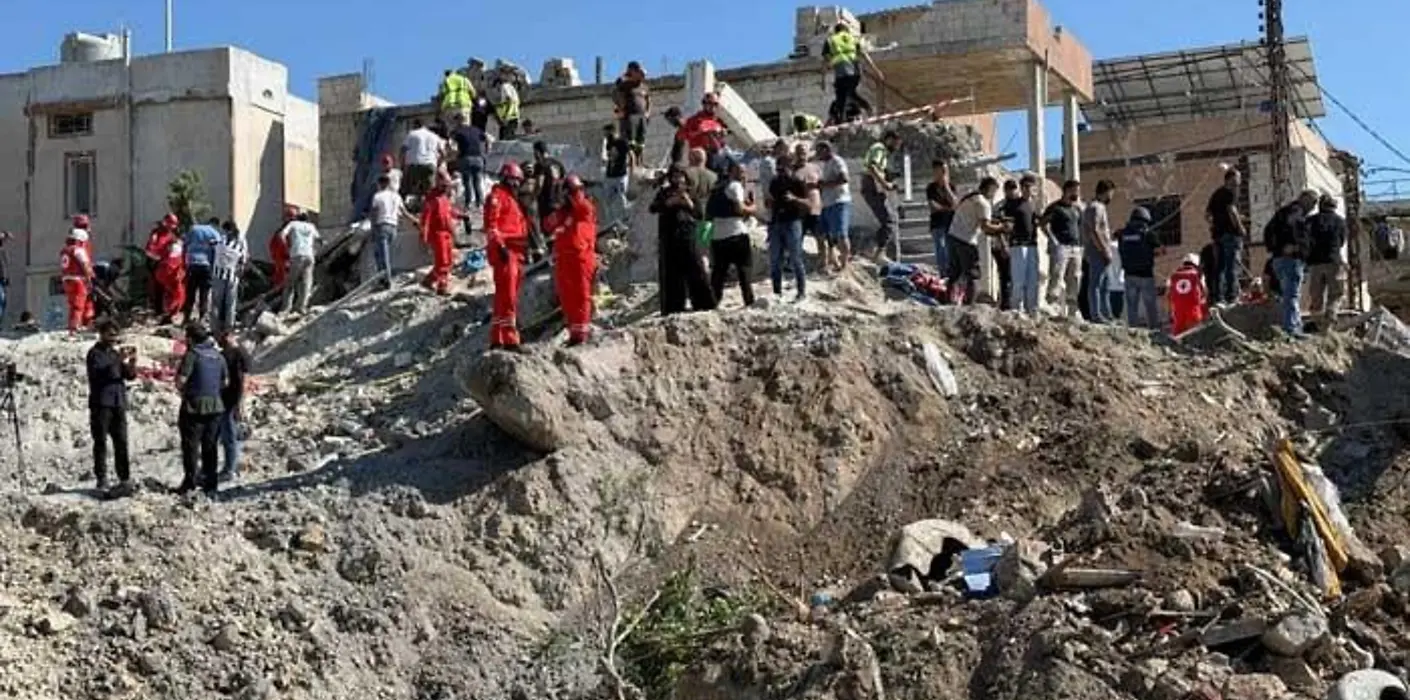
Civilian casualties have added another layer of tension. Iranian state media reported that US strikes had killed 11 people in Iran. Seven deaths were reported following strikes in Khuzestan, while the Iranian Red Crescent separately said four people, including a child, were killed and more than 50 wounded when a strike hit a wedding gathering in southern Sirik county.
Iran has vowed to respond to the alleged wedding strike, further increasing the possibility of retaliatory attacks.
President Donald Trump, meanwhile, indicated that Washington was not seeking to force Tehran immediately back to negotiations. Trump said the US was “not trying” to push Iran to the bargaining table and that he preferred Washington’s current position.
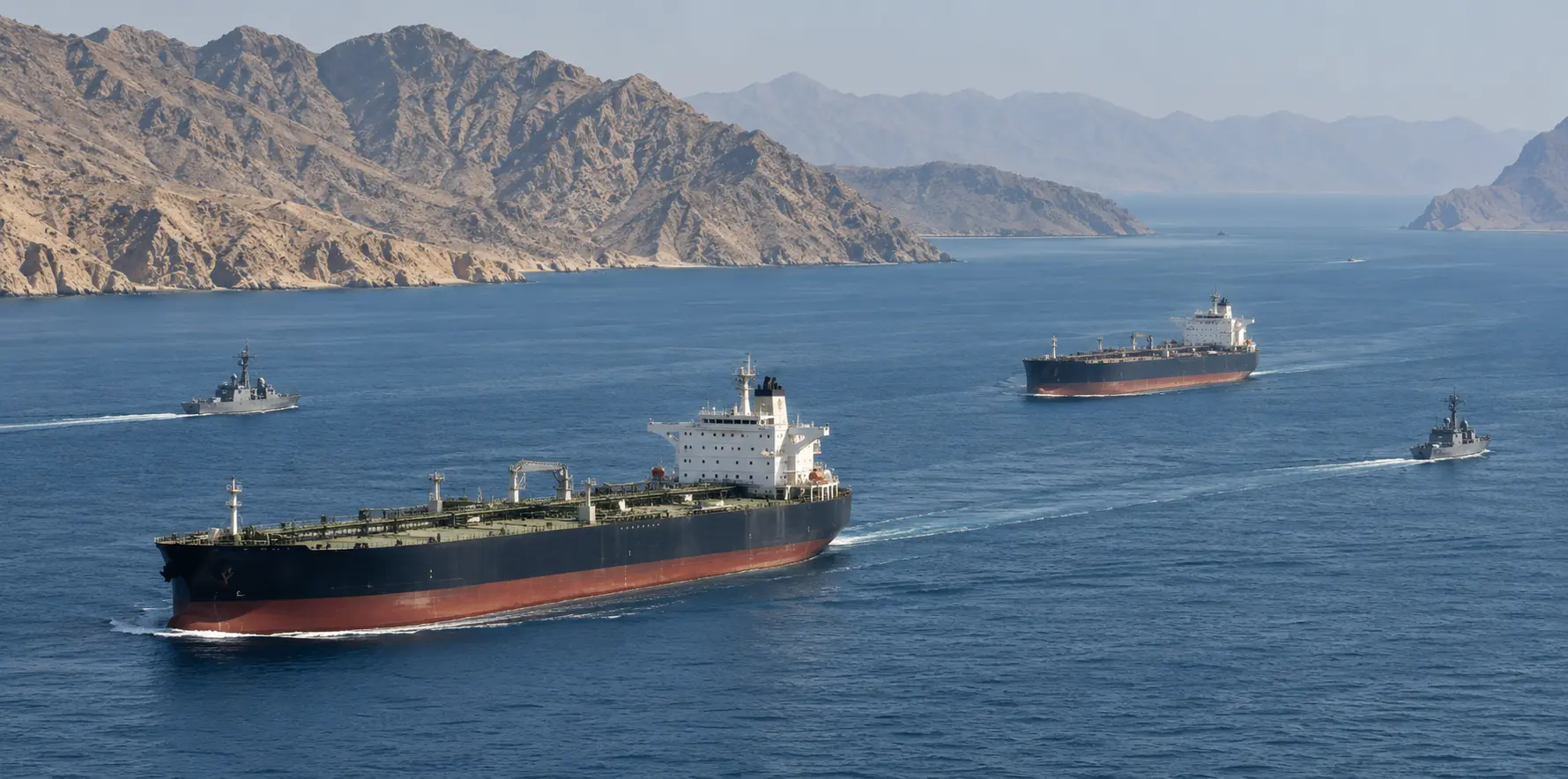
The Strait of Hormuz remains at the centre of both the military confrontation and its economic consequences.
US Energy Secretary Chris Wright said around 17 million barrels of crude oil crossed Hormuz on Monday, roughly comparable with the waterway’s normal daily oil volumes before the conflict. The figure represented a major recovery in crude flows after months of disruption.
However, that should not be interpreted as a full return to normal shipping.
Preliminary Kpler data showed only four commodity vessels transited Hormuz on Tuesday, down from 10 on Monday and well below the recent 10-day average of around 13 vessels. The numbers can change because some ships turn off their transponders while travelling through the area.
The distinction is important: oil volumes can rise sharply because of a small number of large tankers even while overall vessel traffic remains restricted.
Global policymakers are increasingly concerned about the economic consequences. G20 finance leaders called for “free, safe and predictable” navigation through Hormuz, although China objected to including the language in the group’s official communique. The disagreement resulted in the wording appearing in the chair’s statement rather than a consensus document.
Energy markets have already responded to the renewed confrontation.
Brent crude climbed $4.16, or 4.6%, to settle at $94.65 per barrel on Tuesday. US West Texas Intermediate gained $4.46, or 5.2%, to $90.22, with both benchmarks reaching five-week highs as traders assessed the possibility of renewed Middle Eastern supply disruption.
The latest escalation leaves diplomacy in an increasingly difficult position. Iran had said it would reciprocate if Washington honoured commitments under an interim arrangement, but the renewed strikes have again shifted attention from negotiations toward military retaliation.
For the wider world, Hormuz remains the critical pressure point. Monday’s crude volumes show that substantial quantities of oil can still pass through the waterway, but Tuesday’s vessel data demonstrates that commercial navigation has not returned to normal.
With Iranian attacks reportedly spreading across several countries hosting US assets and Washington continuing strikes against Iranian military capabilities, the risk is no longer confined to Iran itself.
The immediate question is whether the latest exchange remains limited or develops into another sustained phase of fighting. For energy markets, Gulf governments and commercial shipping, the answer could determine whether the recent recovery through Hormuz continues or is reversed once again.