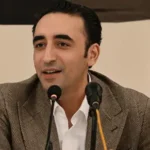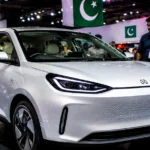






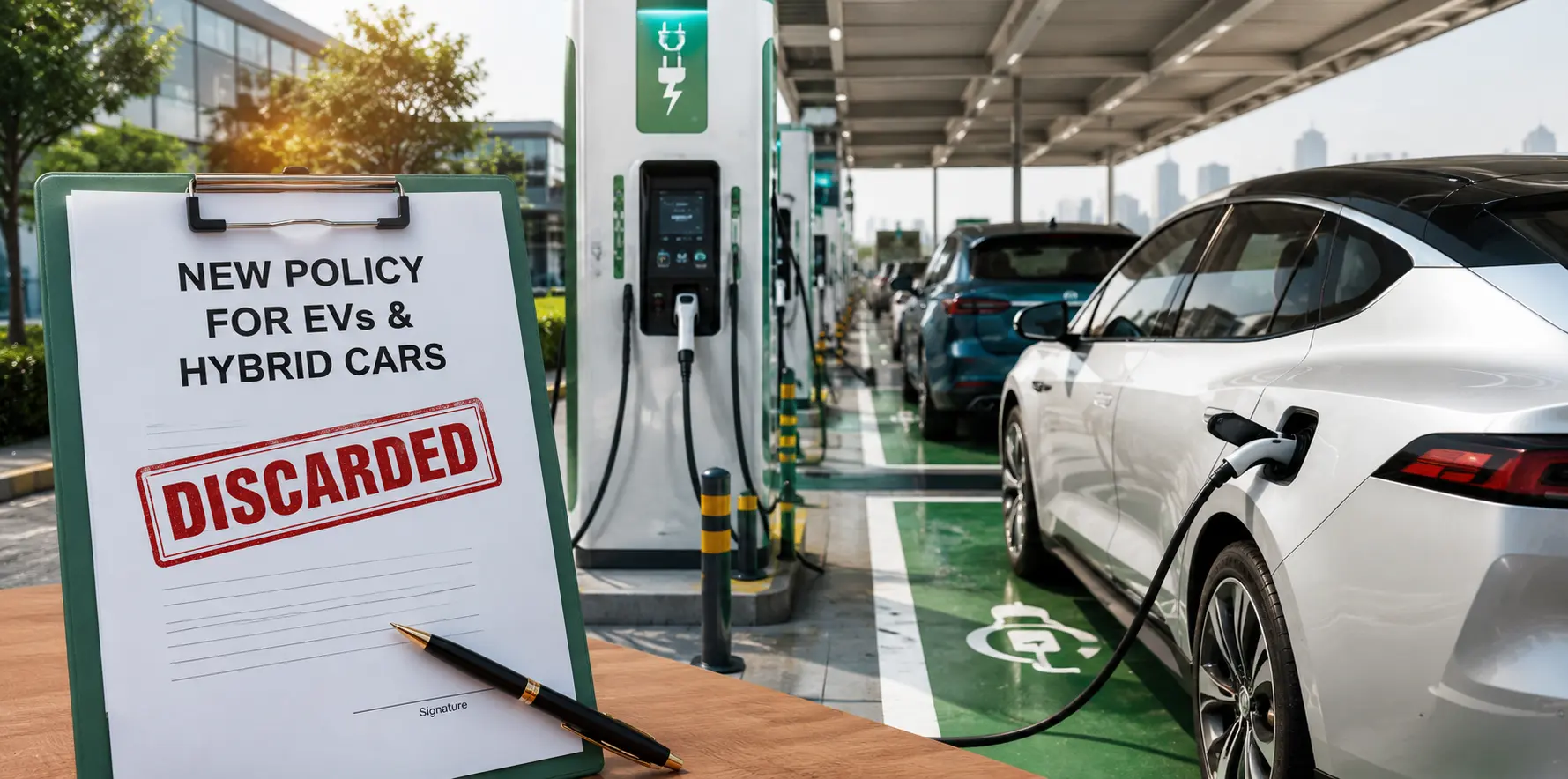

The federal government has withdrawn its proposed Auto Industry Development Policy 2026-31 following strong objections from local automakers and parts manufacturers. The policy, which aimed to accelerate the adoption of electric vehicles (EVs) and hybrid vehicles, will now be revised under the supervision of Deputy Prime Minister Ishaq Dar. The goal is to better balance clean transportation objectives with the interests of Pakistan’s domestic automotive industry.
The original draft offered significant incentives for EVs, including a 1% sales tax and exemptions from several other taxes and duties. The government had hoped these measures would promote electric mobility, reduce Pakistan’s reliance on imported petroleum, and foster a local EV manufacturing industry.
However, local manufacturers argued that these incentives would make imported EVs more attractive than locally assembled vehicles. This, they contended, would jeopardize billions of rupees in investment, thousands of manufacturing jobs, and local auto parts suppliers. Industry representatives also stated that Pakistan is not yet prepared for a rapid shift to electric mobility due to limited charging infrastructure and low localization of EV production.
The proposed policy had already experienced delays amid reports that the International Monetary Fund (IMF) opposed the planned tax concessions. The IMF reportedly favored applying the standard 18% General Sales Tax (GST) to EVs and hybrid vehicles, recommending that any government support be provided through direct subsidies rather than tax exemptions.
The withdrawal of the new policy follows the expiration of the Auto Industry Development and Export Policy 2021-26 on June 30. Consequently, tax concessions for hybrid vehicles ended on July 1, increasing the sales tax on many hybrid and plug-in hybrid vehicles from 8.5% to 25%. These higher taxes led to sharp price increases, with some hybrid models becoming over Rs1.3 million more expensive. Several manufacturers also suspended invoicing and delayed vehicle deliveries due to uncertainty regarding future taxes and incentives.
The Pakistan Association of Automotive Parts & Accessories Manufacturers (PAAPAM) has urged the government to adopt a gradual transition toward electric mobility. The association has called for greater localization of vehicle production, technology transfer, and expansion of Pakistan’s EV charging network before introducing aggressive incentives for electric vehicles. It has also proposed an interim 18% GST on hybrid vehicles until a revised policy is finalized.
The government is now expected to prepare a new Auto Policy 2026-31 that supports cleaner transportation while safeguarding local manufacturing, employment, and investment. Until the revised framework is announced, uncertainty is likely to persist regarding vehicle prices, taxation, deliveries, and future incentives, leaving both consumers and the automotive industry awaiting greater policy clarity.